Pakistan, China eye gas, mining projects
Updated 32 minutes ago

Delegation seeks maize, soybean and alfalfa as it expands global operations; explores JVs
ISLAMABAD
A Qatari delegation from Baladna Group has identified the country as a potential strategic supplier of animal feed for its expanding international operations, expressing interest in sourcing maize, soybean, alfalfa and other forage crops to diversify its global supply chains.
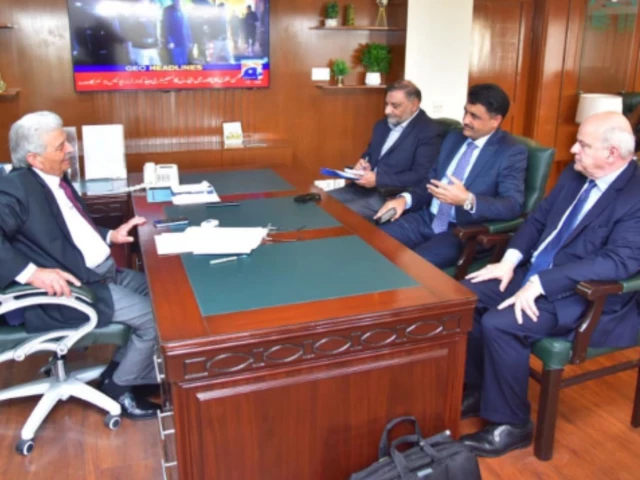
Federal Minister for National Food Security and Research Rana Tanveer Hussain met the delegation to explore opportunities for expanding bilateral agricultural trade and joint ventures in livestock development, dairy production and animal feed, a statement said on Wednesday. The minister noted that agriculture contributes approximately 24% to gross domestic product (GDP), with livestock accounting for over 60% of the agricultural sector.
Hussain highlighted surplus maize production through hybrid seed technology, geographical proximity to Middle Eastern markets and competitive production potential. He proposed engaging the private sector to develop commercially viable partnerships, positioning the country as a potential animal feed supply hub for the Middle East. He also proposed expanding cooperation through joint ventures in integrated dairy and livestock farming, modern slaughterhouses, meat processing, milk processing and packaging, and production of cheese, milk powder and other value-added dairy products.
Baladna highlighted its success in achieving dairy self-sufficiency in Qatar through advanced technology, improved genetics and professional farm management. The delegation briefed the minister on its $5.4 billion integrated dairy project in Algeria, aimed at meeting 50% of the country's milk powder requirements. The discussion also focused on emerging opportunities arising from climate change, water scarcity and growing environmental pressures on traditional agricultural and dairy-exporting countries. The delegation highlighted the potential to produce competitively priced animal feed and dairy products to meet rising demand across Asian and Middle Eastern markets.
The minister further emphasised the need to increase rice exports to Qatar, highlighting high-quality rice, surplus production and competitive pricing. The meeting underscored the potential for transforming agricultural cooperation into a long-term commercial partnership, promoting foreign investment, export diversification, technological advancement and sustainable food security.










This material may not be published, broadcast, rewritten, redistributed or derived from. Unless otherwise stated, all content is copyrighted © 2026 The Express Tribune.






COMMENTS
Comments are moderated and generally will be posted if they are on-topic and not abusive.
For more information, please see our Comments FAQ