Man kills daughters
Updated 1 hour ago

Residents advised to regularly wash leaves, take care of plants
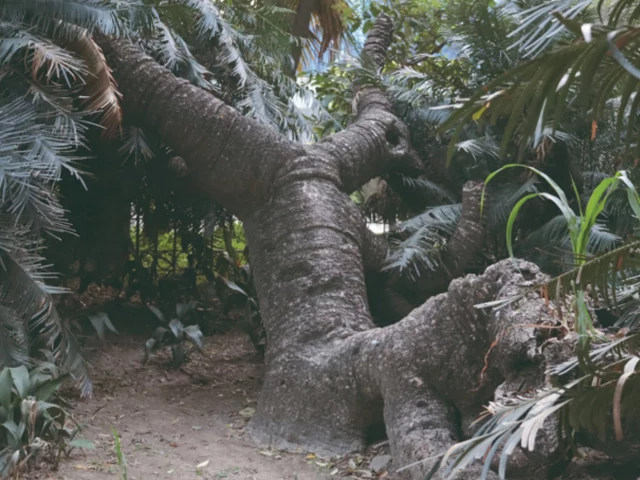
Rising air pollution in Lahore is posing a growing threat not only to human health but also to the city's trees and plants, as dust, fine particulate matter and toxic gases affect leaves and disrupt essential biological processes, slowing plants' growth and weakening them.
Experts say prolonged exposure to pollution can cause leaves to turn yellow, dry out and fall prematurely. During winter, when smog, dust and fine pollutants increase in the city's atmosphere, particles accumulate on leaf surfaces, affecting their ability to absorb sunlight and carry out photosynthesis.
According to Bagh-e-Jinnah Project Director Jaleel Ahmed, dust, air pollutants and toxic chemical particles can block the pores on leaves, disrupting gas exchange and photosynthesis. As a result, plants produce less food, affecting their growth and development.
He said polluted gases, including sulphur dioxide, nitrogen oxides and ground-level ozone, could also damage plant cells and weaken vegetation.
Regular care is necessary to minimise the impact of pollution on trees and plants.
The Parks and Horticulture Authority (PHA) carries out water-spraying in different parts of the city to remove dust and pollutants accumulated on leaves.
The official said rainfall naturally cleaned the leaves, but the water sprinkling became necessary during periods without rain.
He also advised residents to regularly wash the leaves of plants in home and rooftop gardens to remove dust.
Several research studies have highlighted the impact of air pollution on Lahore's vegetation.
A study last year by Government College University Lahore botany department researchers examined plants growing along seven major roads in the city.
The study found that the accumulation of pollutants on leaves affected photosynthesis, leaf pores and other biological functions.
The researchers also recorded differences in the ability of various plant species to tolerate air pollution.
Similarly, a study in 2024 by researchers from the University of Agriculture Faisalabad analysed tree leaves collected from four locations in Lahore. The findings showed higher concentrations of heavy metals, including lead, cadmium and zinc, in trees growing near commercial areas and busy roads.











This material may not be published, broadcast, rewritten, redistributed or derived from. Unless otherwise stated, all content is copyrighted © 2026 The Express Tribune.








COMMENTS
Comments are moderated and generally will be posted if they are on-topic and not abusive.
For more information, please see our Comments FAQ