Rs300b earmarked for short-term export finance
Updated 21 minutes ago

FinMin emphasises funds must reach wider business segment, especially SMEs
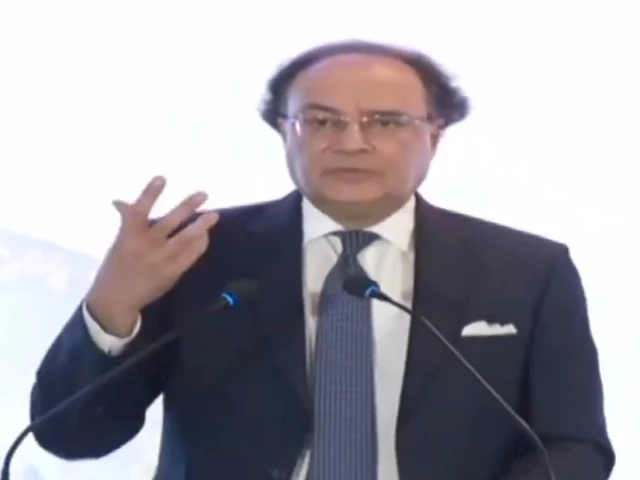
Federal Minister for Finance Muhammad Aurangzeb has emphasised that financing must reach a wider segment of businesses, particularly small and export-oriented enterprises, in line with the vision of strengthening the small and medium enterprise (SME) sector and advancing export-led growth.
He chaired a meeting to discuss the ongoing efforts to expand financing opportunities for SMEs, with a particular focus on the SME Connect Portal and initiatives to enhance access to finance for small-scale exporters. Already, the Exim Bank has allocated Rs300 billion under the short-term Export Finance Scheme for SMEs.
The finance minister, while recognising the contribution of SMEs to economic activity, investment and employment generation, observed that the SME portal would help establish greater visibility over the financing process and enable systematic monitoring of banks' performance against prescribed timelines. He highlighted the importance of comprehensive reporting on the application status and the response of banks to support effective oversight.
The meeting discussed the portal as an important first step towards improving transparency and accountability in SME financing, while recognising that banks would continue to process applications through their respective systems and lending policies. Aurangzeb also stressed the need for giving access to SMEs with limited digital and financial literacy, including through bank branches, and called for further improvements towards a more integrated, end-to-end digital financing experience.
The finance minister sought sustained coordination among relevant institutions to strengthen monitoring, facilitate timely credit decisions and remove the constraints faced by smaller businesses. He underscored that these efforts should translate into improved access to finance, greater SME participation in exports, increased private-sector activity and export-led growth.
On the occasion, the State Bank of Pakistan (SBP) gave a presentation on the progress of the SME Connect Portal, launched on November 1, 2026, highlighting its role in providing access to financing and improving transparency in the application process. The portal provides a central platform for SMEs to register their business profiles, submit funding requirements and track the status of their requests. It also enables the monitoring of banks' response and processing timelines.
The Export-Import Bank of Pakistan briefed participants on the export financing initiatives, where it was highlighted that an allocation of Rs300 billion under the short-term Export Finance Scheme had been made exclusively for SMEs, providing dedicated financing support to meet their working capital requirements and prop up exports. The discussion also covered measures to improve SME access to long-term financing and promote investment in export-oriented projects. Greater financing opportunities were considered important for business expansion, investment and export activities, with implementation to be monitored to assess progress and uptake.
Meeting with HBL delegation
Muhammad Aurangzeb met a delegation of Habib Bank Limited (HBL), led by its President and CEO Muhammad Nassir Salim, to discuss the banking sector's role in economic growth, mobilising investment and expanding lending across priority sectors.
The minister appreciated HBL's contribution to the development of banking services and recognised the importance of a strong banking sector for facilitating business transactions and financial inclusion. He noted that banks had an important role in economic activity by providing businesses and individuals with access to a range of financial services. Aurangzeb highlighted the importance of priority-sector lending and expanding access to finance for SMEs, agriculture, housing and the Pakistan Accelerated Vehicle Electrification (PAVE) Scheme. He explored the role of banks in mobilising financing towards productive sectors and broadening financial inclusion.
The finance minister called for developing appropriate financing structures to support viable investment projects and encourage greater private-sector participation in areas requiring long-term capital.












This material may not be published, broadcast, rewritten, redistributed or derived from. Unless otherwise stated, all content is copyrighted © 2026 The Express Tribune.






COMMENTS
Comments are moderated and generally will be posted if they are on-topic and not abusive.
For more information, please see our Comments FAQ