Safe AI use in everyday lives urged
Updated 1 hour ago

Issuance up 113% as hybrid, short-term instruments widen market
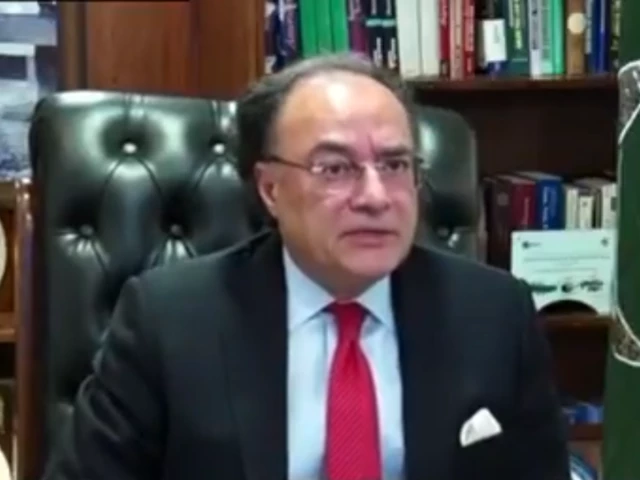
Federal Minister for Finance and Revenue Senator Muhammad Aurangzeb said sovereign Sukuk issuance had grown 113% year-on-year, with the outstanding stock reaching Rs10 trillion from about Rs2 trillion a year earlier, reflecting the country's expanding Islamic capital market and efforts to diversify government financing instruments.
He was addressing a ceremony marking the Rs10 trillion milestone, alongside the issuance of hybrid and short-term Sukuk, according to a statement issued on Thursday.
The five-year compound annual growth rate stood at around 22%, compared with nearly Rs761 billion in 2020.
He said the achievement was not merely about the volume of issuance but reflected sustained efforts to diversify the Sukuk market and introduce greater flexibility in sovereign financing instruments.
He said the introduction of hybrid government Sukuk, combining different Shariah-compliant structures, would give the government greater flexibility in using state-owned assets.
Short-term Sukuk, including instruments with three to six-month maturities, addressed a longstanding gap in the market and helped establish a comprehensive Shariah-compliant yield curve across different maturities, he said.
Foreign investment in Sukuk, however, remained below expectations despite positive inflows through Special Convertible Rupee Accounts into Treasury Bills and Pakistan Investment Bonds, and the minister called for active promotion of Sukuk among international investors and a widening of foreign portfolio investment into Shariah-compliant instruments.
Banks, primary dealers and brokers should work collectively towards that objective, he said.
He also sought wider retail participation through digital platforms, saying investment opportunities should not remain limited to institutional and large-scale investors, and that channels could enable individuals to participate with amounts as small as Rs5,000, making Islamic financial instruments more accessible to ordinary citizens and helping broaden the investor base.
Efforts were also under way to promote listed Sukuk, with the Ministry of Power having issued the first mandate to National Debt Company, which was preparing to launch its first listed Sukuk, he said.
He expressed hope the issuance would set a benchmark for other corporate entities, and said the Securities and Exchange Commission of Pakistan, State Bank of Pakistan, Pakistan Stock Exchange and Central Depository Company would need to collaborate in developing a comprehensive Sukuk market ecosystem.
The minister reaffirmed the government's commitment to developing a deep, diversified and liquid Islamic capital market through active cooperation among the government, private sector, regulators and financial institutions.
He said the principles of learning, reflection, mutual understanding and cooperation were equally important for Islamic finance and society, citing Quranic teachings and the place of Ijtihad in Islamic jurisprudence, and that emerging economic and financial challenges required sound scholarship and thoughtful application of the principles of the Quran and Sunnah, encouraging informed reasoning and respectful discussion among scholars and financial experts.
He urged stakeholders to focus on common ground rather than differences, expressing confidence that continued collaboration would further strengthen the Islamic capital market.
Cashless payments
Minister of State for Railways and Finance Bilal Azhar Kayani chaired a follow-up meeting on the Cashless Pakistan initiative at the Finance Division, bringing together senior public and private sector stakeholders to review decisions taken by the committee under the prime minister's chairmanship.
The discussion also covered the direction and targets for expanding digital payments, in light of progress under the prime minister's initiative.
From November 16, all payments for Asaan Assignment Accounts across the country will be made through the Raast digital system, with drawing and disbursing officers already trained.
Active merchants accepting digital payments have grown from 0.5 million to 2.03 million, attributable to measures taken under the initiative.
Raast payment QR codes have been placed on more than 45 million gas and electricity bills, all National Database and Registration Authority centres have been equipped to accept them, and the overall volume of digital payments has doubled in a year.
The discussion focused on refining the framework for the Raast QR merchant discount rate scheme and on ensuring that the high-level dashboard captures values as well as volumes of key digital payment indicators, along with the number of unique account users.
The minister of state also highlighted the importance of measuring outcome-based indicators of the economy.
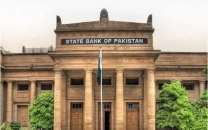
He directed the State Bank of Pakistan to prepare a working paper to process approval of the scheme so that promotion of Raast QR can continue, and to assess including macroeconomic indicators such as the ratio of payments processed through the Real Time Gross Settlement system to GDP.
He will meet the presidents and chief executives of banks in Karachi to discuss the initiative and the promotion of digital payments, so that all banks can play their part in this national initiative.
The meeting was attended by senior representatives of the Finance Division, the State Bank of Pakistan, the Ministry of Information Technology and Telecommunication and the registration authority, and by the president of Easypaisa Digital Bank, the chairman of JazzCash, the chief digital officer of Bank Alfalah and officials of JS Bank, Karandaaz Pakistan and other digital payments institutions.
He thanked participants and directed that coordination between public and private stakeholders be strengthened to achieve the initiative's targets. WITH ADDITIONAL INPUT FROM APP






This material may not be published, broadcast, rewritten, redistributed or derived from. Unless otherwise stated, all content is copyrighted © 2026 The Express Tribune.









COMMENTS
Comments are moderated and generally will be posted if they are on-topic and not abusive.
For more information, please see our Comments FAQ