COP31 opens amid climate crisis
Updated 33 minutes ago

COP31 opens amid climate crisis
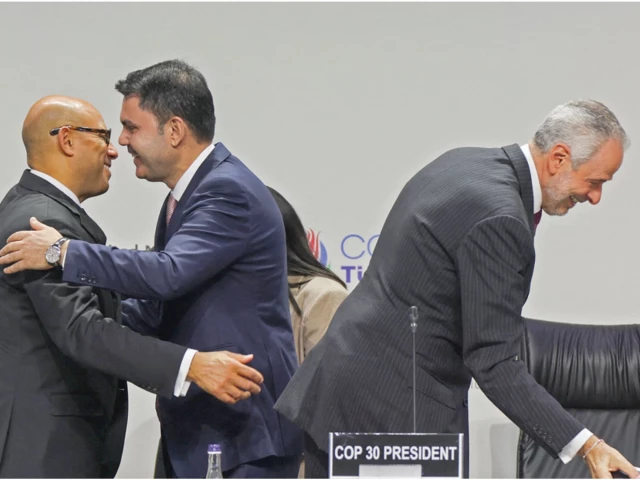
The 31st United Nations Climate Change Conference (COP31) opened in the Turkish Mediterranean city of Antalya on Monday, with world leaders facing mounting pressure to accelerate action against global warming amid worsening climate disasters, geopolitical tensions and persistent disagreements over climate finance.
The two-week summit, running from November 9 to 20, has brought together representatives from 196 countries and the European Union. A total of 102 leaders from 95 countries and seven international organisations are expected to participate, including 37 heads of state and 35 heads of government.
United Nations Secretary-General Antonio Guterres urged governments to move beyond declarations and take meaningful action, calling for faster emissions reductions, a just transition away from fossil fuels and financial support for countries most vulnerable to climate change.
The conference follows a year marked by devastating weather events, including severe heatwaves in Europe, wildfires in Indonesia and catastrophic flooding in Nepal. An exceptionally strong El Nino phenomenon is expected to intensify climate-related risks further into 2027.
The opening of COP31 was preceded by difficult negotiations over climate finance, with developing countries pressing for financial commitments to be included prominently in the official agenda. The dispute reflected longstanding divisions between wealthy industrialised nations and developing countries seeking assistance to address climate impacts.
Under international climate agreements, developed countries, historically responsible for the bulk of greenhouse gas emissions, are expected to provide financial assistance to poorer nations for adaptation measures and the transition towards cleaner energy.
The United Nations estimates that developing countries will require $305 billion annually by 2035 for climate adaptation, almost 10 times the amount they currently receive from wealthy nations. However, a senior European Union official cautioned that there is little political willingness to announce additional funding commitments at the summit.
Tuvalu's Climate Minister Maina Talia warned that exceeding the 1.5-degree threshold posed an existential threat to vulnerable island nations. Marshall Islands climate envoy Tina Stege said the issue was not merely about temperature targets but the survival of communities and their homes.
Turkey is hosting the conference for the first time, with Environment Minister Murat Kurum serving as COP31 president, while Australia is leading the negotiations under an unusual arrangement reached to resolve a dispute over hosting responsibilities.
The two countries have described the gathering as an implementation COP, seeking to turn previous climate commitments into practical measures. Kurum said delays in climate action carried increasingly heavy costs, while Australian Climate Minister Chris Bowen joined him in presenting the partnership as a united effort.
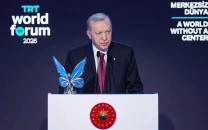
Turkish President Tayyip Erdogan said the summit should produce tangible results rather than further promises. Turkey has proposed a voluntary electrification pledge aimed at increasing electricity's share of global energy demand from around 20% currently to 35% by 2035.
The European Union has called for clean electrification, setting up a potential disagreement over the role of coal, oil and gas in the proposed transition. Countries had committed at COP28 in Dubai in 2023 to move away from fossil fuels, but negotiations over implementing that commitment have remained difficult.
The previous summit in Brazil ended without an explicit reference to fossil fuels in its final agreement after opposition from oil-producing countries. Brazilian President Luiz Inacio Lula da Silva is among the leaders expected to address COP31 later this week.
Geopolitical tensions have further complicated the climate agenda. The US-Israeli war with Iran and Russia's invasion of Ukraine have exposed the economic risks of dependence on imported fossil fuels, while disruptions to energy supplies have fuelled inflation.
Despite growing investment in renewable energy, several countries, including South Korea and India, have increased their reliance on coal. US President Donald Trump's administration has also encouraged greater domestic production of oil, gas and coal, while staying away from the climate negotiations for the second consecutive year. A US congressional delegation is nevertheless expected to attend.
UN officials also warned that the intensifying El Nino could worsen health risks, extreme weather and food insecurity. World Meteorological Organization Secretary-General Celeste Saulo said the phenomenon could increase heat-related illnesses, malaria and dengue outbreaks, while worsening air pollution through wildfires.
The WMO said global temperatures averaged approximately 1.47 degrees Celsius above pre-industrial levels between January and September 2026. Its assessment warned that El Nino could become the strongest on record by December and persist into early 2027.
The summit is expected to focus on climate finance, adaptation, emissions reduction and a just transition, although the absence of major new funding commitments and continuing divisions over fossil fuels are likely to test its ambition.












This material may not be published, broadcast, rewritten, redistributed or derived from. Unless otherwise stated, all content is copyrighted © 2026 The Express Tribune.






COMMENTS
Comments are moderated and generally will be posted if they are on-topic and not abusive.
For more information, please see our Comments FAQ