Public hospitals fail patients on basic facilities, hygiene
Updated 25 minutes ago

Around 90 per cent of hospitals lack covered waiting areas for patients’ attendants
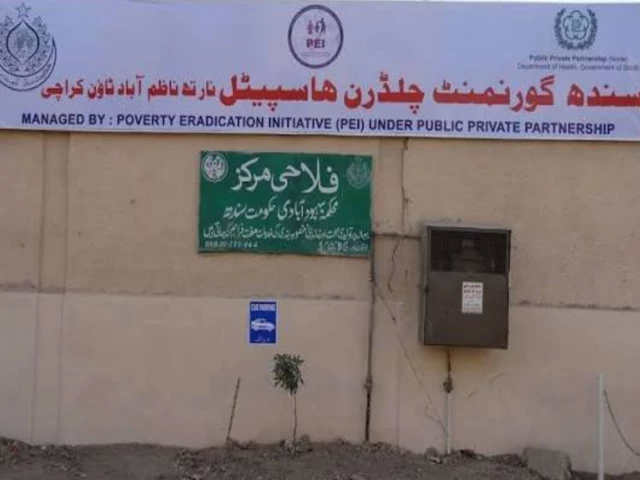
Patients at government hospitals across Karachi and other parts of Sindh face inadequate medical facilities, unsafe drinking water, filthy washrooms and poor sanitation. Overflowing sewers, foul odours and unclean wards compound their difficulties, while the absence of information desks and directional signs forces patients and attendants to navigate hospital premises without guidance.
District hospitals reportedly lack reverse osmosis (RO) water filtration plants, forcing patients to purchase drinking water from outside. Where filters are installed, they are often left uncleaned or unreplaced for years. Water storage tanks also reportedly lack proper maintenance. Around 90 per cent of hospitals lack covered waiting areas for patients’ attendants.
Despite substantial annual budget allocations from the Sindh Health Department, patients continue to face these problems. Hospital administrations have outsourced services, including cleaning and food provision, but complaints about hygiene and inadequate facilities persist. Patients also allege that influential officials use their connections to secure better treatment for relatives, while ordinary citizens struggle to obtain basic services.
Rizwana Khatoon, a resident of UP Mor in North Karachi, said she took her daughter, who had a high fever, to Sindh Government New Karachi Hospital, where doctors admitted her.
During her stay, she discovered that the hospital lacked adequate drinking water facilities, forcing attendants to purchase water from outside. She described the washrooms as filthy, with no proper provision of water, soap or handwash and several missing taps.
"Ward cleaning was limited to a cursory round once a day," she noted. Patients and attendants were distressed by the unhygienic conditions and foul odours, while bedbugs on hospital beds and small insects on the walls added to their discomfort.
Ghulam Shah, a patient at Sindh Government Saudabad Hospital, questioned the lack of basic facilities despite substantial government funding. He alleged that expenditure recorded for treatment, medicines and patient services did not translate into adequate facilities.
According to Shah, water tankers are brought to the hospital three times a week to replenish its storage tank, which has not been properly cleaned. Most patients and attendants therefore obtain drinking water from outside.
He said the hospital lacked an information desk, forcing patients to navigate the premises without guidance. Many also had to purchase medicines externally. The food provided to patients, he alleged, did not meet basic hygiene standards or their medical needs.
Shah also complained about the attitude of medical and administrative staff, alleging that patients were sometimes treated disrespectfully. He said district hospitals lacked adequate security at night, while treatment was becoming increasingly difficult and costly for poorer families.
Tariq Fareedi, a patient at Sindh Government Liaquatabad Hospital, also highlighted the shortage of safe drinking water. He urged hospital administrations to establish information desks, install prominent directional signs, ensure safe water supplies and regularly monitor cleaning arrangements.
Fareedi said elderly patients and people travelling from distant areas often struggled to understand hospital procedures, including where to obtain registration slips and how to reach the relevant doctor or ward. Without proper guidance, patients and attendants must repeatedly move between departments, wasting time and adding to the stress of seeking treatment.
The complaints raise questions about hospital management, infrastructure maintenance and the use of public healthcare funds. Ensuring safe drinking water, hygienic washrooms, regular sanitation, adequate security and accessible information desks would address some of the immediate problems facing patients. Effective monitoring and accountability are essential to ensure that public spending translates into better healthcare facilities.










This material may not be published, broadcast, rewritten, redistributed or derived from. Unless otherwise stated, all content is copyrighted © 2026 The Express Tribune.






COMMENTS
Comments are moderated and generally will be posted if they are on-topic and not abusive.
For more information, please see our Comments FAQ