SPI inflation accelerates past 12%
Updated 49 minutes ago

Jam Kamal tells COMCEC that collateral rules, fragmented regulation shut small firms out
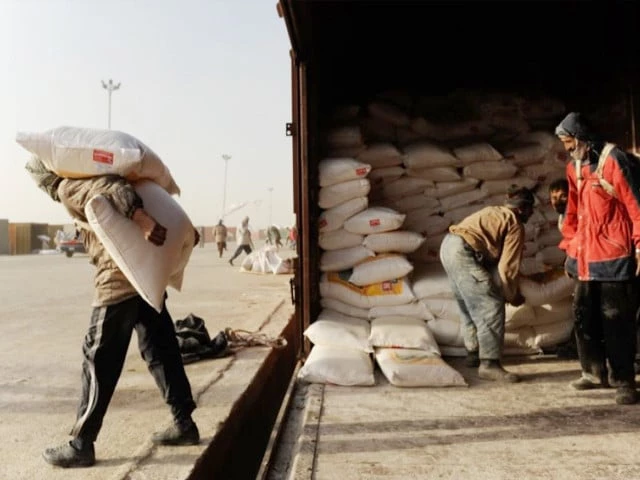
Micro, small and medium-sized enterprises across member states of the Organisation of Islamic Cooperation (OIC) remain unable to obtain affordable trade finance because of fragmented regulatory frameworks, high collateral requirements, transaction costs and lengthy administrative procedures, Federal Minister for Commerce Jam Kamal Khan told the closing session of the 42nd ministerial meeting of the Standing Committee for Economic and Commercial Cooperation (COMCEC) in Istanbul.
Speaking for OIC member states, he outlined five priority areas for cooperation to close the gap, beginning with harmonised national legal, regulatory and supervisory frameworks to facilitate cross-border transactions and improve access to financing.
The second is diversification of trade financing instruments, stronger export credit guarantee mechanisms and financial arrangements tailored to exporters, particularly micro, small and medium-sized enterprises (MSMEs) and technology-driven firms.
Third, the minister urged member states to promote Shariah-compliant trade financing through institutional capacity, risk-sharing arrangements, Islamic export credit insurance and closer cooperation among Islamic financial institutions.
Fourth, he called for faster digital transformation in trade and finance through integration of customs and banking systems, electronic trade documentation and single-window platforms, which he said could cut transaction costs and simplify cross-border trade.
Fifth, he sought targeted financing facilities, credit guarantees, financial literacy programmes and market linkages for MSMEs, particularly women- and youth-led enterprises.
He said implementing these measures within each state's legal framework could strengthen export capacity and lift intra-OIC trade.
The session's priority theme was developing effective trade financing tools for increasing exports in OIC member countries. The minister said affordable, diversified and sustainable financing was essential for export competitiveness and growth.
He said the deliberations identified intra-OIC trade, transport connectivity, sustainable tourism, agricultural productivity, food security, poverty alleviation and digital transformation as areas for collective action.
On agriculture, he sought cooperation in research, technology transfer, resilient food systems and investment in sustainable value chains to strengthen long-term food security.
He described the private sector as a central partner in investment, innovation, industrial development and employment, and encouraged greater interaction among business communities to unlock trade and joint ventures.
The minister called on COMCEC to support member states in converting recommendations into measurable outcomes through project support mechanisms, analytical work and institutional cooperation.
He said the session's success would be measured by implementation rather than the adoption of recommendations alone and urged members to pursue practical initiatives that delivered economic benefits.
Vice-President of the Republic of Türkiye Cevdet Y?lmaz chaired the session, and the minister acknowledged the COMCEC Coordination Office and OIC institutions for arranging it.
He expressed hope that the 43rd session would build on the progress achieved.












This material may not be published, broadcast, rewritten, redistributed or derived from. Unless otherwise stated, all content is copyrighted © 2026 The Express Tribune.






COMMENTS
Comments are moderated and generally will be posted if they are on-topic and not abusive.
For more information, please see our Comments FAQ