ACE probes scam in Suthra Punjab
Updated 1 hour ago

176-year-old queen sago palm at Lawrence Garden among world's most threatened
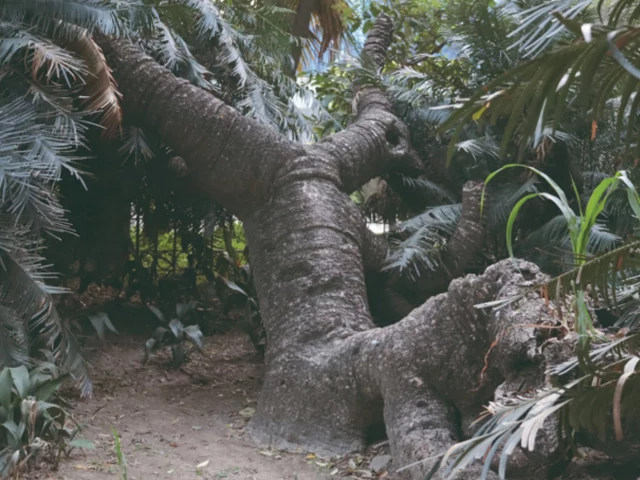
A 176-year-old queen sago palm, a member of a plant lineage older than the dinosaurs, is in full leaf at Lawrence Garden, a spokesperson for the Punjab Horticulture Authority (PHA) said.
The tree predates the historic garden, which was developed in the 1860s as a botanical and leisure ground. The spokesperson said the garden was modelled on London's Kew Gardens.
Queen sago palms are cycads, an ancient group of seed-bearing plants whose fossil record dates to the Permian period, about 280 million to 300 million years ago. The world's oldest potted plant, a cycad, has been at Kew Gardens since 1775.
Cycads became particularly widespread during the Mesozoic era, when dinosaurs dominated the Earth. Plant-eating dinosaurs, including long-necked sauropods, are believed to have fed on the foliage, cones, and nutrient-rich seeds of cycads.
Cycads are also known for their exceptionally slow growth and longevity. According to horticulture experts, sago palms require four to five hours of sunlight daily and relatively little water once established. Their slow-growing nature allows them to survive in a range of growing conditions, including relatively dry and poor soils.
Their structure has changed little over hundreds of millions of years, so they are commonly called 'living fossils'. However, their numbers have declined considerably, and about 60 per cent of assessed species are now threatened with extinction in their natural habitats, according to the International Union for Conservation of Nature (IUCN) Red List of Threatened Species, the global inventory of extinction risk.
The spokesperson said the PHA manages some of the world's oldest prehistoric trees. "The fact that the sago palm in Lahore is not only prehistoric but also belongs to a threatened variety makes it especially significant," he said.
The spokesperson said Lawrence Garden was regarded as one of Asia's largest botanical gardens, with around 150 varieties of trees, including 30 of palms. Its collection includes trees and plants introduced by the British from across the Indian Empire, as well as from Palestine, Syria, Austria and other parts of Europe, he added.








This material may not be published, broadcast, rewritten, redistributed or derived from. Unless otherwise stated, all content is copyrighted © 2026 The Express Tribune.















COMMENTS
Comments are moderated and generally will be posted if they are on-topic and not abusive.
For more information, please see our Comments FAQ