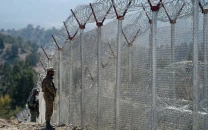
Pakistani forces respond to unprovoked firing from Afghan border posts: DC South Waziristan
Updated 56 minutes ago

Despite attracting thousands of visitors, STDC continues to incur losses, raising concerns over financial management

Despite Sindh’s rich cultural heritage and numerous tourist attractions, several resorts and hotels operated by the Sindh Tourism Development Corporation (STDC) are reportedly running at a loss, raising questions about whether these facilities are generating revenue for the provincial government or placing an additional burden on the public exchequer.
According to the Auditor General of Pakistan’s audit report for 2024-25, seven hotels and resorts managed by the STDC incurred total expenses of Rs42.1 million during the year, while their combined revenue stood at just Rs19.7 million. The resulting loss to the Sindh government amounted to Rs22.3 million.
Read: STDC holds second meeting in 23 years since establishment
The highest loss was recorded at the resorts located near Keenjhar Lake in Thatta district. According to the report, the facilities generated Rs9.073 million in revenue against expenses of Rs22 million, leaving a substantial gap between earnings and operating costs.
The disparity is particularly striking given the popularity of Keenjhar Lake as a recreational destination. An estimated 10,000 to 12,000 people visit the lake every week, the majority of them from Karachi. Despite this steady flow of visitors, the resorts have reportedly struggled to generate sufficient revenue to cover their expenses.
The audit report also identified losses at several other facilities managed by the corporation, including Rooplo Kolhi Resort, Marvi Rest House, Haleji Lake Resort, Baqar Lake Resort, Ranikot Resort and Lal Shahbaz Resort in Sehwan.
Other properties operated by the STDC include Sambar Inn Hotel in Larkana and a motel in Garhi Khuda Bakhsh. However, details of their annual expenses and revenues were not available in the report cited.
The findings have raised questions about the commercial performance of tourism facilities that are intended to serve visitors while also generating income for the provincial government. Although these properties operate on commercial lines, the audit figures suggest that their earnings have not been sufficient to meet operating costs.
However, the STDC has disputed the claim that its resorts and hotels are still operating at a loss.
Speaking to The Express Tribune, STDC Managing Director Syed Fayyaz Shah said the facilities had previously faced financial difficulties, but the situation had changed after the introduction of a computerised management system. He said room bookings were now handled online, helping increase the corporation’s revenue.
Shah did not, however, provide figures to substantiate the claim that the facilities were no longer running at a loss, leaving the corporation’s current financial position unclear.
Read More: Sindh suffers without a viable tourism policy
Sindh has considerable potential for tourism, with a wide range of historical, cultural and recreational destinations spread across the province. The performance of publicly managed resorts is therefore significant not only for the provincial exchequer but also for efforts to develop tourism and create employment.
The STDC was established in August 1991 and operates under the provincial tourism department. Following the 18th Constitutional Amendment in 2010, the management of several historical, cultural and tourist sites was transferred from the federal government to the provinces. The transfer also included properties associated with these sites, placing them under the Sindh government’s administration.
The corporation’s website states that it has around 100 registered tour operators working with it to promote tourism across the province. Yet the audit findings highlight a persistent question: why are publicly managed tourism facilities failing to generate enough revenue to cover their costs, despite the province’s tourism potential and the popularity of destinations such as Keenjhar Lake?
The absence of updated financial figures from the corporation makes it difficult to determine whether online booking and other administrative changes have improved profitability or whether the facilities continue to depend on public funds to meet their operating expenses.







This material may not be published, broadcast, rewritten, redistributed or derived from. Unless otherwise stated, all content is copyrighted © 2026 The Express Tribune.











COMMENTS
Comments are moderated and generally will be posted if they are on-topic and not abusive.
For more information, please see our Comments FAQ