'The Great Gatsby' gets crime drama adaptation
Updated 1 hour ago

Team effort by artists, others is promoting domestic projects abroad
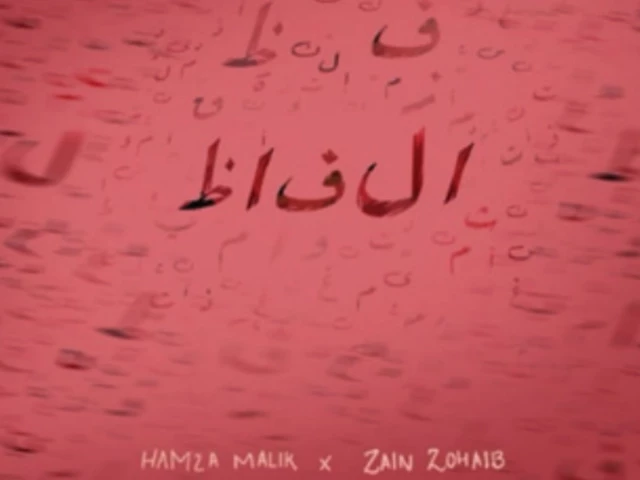
A Pakistani song reaching international music charts is no longer an isolated achievement. Behind some of these successes is a growing network of artists, producers and creative collaborators working to take local music beyond traditional markets.
The recent success of Alfaaz, performed by Hamza Malik and Zain Zohaib, offers an example of this changing landscape. Released under Giraffe Music, the song has topped Spotify's daily charts in Pakistan and India, reached No. 2 on the UK Official Asian Music Chart and climbed to No. 35 on Spotify's Global Daily Top 200.
It has also secured the second position on Billboard's India Songs chart for the week ending 31 October 2026, moving up from third place the previous week.
While the singers and their performance remain at the heart of the track's success, its international reach also draws attention to the wider creative network supporting Pakistani music.
For Giraffe, Alfaaz is not the first project to find an audience beyond Pakistan.
In 2025, Majboor, performed by Sheheryar Rehan and Zoha Waseem, gained popularity online before Belgian DJ and producer Lost Frequencies reimagined the track, giving it an international dimension.
Although originally released in 2025, the song gained further momentum in 2026, reaching No. 1 on Spotify's Pakistan and Global Viral charts, as well as the Pakistan Viral chart. It also reached No. 2 in India.
The two songs have followed different paths, but both demonstrate how digital platforms and international collaborations can help Pakistani music reach listeners in new markets.
Its work reflects a broader shift in how music is developed and promoted, where bringing artists, creative ideas and collaborators together can be as important as producing the song itself.












This material may not be published, broadcast, rewritten, redistributed or derived from. Unless otherwise stated, all content is copyrighted © 2026 The Express Tribune.






COMMENTS
Comments are moderated and generally will be posted if they are on-topic and not abusive.
For more information, please see our Comments FAQ