FCC warns executive over ignored orders
Updated 1 hour ago

Fuel price adjustment may rise two to three times from Dec to Feb
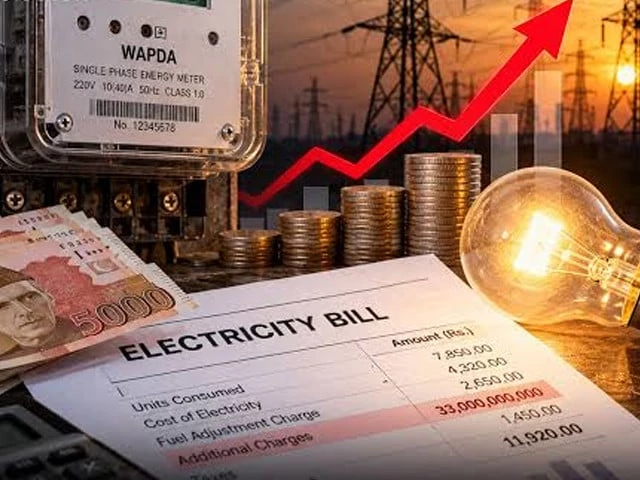
The Power Division on Friday warned that December, January and February were potentially the most difficult months for electricity consumers as higher fuel costs and seasonal constraints on power generation could bring an additional financial burden during the winter.
Fuel price adjustments (FPAs) could increase two to threefold between December and February as the rising international prices of liquefied natural gas (LNG), coal and other fuels push up the cost of electricity generation, Power Division sources said.
Consumers may consequently have to bear higher FPAs during the three-month period, while an increase in power load management is also expected.
The sources said global market prices of LNG and other fuels had climbed to high levels, adding to the cost of electricity production.
Hydropower generation is expected to decline during winter, potentially increasing the country's reliance on more expensive fuels to meet electricity demand. Limited availability of domestic gas is also likely to pose a major challenge in supplying gas to power plants, the sources added.
They warned that restricted domestic gas supplies during the winter could further affect electricity generation.
The Power Division has also indicated that power load management could increase from December to February.
Sources said two hours of load management had been carried out during previous months to keep the burden of higher electricity prices on consumers in check.
The country faces an energy crisis, aggravated since the start of a war between United States and Iran in February this year.
The conflict in the Persian Gulf has resulted in the closure of the Strait of Hormuz which is one of the major fuel supply route of the world. Pakistan generates hydro-electricity while it also relies on fuel-based energy solutions.










This material may not be published, broadcast, rewritten, redistributed or derived from. Unless otherwise stated, all content is copyrighted © 2026 The Express Tribune.







COMMENTS
Comments are moderated and generally will be posted if they are on-topic and not abusive.
For more information, please see our Comments FAQ