AI chatbots face scrutiny over failure to report criminal confessions
Updated 5 hours ago

With fare negotiations and AI-powered safety, inDrive is advancing affordability, transparency and choice in Pakistan

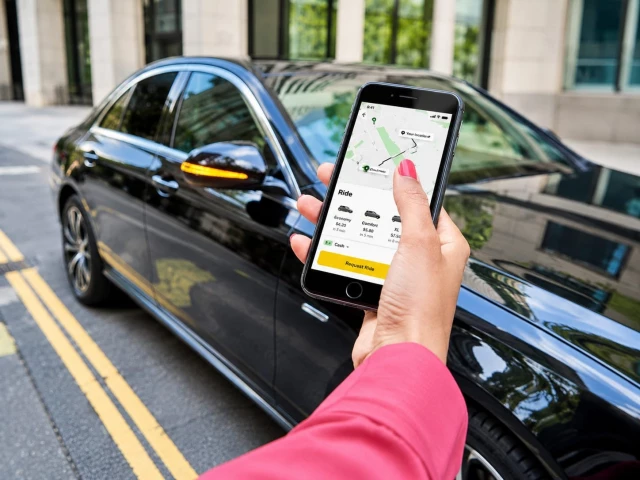
Pakistan’s ride-hailing market is evolving in 2026, with affordability, earning opportunities and safety shaping the experience for both passengers and drivers.
inDrive addresses these priorities through its peer-to-peer fare negotiation model, giving passengers and drivers greater control over pricing. The platform also uses AI-powered safety technologies designed to identify potential risks and support safer journeys.
Trusted by millions worldwide and ranked as the number-one ride-hailing app across app stores in Pakistan, inDrive combines pricing flexibility with technology-driven safety measures.
A Bidding Model That Gives Users More Control
Unlike platforms where fares are determined by automated pricing systems, inDrive allows passengers and drivers to negotiate directly. A recommended fare, calculated using live market data and updated every 30 minutes, provides a starting point.
Passengers can accept, adjust or decline the price, while drivers can accept, counter the offer or decline without penalties. Drivers can also view the destination before accepting a ride, helping them make informed decisions about the journeys they undertake.
The platform also focuses on driver earnings and flexibility. Its commission rate of 7% is the lowest in the country, allowing drivers to retain more of each fare. Flexible working hours accommodate both full-time drivers and those seeking supplementary income.
The driver loyalty programme offers additional perks, including discounts on electronics, laboratory tests and everyday products through partner businesses.
According to Oxford Economics data from January 2026, 59% of riders and 54% of drivers in Pakistan reported completing more rides because they could negotiate and agree on fares directly. These figures highlight the perceived value of fare negotiation for both sides.
AI-Powered Safety
Alongside pricing flexibility, inDrive is developing an AI-native safety ecosystem that combines identity verification, account activity, in-app communication and ride-related signals to help identify potential risks.
Driver onboarding includes document verification, facial comparison and vehicle inspection. Regular selfie verification and vehicle photo checks help confirm that the verified driver and registered vehicle are being used.
AI and machine learning also help detect duplicate accounts, suspicious account changes and prohibited content in chats. Potential violations can trigger additional checks or be referred to human specialists, who retain responsibility for critical decisions.
Practical safety features complement these systems. In-app calls and chat allow passengers and drivers to communicate without sharing personal phone numbers. An SOS button, trusted contacts, in-trip monitoring and live ride sharing provide additional ways to seek assistance and keep others informed.
According to inDrive’s internal analytics, 8.8 million users shared their rides with close contacts between April and September 2026, demonstrating the use of its ride-sharing safety feature.
Choice Reflects Local Needs
Passenger preferences further illustrate the importance of affordability in Pakistan. According to inDrive’s internal analytics, Moto accounts for almost half of riders nationwide, while Ride Mini is the second-most popular ride option. In Islamabad, more than 50% of riders use Ride Mini.
By combining negotiated fares, driver flexibility and AI-supported safety measures, inDrive is building a ride-hailing proposition centred on choice, transparency and safer journeys.







This material may not be published, broadcast, rewritten, redistributed or derived from. Unless otherwise stated, all content is copyrighted © 2026 The Express Tribune.






COMMENTS
Comments are moderated and generally will be posted if they are on-topic and not abusive.
For more information, please see our Comments FAQ