Arab parties emerge as Israel's kingmakers
Updated 1 hour ago

UN says output rises fivefold to 1,500 tonnes in a year
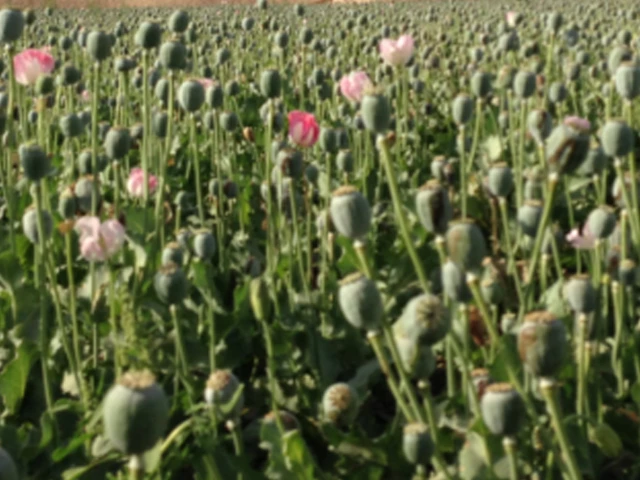
Opium poppy cultivation in Afghanistan more than quadrupled in 2026 despite a Taliban government ban, with the United Nations warning on Thursday that impoverished farmers needed alternative livelihoods to sustain their families.
The United Nations Office on Drugs and Crime (UNODC) said cultivated areas had risen to 43,000 hectares from 10,000 hectares in 2025, while estimated opium production increased fivefold to 1,500 tonnes from 300 tonnes.
Afghanistan's 2022 crackdown had reduced poppy cultivation from more than 200,000 hectares to just 10,000 hectares last year, allowing Myanmar to overtake it as the world's leading opium producer. The Taliban authorities claim to have destroyed more than 22,000 hectares of poppy fields.
The Afghan interior ministry rejected the UN figures, saying eradication operations had reduced cultivation to "nearly zero". Poverty has pushed farmers back towards the lucrative crop, particularly in northeastern Badakhshan province, now Afghanistan's main opium-growing region.
UNODC Executive Director Monica Juma said the surge demonstrated the difficulty of sustaining reductions in illicit cultivation when farmers lacked alternatives. A hectare of wheat generated just over $770 in 2023, compared with $10,000 for poppy, according to UNODC.
The agency estimated that sustainable alternative livelihoods would require approximately $500 million, but only 10% had been funded. It stressed that farmers also needed irrigation, roads, storage facilities and access to markets.
UNODC called for international cooperation to address drug production.











This material may not be published, broadcast, rewritten, redistributed or derived from. Unless otherwise stated, all content is copyrighted © 2026 The Express Tribune.






COMMENTS
Comments are moderated and generally will be posted if they are on-topic and not abusive.
For more information, please see our Comments FAQ