Rs511b approved, Rs91b disbursed under Apna Ghar
Updated 1 hour ago

Economists warn inflation is projected at 11-13% if oil stays elevated
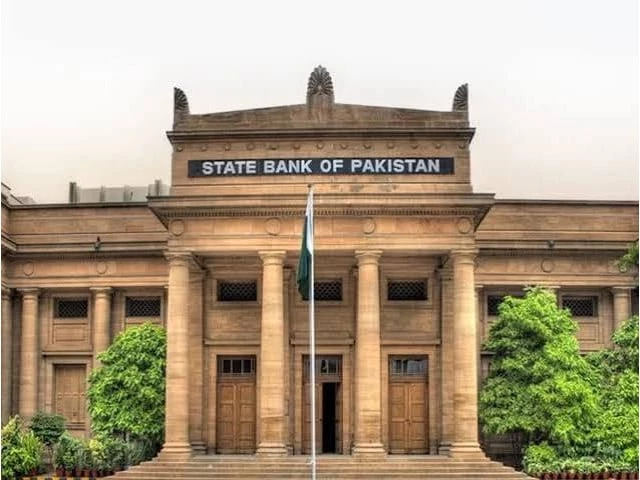
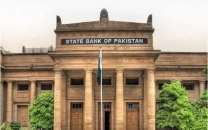
The State Bank of Pakistan's (SBP) decision to raise its policy rate by 50 basis points to 12% has cast a shadow over the economic recovery, with economists warning that persistent energy and food price pressures could keep monetary policy tight while higher borrowing costs weigh on private investment, employment and growth.
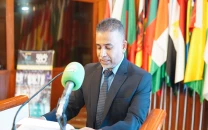
The Sustainable Development Policy Institute (SDPI) economist Dr Abid Qaiyum Suleri said the 50-basis-point increase reflected growing concerns over inflation, particularly rising energy and food prices. With inflation reaching 10.3% in September, the central bank wanted to prevent temporary supply shocks from turning into persistent inflationary pressures.
He expects energy prices to remain elevated in the near future amid fears of another wave of US-Israeli attacks on Iran after the US midterm elections and the possibility of Iranian retaliation against neighbouring Gulf states.
This outlook leaves limited room for monetary easing in the coming months, as persistent external tensions could prolong energy price pressures and complicate the inflation outlook. He expects monetary policy to remain tight, with rate cuts unlikely unless energy prices stabilise and inflation records a sustained decline.
The SBP projects economic growth of 3.5-4.5% in fiscal year 2027, but prolonged high borrowing costs could constrain the recovery, he said.
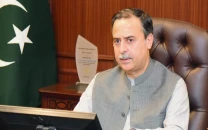
SDPI Deputy Executive Director and founding head of the Policy Solutions Lab Dr Sajid Amin Javed said the 50-basis-point increase was expected as double-digit inflation, a recent surge in global oil prices and fears of a prolonged US-Iran conflict worsened Pakistan's inflation and economic outlook.
He said the SBP had kept the policy rate unchanged since April 2026 despite rising headline inflation, expecting global oil prices to settle and bring inflation down. However, renewed increases in oil prices and fears of further escalation had changed the outlook, prompting the Monetary Policy Committee to raise the rate.
He considered the increase necessary amid double-digit inflation, saying it was consistent with a cautious approach of making small adjustments to signal the central bank's commitment to price stability. Although higher interest rates might not directly curb supply-side inflation, he said, the increase sent the right signal to the market.
However, he warned that if fears of conflict persisted and oil prices remained elevated, the SBP could introduce a series of gradual rate increases over the next three to four months. This could further slow an already sluggish economy, although the rate would not return to its previous peak.
He projected average headline inflation of 11-13% in fiscal year 2026-27, higher than previously anticipated, while economic growth could fall below 3.5%.
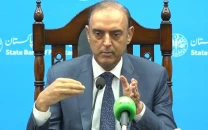
The concerns over growth were echoed by Pakistan Institute of Development Economics (PIDE) Professor of Economics and Registrar Dr Nasir Iqbal, who argued that maintaining the policy rate at 11.5% would have been a more balanced response to the prevailing inflationary risks.
Referring to PIDE's Monetary Policy Assessment for October 2026, he said price pressures were largely driven by supply-side constraints rather than excessive domestic demand. Energy prices, food prices and external shocks remained the main sources of inflation, he added. Higher interest rates cannot directly address these constraints. Instead, tighter monetary conditions raise borrowing costs for businesses, discourage private investment and increase the government's debt-servicing burden, potentially weakening an already fragile economic recovery.
With September inflation at 10.3% and growth remaining modest, he said further monetary tightening risked adding to the pressure on businesses without adequately addressing the underlying sources of inflation.
Looking ahead, he expects inflation to remain elevated and volatile if global energy prices and domestic food supply pressures persist. High borrowing costs are also likely to constrain investment, employment generation and economic activity, keeping growth moderate rather than allowing it to accelerate significantly.
He urged the SBP to avoid further rate increases unless there was clear evidence that inflation had become broad-based and persistent.
His assessment highlights the limitations of relying on monetary tightening when inflation is driven primarily by supply-side factors. While higher interest rates can restrain demand, they cannot directly lower international energy prices or resolve domestic food supply disruptions.
The three economists' assessments underline the difficult choices facing monetary policymakers. Persistent inflation and uncertainty over global energy prices could keep the policy rate elevated, but the cost of credit may restrict business investment and weigh on economic activity. The outlook will depend partly on whether geopolitical tensions ease and energy prices stabilise enough to allow inflation to decline.
While Suleri sees limited scope for rate cuts without a sustained improvement in inflation, Javed warns that prolonged oil price pressures could lead to further gradual increases. Meanwhile, the PIDE economist cautions that additional tightening could deepen the economic costs without resolving the supply-side pressures driving inflation. The challenge for the SBP will be to contain inflation while avoiding further constraints on investment, employment and the broader economic recovery.







This material may not be published, broadcast, rewritten, redistributed or derived from. Unless otherwise stated, all content is copyrighted © 2026 The Express Tribune.








COMMENTS
Comments are moderated and generally will be posted if they are on-topic and not abusive.
For more information, please see our Comments FAQ