Rs511b approved, Rs91b disbursed under Apna Ghar
Updated 1 hour ago

Seeks clear policy, saying second-hand vehicle trade hurts local industry
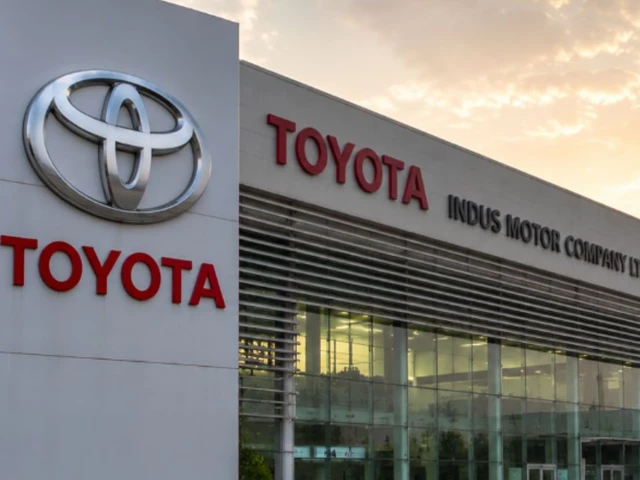
Indus Motor Company (IMC), the assembler of Toyota vehicles in Pakistan, has said the misuse of gift scheme for importing used vehicles and the absence of a clear, long-term automotive policy are hurting local manufacturing and discouraging investment, even as the company reported higher sales and profit for the first quarter (July-September) of the current fiscal year.
IMC Chief Executive Officer Ali Asghar Jamali said the recovery in automotive demand was encouraging, but warned that the misuse of the scheme was undermining local production and diverting economic activity away from domestic manufacturers. He said this had negative implications for employment, localisation and government revenues.
He also described the lack of a clear automotive policy as a major concern, saying it was creating uncertainty in the market and holding back investment decisions. "A predictable policy framework and effective enforcement of import regulations are essential to safeguard Pakistan's industrial base," he remarked.
The company said a sharp rise in used vehicle imports during the quarter ended September 30, 2026 added to competitive pressure on local manufacturers. It called for stricter enforcement of import rules, a consistent automotive policy, rationalisation of duties and taxes, better access to auto financing and incentives for vehicle exports.
Despite these concerns, the company's financial performance improved. IMC sold 13,380 vehicles during the quarter, up 34% from the same period of last year. Net sales rose to Rs74.015 billion, while profit after tax stood at Rs7.384 billion, translating into earnings per share of Rs93.95.
The company attributed the improvement to higher sales volumes, increased localisation, cost control and higher other income. The board of directors declared an interim cash dividend of Rs56 per share for the quarter.
The wider industry also recorded growth. According to the Pakistan Automotive Manufacturers Association (PAMA), sales of locally assembled passenger cars and light commercial vehicles increased by 19.4% to 50,480 units in the July-September quarter. However, the sector is still operating at an estimated 45% of its installed production capacity, which points to considerable room for expansion.
The company expects demand for locally made vehicles to improve gradually over the rest of fiscal year 2026-27. It noted that higher international oil prices, geopolitical uncertainty, rising operating costs and possible exchange rate volatility could pose risks to the outlook.
It said it would continue to engage with policymakers and industry stakeholders to promote a predictable and investment-friendly environment for the auto sector.







This material may not be published, broadcast, rewritten, redistributed or derived from. Unless otherwise stated, all content is copyrighted © 2026 The Express Tribune.









COMMENTS
Comments are moderated and generally will be posted if they are on-topic and not abusive.
For more information, please see our Comments FAQ