Piracy to draw 10 years in jail, Rs25m fine
Updated 29 minutes ago

.
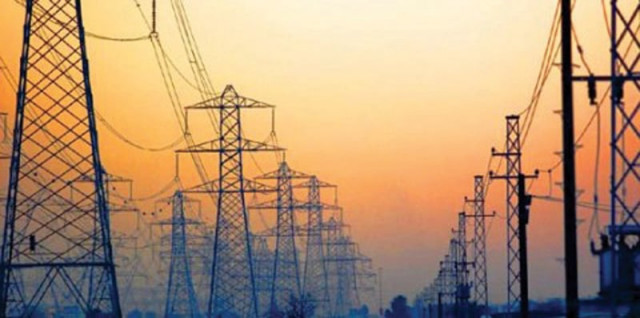
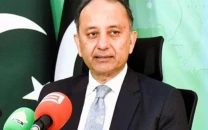
Parliamentary Secretary for Energy Aamir Talal told the National Assembly on Tuesday that around 72% of feeders in Karachi are exempt from loadshedding, including all industrial feeders.
Responding to a calling attention notice regarding power outages in the port city, Talal said loadshedding on the remaining 28% of feeders was being carried out because of electricity theft and non-payment of bills.
He said the policy was consistent with the National Electricity Policy 2021 and was being implemented across all power distribution companies (DISCOs) in the country.
The parliamentary secretary attributed a recent disruption in electricity generation to a gas crisis triggered by the closure of the Strait of Hormuz. He said the unavailability of liquefied natural gas (LNG) cargoes between October 6 and October 12 severely affected power generation.
However, following the arrival of LNG cargoes, electricity supply in Karachi had returned completely to normal, he added. Talal also highlighted damage to K-Electric's underground cable network caused by unauthorised excavation during development works in Karachi.
He said such damage was among the major reasons for unannounced power outages in the city.
Clarifying the distinction between loadshedding and other interruptions, he said the removal of illegal electricity connections, commonly known as kundas, and temporary disconnections were enforcement measures aimed at curbing electricity theft. Such measures should not be construed as loadshedding.
The parliamentary secretary said the government was also considering introducing a legal framework to make electricity theft and deliberate non-payment of electricity bills cognisable offences.
Meanwhile, the National Assembly on Tuesday passed seven private members' bills by majority vote after clause-by-clause consideration.











This material may not be published, broadcast, rewritten, redistributed or derived from. Unless otherwise stated, all content is copyrighted © 2026 The Express Tribune.



COMMENTS
Comments are moderated and generally will be posted if they are on-topic and not abusive.
For more information, please see our Comments FAQ