Banking links sought with Ethiopia
Updated 2 hours ago

It comes despite worries about fuel prices, subsidies, IMF talks, says study
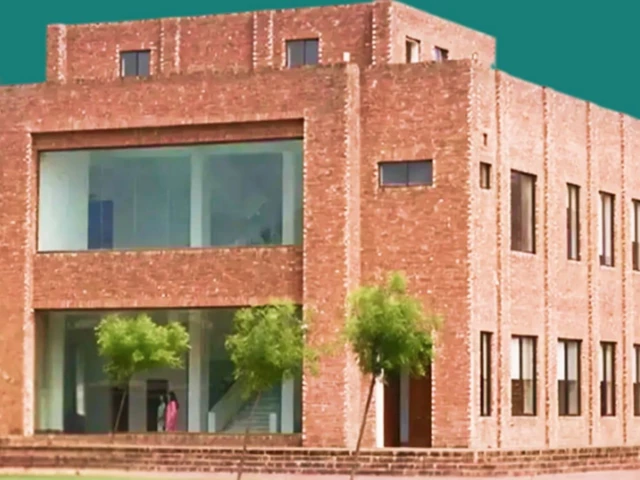
Economic, trade and investment policy uncertainty eased in Pakistan during September 2026, led by a sharp decline in policy concerns after the State Bank of Pakistan (SBP) kept its policy rate unchanged, foreign exchange reserves increased and tax collection hit the first-quarter target, according to the Lahore School of Economics (LSE).
The LSE Policy Uncertainty Index dropped 24.21% month-on-month to 162.46 in September. The decline indicates that businesses and investors saw a more stable policy environment during the month, although concerns over fuel prices, subsidies and delayed talks with the International Monetary Fund (IMF) continued to weigh on sentiment.
The central bank left the policy rate on hold at 11.5% in September, providing some clarity to markets about borrowing costs. Meanwhile, Pakistan's foreign exchange reserves rose to $26.8 billion, improving confidence in the country's external financial position. On Monday, however, the SBP raised the rate by 50 basis points to 12%.
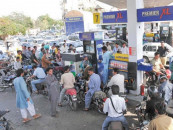
The Federal Board of Revenue (FBR) met its overall revenue target for the first quarter of fiscal year 2026-27. However, income tax collection missed the target, showing that pressure on government finances had not fully eased. Policy uncertainty remained high in areas linked to energy pricing. The government continued with daily fuel price adjustments and kept petroleum levy at a high level. It also introduced a fuel subsidy scheme, which raised concerns at the IMF.
Talks with the IMF on its review programme remained stalled over issues including fuel subsidies, gas-sector receivables and the circular debt. These unresolved matters could limit the improvement in economic confidence if these are not addressed.
Trade policy uncertainty came down, but still it stood at a relatively higher level. The Lahore School Trade Policy Uncertainty Index declined 22.1% month-on-month to 192.89 in September. The drop came as trade deficit narrowed in August and exports during July and August rose 7% compared with the same period a year earlier. The improvement in exports and a smaller deficit offered some relief for the external sector.
The government also continued its tariff rationalisation programme. Duties on imported mobile phones were reduced, signalling that the authorities were moving ahead with planned trade reforms. However, trade-related concerns persisted because the Auto Industry Development and Export Policy for 2026-31 had not been finalised. The proposed policy was under IMF review, leaving automakers and investors without clarity about future rules for the sector. Disruption to shipping through the Strait of Hormuz added another risk. The route remained affected during the month, while Brent crude oil prices moved above $100 per barrel. Higher oil prices and shipping disruptions could increase Pakistan's import bill and put renewed pressure on inflation.
Investment policy uncertainty recorded a smaller decline. The Lahore School Investment Policy Uncertainty Index fell 6.45% month-on-month to 145, supported by progress on power-sector reforms and Pakistan's successful return to international debt markets.
Regulatory uncertainty eased as the privatisation process for electricity distribution companies moved forward. A revised draft of the telecom bill was also prepared, although concerns raised in the Senate showed that regulatory changes may still face political and institutional hurdles. Financial uncertainty declined after Pakistan raised a record $3 billion through a Eurobond issue. The transaction reduced immediate financing concerns and signalled improved investor access to international markets.







This material may not be published, broadcast, rewritten, redistributed or derived from. Unless otherwise stated, all content is copyrighted © 2026 The Express Tribune.








COMMENTS
Comments are moderated and generally will be posted if they are on-topic and not abusive.
For more information, please see our Comments FAQ