Int'l Silk Route Festival opens in capital
Updated 9 minutes ago

Iran supply disruptions push domestic retail prices higher
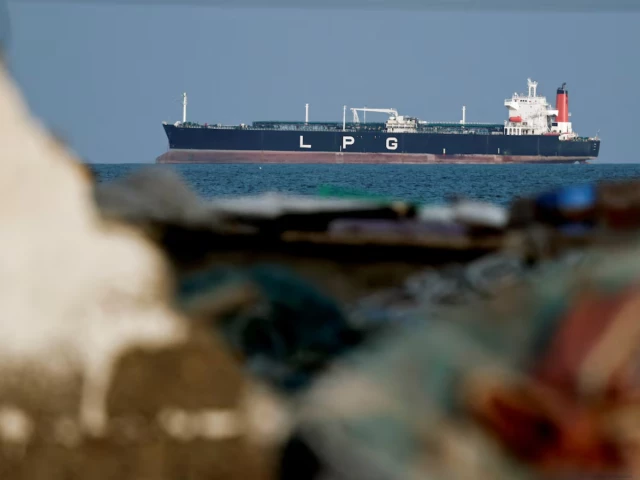
Pakistan has accelerated liquefied petroleum gas (LPG) imports through the sea route following disruptions to supplies from Iran, with more than 11,600 tonnes of the fuel arriving at Karachi's ports in a week as retail prices soar countrywide.
An LPG carrier, Yellow Stone, carrying 4,000 metric tonnes of gas loaded in Bahrain, berthed at Port Qasim on October 24, marking another addition to the country's seaborne supplies, port authorities said on Sunday.
In a statement, the Port Qasim Authority (PQA) said the vessel's arrival marked the commencement of cargo handling in accordance with applicable procedures, underscoring the port's role in facilitating essential energy imports for domestic and commercial consumers.
The latest consignment follows the arrival of two other vessels within the preceding 72 hours.
The PGC Yiannios, carrying 4,520 tonnes of LPG, berthed at the Sui Southern Gas Company (SSGC) terminal, while the Alisa 1, carrying 3,083 tonnes, completed its cargo operation.
The shift towards seaborne imports comes after the suspension of LPG bowser movement across the Gabd-Rimdan border crossing between Pakistan and Iran disrupted land-based supplies, contributing to a sharp increase in prices.
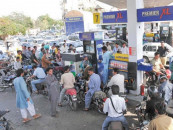
In Lahore, consumers reported paying as much as Rs570 per kilogramme, almost double the Oil and Gas Regulatory Authority's (Ogra) official rate of Rs279 per kilogramme for October.
Market prices have reportedly reached Rs500 to Rs600 per kilogramme in Punjab and Khyber-Pakhtunkhwa, with rates climbing even higher in colder and hilly areas. Consumers said some vendors had stopped selling LPG openly following government action against overpricing but continued supplying it discreetly at inflated rates.
Pakistan's daily LPG consumption is estimated at 4,000 to 4,500 tonnes, against domestic production of around 2,000 to 2,500 tonnes. Demand typically rises to 6,000 to 7,000 tonnes a day during peak winter, when households increasingly depend on the fuel for cooking and heating.
Pakistan LPG Distributors Association Chairman Irfan Khokhar warned that prices could rise further if supply disruptions persisted. He called for immediate imports, stricter action against overcharging and a review of Ogra's pricing mechanism.
Meanwhile, commercial cargo movement has resumed at the Gabd-Rimdan crossing. Mir Naveed Jan Kalmati, president of the Gwadar Chamber of Commerce and Industry, told a private television channel that trade operations had restarted on Saturday morning.
Iranian Ambassador to Pakistan Reza Amiri-Moghaddam also said on Sunday that Iran's borders with neighbouring countries remained open for trade.
Referring to reports that several hundred trucks carrying LPG had crossed the Rimdan-Gabd border but were awaiting clearance, the ambassador said bilateral border trade was an integral part of agreements reached at the highest levels and served the interests of both countries.
With winter approaching and demand expected to rise, additional seaborne consignments could help ease supply pressures. However, the extent of relief for consumers will depend on the continuity of imports, the resumption of cross-border supplies and the enforcement of official prices in local markets.







This material may not be published, broadcast, rewritten, redistributed or derived from. Unless otherwise stated, all content is copyrighted © 2026 The Express Tribune.










COMMENTS
Comments are moderated and generally will be posted if they are on-topic and not abusive.
For more information, please see our Comments FAQ