Dasti phone case raises SC eyebrows
Updated 1 hour ago

Weather and policies briefly cleared the air, but experts warn peak smog season lies ahead
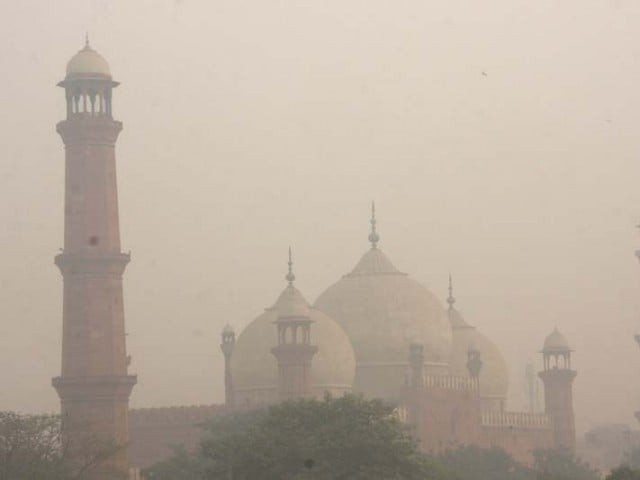
Every year, the government points to improving air quality figures, but in Lahore's smog fortress, the daily struggle to breathe tells another story. A parent's persistent dry cough, a child's wheezing breath, eyes stinging in the haze and mornings shrouded in toxic air have become part of everyday life. As another smog season begins, residents are left wondering how long they must endure air that turns the most basic act of breathing into a health hazard.
Even though Lahore recorded better air quality in September and October this year than in the previous two years, pollution levels remain unhealthy. Punjab EPA and IQAir data show the average AQI was 143 in September and 163 in October 2024, compared with 89 and 182 respectively in 2025. This year, the average stood at 99 in September and around 109 in October so far. Experts attribute the improvement partly to favourable weather and government measures but warn that sustained progress depends on controlling emissions.
Despite the relatively better figures, pollution levels began rising again in the second half of October. According to hourly records available from the Punjab EPA, Lahore's AQI ranged between 229 and 290 from October 17 to 21, reaching 290 on October 21. Elevated pollution levels were also recorded at several monitoring stations on October 22, highlighting the risk of a renewed deterioration in air quality as the season progresses.
Muhammad Aleemul Hassan, director of the Pakistan Meteorological Department's Lahore office, said severe winter cold had shortened from around 75 to 50 days, while day and night temperatures had risen. The department's three-month forecast predicts near-normal rainfall and slightly above-average temperatures, factors that could affect pollution levels in the coming months.
Hassan noted that a relatively favourable western weather system was expected during the last days of October and the first week of November. The system could bring a drop in temperatures and help improve air quality, although the extent of any improvement would depend on the weather conditions and the movement of polluted air.
Founder of the Pakistan Air Quality Initiative Abid Omar said the Punjab government had initiated measures to tackle air pollution in the right direction but stressed that these efforts needed to continue. He said the government had undertaken various initiatives with 30 million US dollars in funding from the World Bank, although it would take time for their results to become apparent.
Omar added that much of the improvement in air quality last year had resulted from natural factors rather than government interventions alone. This, he said, underlined the importance of distinguishing between temporary improvements caused by weather and lasting reductions achieved through effective pollution-control policies.
The Punjab government has introduced measures to curb emissions, including zigzag technology in brick kilns, industrial inspections, vehicle emissions testing, and anti-smog guns. Experts say their effectiveness depends on consistent implementation and measurable reductions in pollution.
A study published in the Pakistan Journal of Science in June 2025 found that PM2.5 levels in Lahore typically remain high from October to February. Falling temperatures, low wind speeds and temperature inversions trap pollutants near the ground, while rainfall can temporarily improve air quality by removing particles from the atmosphere.
Punjab Senior Minister Marriyum Aurangzeb warned that Lahore could again rank as the world's most polluted city, attributing the risk partly to polluted air from neighbouring countries. Experts, however, stress that local emissions from vehicles, industries, and brick kilns must also be addressed.
Despite this year's relative improvement, experts warn that PM2.5 levels remain hazardous. A lower AQI does not necessarily mean safe air, particularly for those exposed to pollution over prolonged periods.






This material may not be published, broadcast, rewritten, redistributed or derived from. Unless otherwise stated, all content is copyrighted © 2026 The Express Tribune.












COMMENTS
Comments are moderated and generally will be posted if they are on-topic and not abusive.
For more information, please see our Comments FAQ