Japan to simulate cyberattacks as PHP flaws roil global internet
Updated 1 hour ago

Recent events show how heavily companies, governments rely on PHP, which underpins up to 70% of sites globally
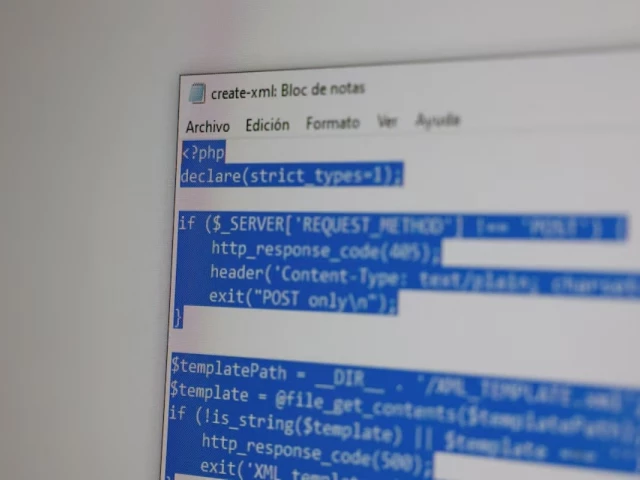
The discovery of two serious flaws in PHP this week set off a global scramble to keep websites safe from hackers, showing just how critical the three-decade-old open-source programming language is to the internet.
Yet the nonprofit foundation that supports PHP, which may underpin up to 70% of sites globally, operates on a shoestring budget.
“We have one full-time staff member (that's me) and 14 mostly part-time contractors,” Executive Director Elizabeth Barron of the PHP Foundation said via email in an interview on Friday. Board members are unpaid volunteers, and funding comes from donations and grants.
Read: Millions of hacking attempts as companies, governments rush to patch PHP flaws
The foundation works with outside researchers and companies, including OpenAI and cybersecurity firms Wiz and Calif, to investigate security flaws and coordinate fixes, including Wednesday's patches.
While Web security company Cloudflare has reported millions of hacking attempts, Barron said the foundation had no evidence hackers were able to exploit the vulnerabilities before they were disclosed, or on sites that have been patched.
"We received no further indication from OpenAI, Wiz or Calif, with whom we're working closely on this issue, regarding any issues on patched systems,” she said.
Artificial intelligence has proved both a help and a burden to the foundation. It helped researchers find the flaws, which had been present for a decade, and Barron said it made programmers more efficient.
However, it is also increasing maintainers' workloads. The PHP project is receiving nearly twice as many proposed code changes as a year ago, “yet the number of contributors hasn't doubled,” she said. Reviewing contributions and bug reports requires “a massive amount of human input and experience.”
Read More: Government websites in Europe, elsewhere go dark as software flaw sparks security scramble
Recent events have shown how heavily companies and governments rely on PHP, Barron said.
“Given that reliance, it is clear that PHP is incredibly underfunded.”















This material may not be published, broadcast, rewritten, redistributed or derived from. Unless otherwise stated, all content is copyrighted © 2026 The Express Tribune.






COMMENTS
Comments are moderated and generally will be posted if they are on-topic and not abusive.
For more information, please see our Comments FAQ