Unregistered shelter homes leave children beyond effective oversight
Updated 57 minutes ago

More than 50 private shelter homes in Punjab remain unregistered
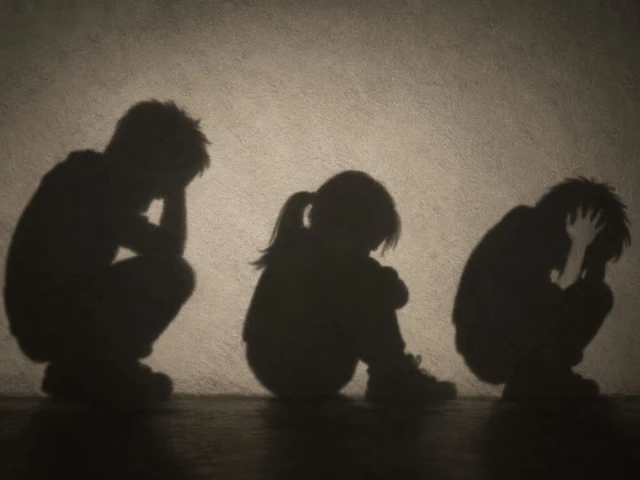
For hundreds of orphaned, abandoned and vulnerable children in Punjab, a shelter home is meant to be a place of safety. Yet many of the private institutions housing these children remain outside the government’s full oversight, leaving authorities without a clear and up-to-date picture of how many children are living there, under what conditions, and whether they are safe.
According to the Child Protection and Welfare Bureau (CPWB), only 14 shelter homes have been licensed, while more than 50 remain unregistered. A 2021-22 CPWB mapping study, conducted with UNICEF Pakistan, identified 105 residential care institutions in Punjab—41 government-run and 64 private—with 5,762 children. Four years later, however, the government still lacks updated data on these institutions and the children living in them.
The CPWB said applications from another four to five facilities were under review. Before licensing, officials inspect buildings, staff, facilities and child-care arrangements, followed by periodic inspections.
Private shelter homes provide accommodation, food, education and other basic facilities to children at a time when capacity in government institutions remains limited. However, the lack of effective oversight of unregistered facilities has raised concerns about child protection. In the past, several incidents have also raised questions about the living conditions and treatment of children in unregistered institutions.
The recent killing of 15-year-old orphan Waseem Abbas in Multan has renewed concerns about the protection of children living in institutional care. Waseem, who had been living at an NGO-run orphanage, was allegedly chased and run over by a contractor after being sent to work with him to learn electrical work. Police registered a murder case, while the CPWB rejected the orphanage’s registration application on October 20, citing concerns about arrangements for the protection and supervision of children. The case has raised questions about how children are supervised and safeguarded after leaving the institutions responsible for their care.
In April 2024, 32 children were recovered from an unregistered orphanage in Gajjumata, Lahore. According to the CPWB, the children were living in two small rooms. A case was registered against the head of the institution under the Punjab Destitute and Neglected Children Act, although medical examinations did not confirm sexual abuse.
In September 2025, 18 children were taken into protective custody after a video showing children being subjected to violence at an unregistered institution in Chichawatni surfaced on social media. Police said the children had been physically abused. One caretaker was arrested, while cases were also registered against the institution's administrators.
Child protection experts say the existing system for registering and regularly monitoring private shelter homes needs to be strengthened. Iftikhar Mubarak, head of Search for Justice, said registration with the CPWB could improve the quality of services provided to children as well as the monitoring system.
He suggested that shelter homes should also be required to produce a CPWB registration certificate when registering with the Punjab Charity Commission or renewing their registration annually.
Child rights activist Rashida Qureshi said it was alarming that some institutions did not even have clear legal authority to keep children in their custody. She called for the registration and regular inspection of all shelter homes, along with uniform standards for children's accommodation, food, education and healthcare.
Sahil Legal Aid Coordinator Imtiaz Soomro, advocate, said effective monitoring was necessary to ensure the safety of children in shelter homes, religious seminaries and boarding schools. However, he said it remained unclear which institution was responsible for monitoring these facilities under the existing system.
He called for the CPWB and other child rights institutions to establish an effective and regular monitoring mechanism to prevent the exploitation of children.
According to Soomro, incidents of sexual and physical abuse and other forms of exploitation in shelter homes, seminaries and boarding schools often go unreported. He further added that media access to some of these institutions was also limited, making it difficult for incidents involving children to come to light.
The CPWB said 11 Child Protection Institutes were currently operational in Punjab, while 25 Child Protection Units had been established across the province, of which only six were functional.
With more private than government institutions providing residential care to vulnerable children, the lack of an updated government record raises a fundamental question: if authorities do not know the current number of private shelter homes or the children living in them, how can the safety, rights and welfare of those children be effectively monitored?




This material may not be published, broadcast, rewritten, redistributed or derived from. Unless otherwise stated, all content is copyrighted © 2026 The Express Tribune.




COMMENTS
Comments are moderated and generally will be posted if they are on-topic and not abusive.
For more information, please see our Comments FAQ