Mir Raza's final hours: A trail of calls, Rs30m plea
Updated 2 hours ago

Cabinet increases exam attempts to five
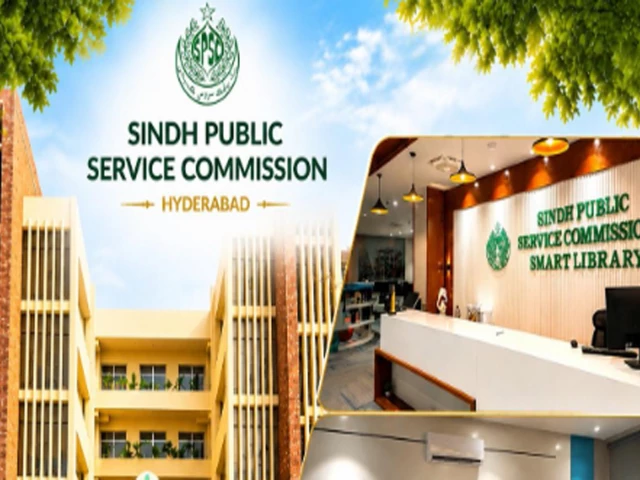
The Sindh cabinet on Tuesday raised the upper age limit for the Sindh Public Service Commission's (SPSC) Combined Competitive Examination (CCE) from 30 to 33 years and increased the number of attempts from three to five.
Chaired by Chief Minister Murad Ali Shah, the cabinet meeting also approved making the Mir Raza Ali inquiry commission report public and reviewed investment opportunities arising from the chief minister's recent China visit.
The cabinet reduced the qualifying marks for the CCE 2026 screening test from 40% to 33%. It also approved computer-based testing for single-paper examinations, with results printed immediately, and changes to interview marks in line with the Federal Public Service Commission.
The cabinet approved publishing the Mir Raza Ali inquiry commission report, submitted in seven sealed envelopes, on the Sindh home department's website on October 20. A printed copy will also be provided to the affected family.
A subcommittee comprising provincial ministers Zia Ul Hassan Lanjar, Syed Nasir Hussain Shah and Saeed Ghani, along with the advocate general, will review the findings and recommend action.
Briefing the cabinet, CM Shah said 36 MoUs were agreed upon at the Shanghai Sindh Investment and Trade Conference, attended by more than 400 delegates.
Of these, 12 involved the Sindh government, five Sindh Engro Coal Mining Company and 19 private-sector companies. The proposed partnerships cover energy, mining, agriculture, manufacturing, education and digital infrastructure.
Discussions with Shanghai Electric Group covered Thar coal utilisation, renewable energy, battery storage and a proposed seawater desalination plant for Karachi. A separate memorandum with Huawei envisages cooperation in artificial intelligence, cloud computing, smart cities and digital governance.
The chief minister directed departments to translate the agreements into investment, jobs and improved public services.
The cabinet also approved a negotiated package for the Sindh Property Revenue Enhancement Programme, backed by $150 million in World Bank financing. The programme aims to increase property tax collection across Karachi's 25 town municipal corporations from Rs2.3 billion to Rs25.5 billion. It also seeks to modernise taxation in other urban councils and strengthen the financial management of 45 selected local councils.












This material may not be published, broadcast, rewritten, redistributed or derived from. Unless otherwise stated, all content is copyrighted © 2026 The Express Tribune.





COMMENTS
Comments are moderated and generally will be posted if they are on-topic and not abusive.
For more information, please see our Comments FAQ