PTI march fizzles out after K-P emergency, arrests
Updated 50 minutes ago

Repeated price revisions and rising transport costs strain consumers
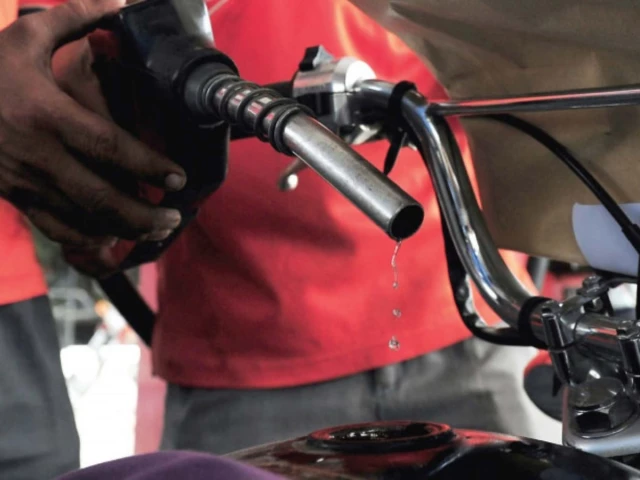
Pakistan's fuel prices have swung sharply in 2026, pushing up costs for consumers. By October 10, petrol had surged by Rs145.13 to Rs398.30 per litre, while diesel rose by Rs139.16 to Rs396.24.
Since daily pricing began on July 21, petrol prices have been raised 35 times and cut 22 times, while diesel has seen 34 increases and 23 reductionsleaving consumers grappling with persistent price volatility.
According to available price records, petroleum prices reached a peak on April 3, 2026, when petrol climbed to Rs458.41 per litre and high-speed diesel to Rs520.35. Prices subsequently moved up and down in response to changing market conditions.
Fluctuations in international oil prices, tensions in the Middle East, import costs and changes in the value of the rupee are among the factors influencing domestic petroleum prices.
Government revenue from petroleum levies and other taxes has also remained a significant component of the fuel price structure. Available official figures show that the government collected approximately Rs1.205 trillion in petroleum levy revenue between July 2025 and March 2026. Collections rose to around Rs1.342 trillion between July 2025 and April 2026.
These figures cover different periods within the fiscal year and should not be interpreted as total collections for calendar year 2026.
For the fiscal year 2026-27, the government has set a petroleum levy collection target of approximately Rs1.676 trillion. This is a budget target, not the amount collected so far during the current fiscal year.
The final retail price of petroleum products includes import costs, levies, customs duties, associated expenses and other applicable components. Consequently, a decline in international oil prices does not necessarily translate into equivalent relief for domestic consumers.
Pakistan relies on imports of crude oil and refined petroleum products to meet its energy needs. Available figures for the first two months of fiscal year 2026-27 show that approximately 2.001 million tonnes of crude oil were imported in July and August. The country's overall oil import bill during the period also ran into billions of dollars.
Crude oil imports and imports of finished petrol are separate categories. Therefore, the volume of crude oil imported cannot be treated as the quantity of petrol imported.
Rising petrol and diesel prices directly affect household expenditure. Motorcyclists, private vehicle owners, rickshaw drivers and employees who commute daily have to spend more on fuel. Higher diesel prices can also increase operating costs for buses, trucks, agricultural machinery and freight transport, potentially pushing up the prices of food, construction materials and other essential goods.
According to the Pakistan Bureau of Statistics, annual inflation stood at 10.26 per cent in September 2026, while consumer prices rose 1.27 per cent from August. Transport costs increased by 5.75 per cent month-on-month, and urban motor fuel prices surged 10.76 per cent. Electricity price increases added further pressure on household budgets.
Food prices showed mixed trends, with onion prices rising significantly while tomatoes, chicken and eggs became cheaper. However, higher fuel, transport and electricity costs continued to erode consumers' purchasing power.
Economists believe that the government needs to ensure greater transparency in petroleum pricing, review the tax structure, improve public transport and promote alternative energy sources. While temporary fuel price cuts could offer some relief, lasting reductions in household expenses would require lower dependence on imported energy and reduced transport costs.
Despite repeated price revisions since July 21, petrol remained Rs145.13 per litre more expensive than at the start of the year, while diesel had risen by Rs139.16. The continued volatility highlights the financial strain on households and the need for measures to reduce the impact of fuel costs on everyday life.













This material may not be published, broadcast, rewritten, redistributed or derived from. Unless otherwise stated, all content is copyrighted © 2026 The Express Tribune.





1727268465-0/Untitled-design-(42)1727268465-0-208x130.webp "the poor man s burden")
COMMENTS
Comments are moderated and generally will be posted if they are on-topic and not abusive.
For more information, please see our Comments FAQ