Netanyahu rebuked for plan to use crypto to bypass economic sanctions
Updated 3 hours ago

Plague lab worker in Siberia dies, prompting quarantine of dozens and health watchdog chief to visit region
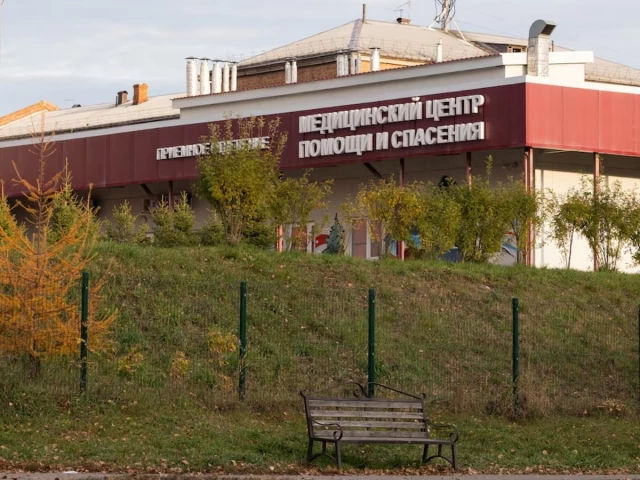
Russian officials on Monday downplayed reports that a laboratory technician in Siberia had died of plague, insisting the situation was under control and that post-mortem tests had not found traces of the disease.
Reports on Friday that a 28-year-old woman named Darya Shipilova, who had been working for the anti-plague institute in Siberia’s Irkutsk region, had died of plague sparked alarm.
The news outlet People of Baikal, citing unnamed sources close to the regional security services, said she may have contracted pneumonic plague from a broken test tube.
Other media reported a possible link between her death and a lab accident at the facility.
But Irkutsk regional governor Igor Kobzev said Monday that a special expert commission inspection in the region had found that “the cause of death was pneumonia of undetermined etiology.”
He said on Telegram that Russia’s consumer and health watchdog Rospotrebnadzor had determined, following tests, that “no microorganisms linked to the young woman’s professional work were found in her biological samples.”
He added that there had been “no new cases of staff from the anti-plague institute seeking medical attention” since the woman’s death.
Kobzev said the sanitary-epidemiological situation in Irkutsk was “stable.”
“The situation remains under our control and that of the experts.”
Asked about the situation on Monday, Kremlin spokesman Dmitry Peskov told reporters to “rely on Rospotrebnadzor’s official statements rather than ... rumors and speculations.”
Plague is a bacterial disease that can occur in several forms, including pneumonic plague, the most contagious type. Pneumonic plague can be fatal if not treated early, according to the World Health Organisation.
Woman dies of plague in Siberia, dozens under quarantine
Earlier, a laboratory worker at a plague research institute in Siberia has fallen ill and died in undisclosed circumstances, prompting authorities to quarantine dozens of people and the head of Russia's health watchdog to fly to the Irkutsk region.
The death has sparked public health fears on social media, but the authorities said on Monday the situation was under control.
Plague is endemic to Siberia, home to the first known prehistoric human outbreak, as the bacterium that causes it, Yersinia pestis, is present among small wild mammals in its vast wilderness and their fleas. It is rare for Russians to fall ill with plague, however, though cases in other parts of the world - notably Africa - occur every year.
Local media named the woman as Darya Shipilova, an employee at the Irkutsk Anti-Plague Research Institute of Siberia and the Far East.
BREAKING:
— Visegrád 24 (@visegrad24) October 4, 2026
5 hospitals have been closed for quarantines in Siberia due to a possible plague outbreak.
The 28-year-old lab technician Darya Shipilova, died yesterday after breaking a test tube with live Yersinia pestis the Irkutsk Anti-Plague Institute on September 25th while… pic.twitter.com/N6tKLRyAJ5
There were conflicting reports about how and where the laboratory worker, whose age was given as 28, had fallen ill. Still, the authorities said she had died of pneumonia of as-yet unestablished origin.
Read: Kyiv destroyed deadly samples from US-funded biowarfare labs: Russia
Authorities say no new cases reported, all contacts traced
Russia's health watchdog, Rospotrebnadzor, told state media the institute had not found evidence of any accidents involving the handling of pathogens after rumours spread on social media that the woman had dropped a test tube containing live bacteria.
Nevertheless, Anna Popova, the head of Rospotrebnadzor, flew to Siberia for an emergency meeting over the weekend.
An unspecified number of people who had been in contact with the dead woman were quarantined, parts of the hospital in the town of Shelekhov where she died were cordoned off, and an aluminium plant told its workers to wear masks.
Read More: WHO asks Ukraine to destroy ‘high-threat pathogens’ to prevent disease spread
Authorities urged people to remain calm and said there was no evidence that the woman's death was linked to her work.
Igor Kobzev, the governor of the Irkutsk region, said in a statement that she had died of "pneumonia of unknown aetiology", adding: "Importantly, over the past few days, no new cases of staff from the Anti-Plague Institute seeking medical attention have been identified."
☣️ Russian officials have downplayed reports that a laboratory technician in Siberia had died of plague, insisting the situation was under control and that post-mortem tests had not found traces of the disease.
— AFP News Agency (@AFP) October 5, 2026
➡️ https://t.co/kBegPNx3GV pic.twitter.com/DnCbVmhFdl
He said the situation was under control and that all known contacts of the dead woman had been identified, examined and placed under medical supervision.
Plague comes in three forms affecting different parts of the body. Pneumonic plague, an infection of the lungs, prompts the patient to cough out infectious airborne droplets.
If identified quickly, it can be treated with antibiotics. But if left untreated, it can be fatal in one to six days.

















This material may not be published, broadcast, rewritten, redistributed or derived from. Unless otherwise stated, all content is copyrighted © 2026 The Express Tribune.






COMMENTS
Comments are moderated and generally will be posted if they are on-topic and not abusive.
For more information, please see our Comments FAQ