PM Shehbaz calls for accountability in partnerships with international consultants
Updated 1 hour ago

Youths increasingly consult AI before doctors; students use antibiotics sans medical advice
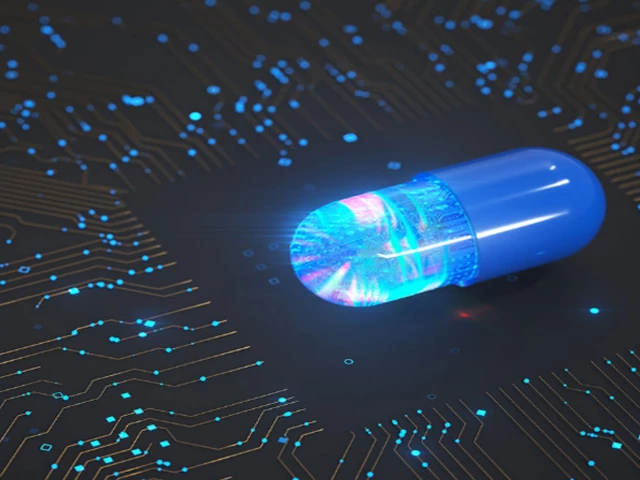
A headache, sore throat, acne flare-up or sleepless night no longer always prompts young Pakistanis to consult a doctor. Increasingly, many turn to AI chatbots, social media platforms or search engines for quick answers, compare symptoms online and visit pharmacies for medicines.
Although AI tools repeatedly caution users that they cannot replace medical professionals, health experts say many people ignore such warnings and use digital information as a substitute for proper diagnosis.
As artificial intelligence, TikTok, Instagram and Google become increasingly common sources of health advice, Dr Khalid Islam, former Medical Superintendent of Benazir Bhutto General Hospital (BBGH) said Pakistan's Generation Z was increasingly treating symptoms rather than seeking medical evaluation.
"Easy access to medicines, rising healthcare costs and the influence of online personalities have contributed to a growing culture of self-medication," he said.
For many young people, online reviews, influencer recommendations and advice from friends appear to offer quick and affordable solutions. However, medical professionals caution that unsupervised use of medicines can cause serious consequences, including antibiotic resistance, harmful drug interactions, delayed diagnosis and complications arising from inappropriate treatment.
A case from Rawalpindi highlights these risks. Dua, 28, began using Slim Fast Drops for weight loss while taking antibiotics for a throat infection. Weeks later, she developed severe liver pain and was diagnosed with hepatitis A. Doctors said such cases demonstrated the dangers of combining medicines and supplements without professional guidance.
Dermatologist Dr Nida Rizwan said social media had significantly influenced how young people selected skincare products. Many users purchase creams, serums and medicated products after watching online reviews without understanding their own skin conditions or the risks associated with such products.
She said products suitable for one person could damage another's skin by weakening the skin barrier, worsening acne, causing irritation or triggering other complications. She advised people to consult qualified dermatologists before using medicated skincare products rather than following online trends.
The problem extends beyond skincare. Health experts are also concerned about the growing number of unqualified individuals on TikTok, Facebook and other platforms who present themselves as health experts, traditional healers or Hakeems despite lacking recognised medical qualifications.
Through dramatic before-and-after videos, sponsored promotions and exaggerated claims, such individuals often market herbal remedies, weight-loss products and cosmetic treatments as quick solutions. Pharmacists say they are witnessing the impact directly.
















This material may not be published, broadcast, rewritten, redistributed or derived from. Unless otherwise stated, all content is copyrighted © 2026 The Express Tribune.






COMMENTS
Comments are moderated and generally will be posted if they are on-topic and not abusive.
For more information, please see our Comments FAQ