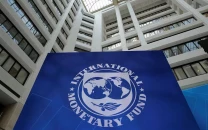
$1.2b loan accord reached with IMF
Updated 3 hours ago

Hundreds of heavy excavators are used for unauthorised extraction of gold along stretches of the Indus, Kabul rivers
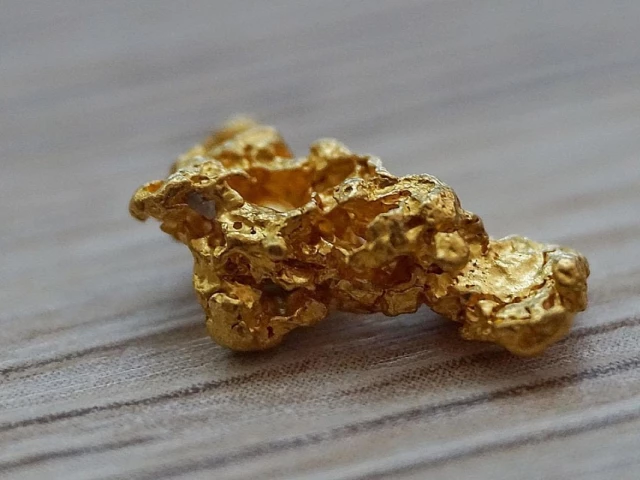
A major scandal involving the alleged "plunder, illegal extraction, and cross-border smuggling" of placer gold along the Indus and Kabul rivers has engulfed Khyber-Pakhtunkhwa (KP), raising questions over the regulation and protection of the province’s mineral resources.
According to a first information report (FIR), hundreds of heavy excavators were being used for unauthorised extraction of gold along stretches of the Indus and Kabul rivers, particularly in Nowshera, Swabi and Kohat districts.
The FIR alleged that more than 1,500 heavy excavators were operating along the riverbanks, with each machine allegedly generating between Rs500,000 and Rs700,000 a week through the illegal activity. Based on these figures, the FIR put the estimated proceeds from the operations at around Rs750 million per week.
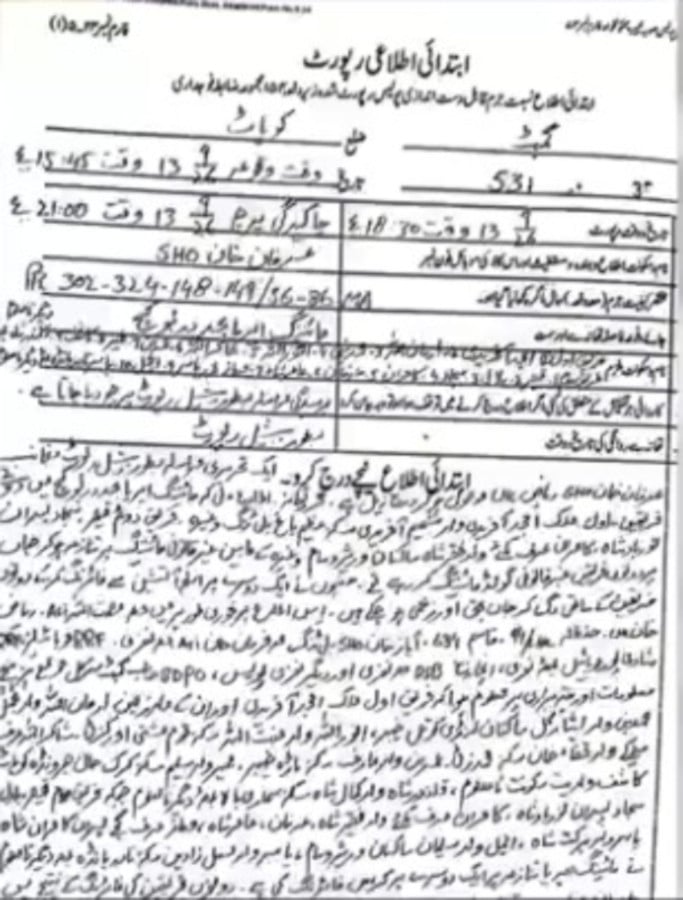
It further alleged that the gold extracted through these operations was untaxed and was subsequently channelled through international smuggling networks into neighbouring countries.
The FIR also raised questions about the role of law-enforcement agencies, district administrations and officials responsible for regulating mining activities, alleging that the operations had continued despite restrictions on placer gold extraction.
Read: Undocumented gold market to face scrutiny
The allegations came against the backdrop of controversy surrounding the auction of five major placer gold blocks in the province around 18 months ago.
According to the FIR, serious irregularities were reported in the auction process, with allegations that the blocks were offered at prices that did not reflect the actual value of the gold deposits.
The FIR stated that the National Accountability Bureau (NAB) subsequently initiated an inquiry into the matter. Geological surveys intended to determine the actual value of the deposits were allegedly halted during the proceedings.
The FIR also referred to the appearance of senior officials of the Mines and Minerals Department, including the secretary and director general, before investigators. The role of other senior provincial officials had also been referred to in connection with the proceedings.
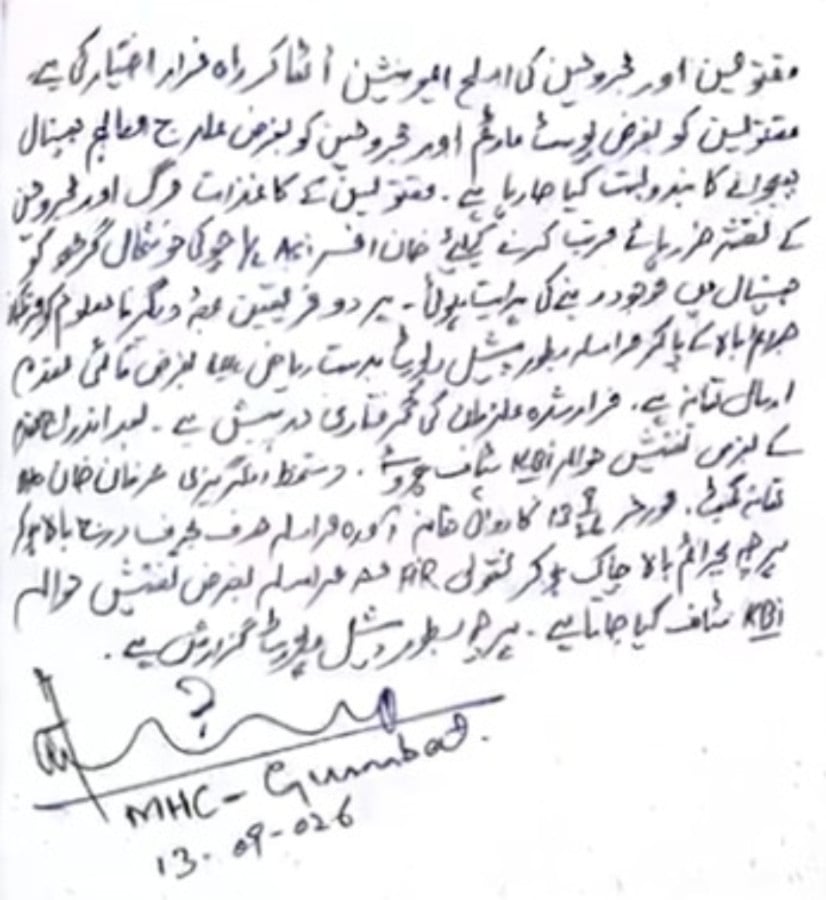
The five lease blocks were subsequently suspended pending the outcome of the investigation. According to the FIR, however, the suspension allegedly created a regulatory vacuum that allowed unauthorised mining activity to expand.
The alleged illegal extraction had also been linked to violence between rival groups seeking control of mining areas.
Read More: K-P imposes ban on illegal mining along Indus and Kabul rivers
The FIR referred to an armed clash in the Darbo Kach area of Kohat district in which four people were killed and four others critically injured.
Following the incident, Kohat police confirmed that placer gold extraction remained completely banned in the district, according to the FIR.
The document alleged that the continued deployment of large numbers of excavators and movement of extracted gold could not have taken place without failures in enforcement and oversight.
It called for action to determine those involved in the alleged illegal extraction, identify the beneficiaries of the activity and recover revenues that might have been lost to the public exchequer.
The FIR also raised the question of whether government officials or influential individuals facilitated the alleged mining and smuggling network.
Placer gold consisted of gold particles eroded from mineral-bearing rocks and subsequently deposited in river sediments. The Indus and Kabul river systems contained areas where such deposits had been identified.
The allegations contained in the FIR had not, however, been independently established and would be subject to investigation and adjudication by the relevant authorities and courts.









This material may not be published, broadcast, rewritten, redistributed or derived from. Unless otherwise stated, all content is copyrighted © 2026 The Express Tribune.







COMMENTS
Comments are moderated and generally will be posted if they are on-topic and not abusive.
For more information, please see our Comments FAQ