AJK-based lawyer challenges judge exam ban
Updated 4 hours ago

Petrol price reaches Rs370.80 while diesel rises to Rs398.04 per litre under new daily pricing mechanism
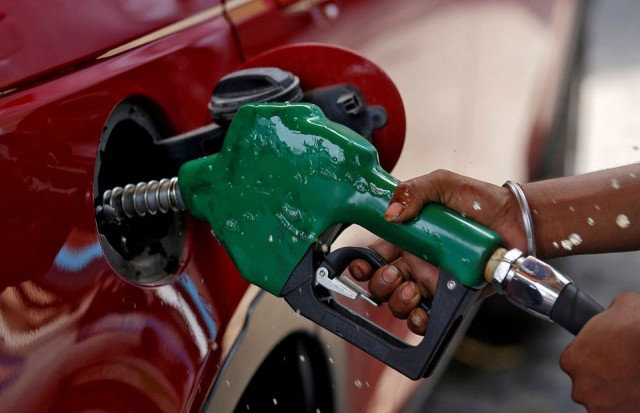
The federal government on Thursday increased the price of petrol and high-speed diesel (HSD) by Rs3.05 and Rs5.37 per litre, respectively, for September 11.
According to a notification issued by the Petroleum Division, the price of petrol was fixed at Rs370.8 per litre, while HSD would cost Rs398.04 per litre for Friday.
The latest revision comes a day after the government increased the price of petrol and HSD by Rs3.40 and Rs6.72 per litre, respectively, for September 10.
Read: Govt increases petrol price by Rs3.40, HSD by Rs6.72 per litre for Sept 10
On July 17, the government announced a new pricing mechanism under which petroleum product prices would be reviewed and notified on a daily basis, replacing the weekly pricing mechanism, as renewed tensions between the United States and Iran continued to drive volatility in global oil markets and raise concerns over fuel supplies.
According to the Pakistan Economic Survey 2024-25, petroleum products constitute one of the country's largest import categories, making the economy highly vulnerable to changes in global crude oil prices. Domestic refineries satisfy only part of national demand, while the remainder is met through imports of crude oil and refined petroleum products. Consequently, every increase in international oil prices raises Pakistan's import bill, pressures foreign exchange reserves, and contributes to inflation.
Pakistan previously exercised significant government control over petroleum pricing through subsidies and administrative interventions. While these measures temporarily protected consumers, they imposed substantial fiscal costs. During periods of elevated global oil prices, successive governments delayed passing price increases to consumers, creating financial pressures for oil marketing companies, refineries, and the national budget. Large fuel subsidies widened fiscal deficits, increased public borrowing, and weakened macroeconomic stability.
Global geopolitical developments continue to pose significant risks. International oil prices are influenced by decisions taken by OPEC+, conflicts in the Middle East, sanctions on oil-producing nations, and disruptions in critical shipping routes such as the Strait of Hormuz and the Red Sea. Any interruption in these supply chains can immediately increase crude oil prices and freight costs. Since Pakistan imports the majority of its petroleum requirements, these developments quickly translate into higher domestic fuel prices.
Oil prices jumped 5% on Thursday, with both major benchmarks trading at over $100 a barrel as the biggest spike in attacks on shipping since the Iran war began fed worries about further disruptions to already tight supplies.
Brent crude futures were up $5.39, or 5.33%, at $106.60 a barrel by 11:49 am ET (1549 GMT). US oil topped $100 a barrel for the first time since May as West Texas Intermediate crude futures rose $5.16, or 5.37%, to $101.21.
Brent prices have surged by more than 30% from lows touched in early August as a permanent agreement between the US and Iran to cease attacks never materialised and fighting resumed.
Attacks from Yemen on Saudi energy facilities introduce a fresh source of market risk, expanding concerns beyond Iran and the Strait of Hormuz, said Simon-Peter Massabni, head of business development at XS.com. The threat is no longer confined to a single choke point, but now includes the potential for disruptions to ripple across regional export routes, oil production sites and other energy infrastructure.














This material may not be published, broadcast, rewritten, redistributed or derived from. Unless otherwise stated, all content is copyrighted © 2026 The Express Tribune.









COMMENTS
Comments are moderated and generally will be posted if they are on-topic and not abusive.
For more information, please see our Comments FAQ