Japan to simulate cyberattacks as PHP flaws roil global internet
Updated 4 hours ago

NASA-IBM Lunar Foundation Model is a public AI tool trained on data from nine instruments on four NASA missions
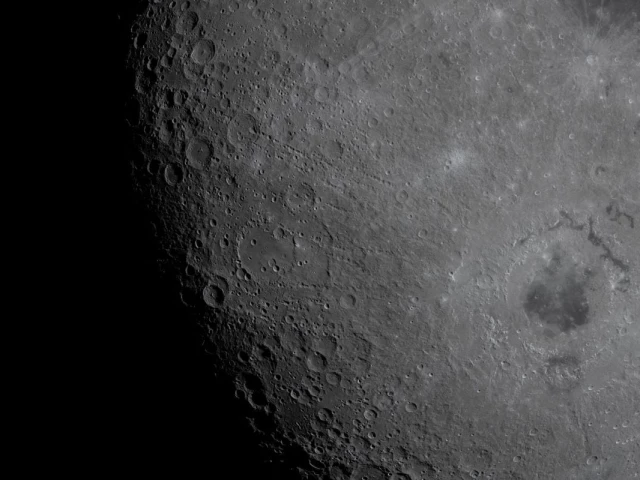
IBM and NASA on Thursday released an open-source AI model designed to help scientists analyze decades of lunar observation data and support plans for a sustained human presence on the Moon.
The NASA-IBM Lunar Foundation Model is a publicly available AI tool designed to study the Moon. It was trained on more than 30 layers of data collected by nine instruments on four NASA missions, including the Lunar Reconnaissance Orbiter.
The model joins IBM and NASA's Prithvi family of open foundation models, which span geospatial, weather and other applications.
It can help researchers identify potential ice deposits on the Moon's permanently shadowed regions, map craters to select safe landing sites and study volcanic features — tasks that have traditionally required scientists to sift through maps and images manually or rely on lower-resolution machine-learning tools.
Read More: New NASA telescope to probe dark energy, dark matter and exoplanets
In benchmark tests, the model identified key features on the lunar surface up to 23% more accurately than widely used methods, NASA and IBM said.
Lunar ice is of particular interest to space agencies because it indicates the presence of water and oxygen, resources considered essential for a future Moon base and for producing rocket fuel for missions to Mars.
ASA's Artemis program plans to return astronauts to the Moon in 2028, testing new technology for a sustained lunar presence and future Mars missions.










This material may not be published, broadcast, rewritten, redistributed or derived from. Unless otherwise stated, all content is copyrighted © 2026 The Express Tribune.










1727268465-0/Untitled-design-(42)1727268465-0-208x130.webp "the reverse renaissance")

COMMENTS
Comments are moderated and generally will be posted if they are on-topic and not abusive.
For more information, please see our Comments FAQ