AI-discovered bugs may soon trigger fresh disruptions, cyber experts say
Updated 7 hours ago

Google says the AI infrastructure build-out will involve development of three new data centres in the country's north
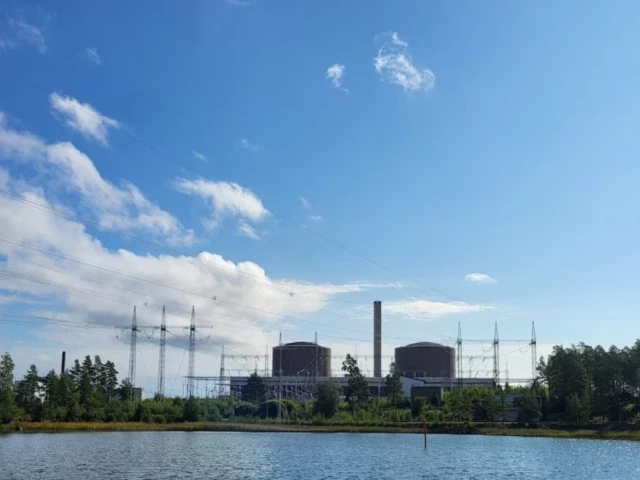
Alphabet's Google will invest at least €13 billion ($15.1 billion) in AI infrastructure in nippy Nordic country Finland over the next two years, its biggest European investment, including a major deal for the supply of nuclear power.
The US firm said on Wednesday the AI infrastructure build-out would involve the development of three new data centres in the country's north, where the temperature can drop well below minus 10 degrees Celsius (14 degrees Fahrenheit) in winter.
The deal marks a major push for Google in Europe, where colder climes and stable grids in the Nordics offer an attractive location for energy- and water-intensive data centres that use huge amounts of energy to keep their computer servers cool. Freezing air can offer an efficient alternative.
Read: OpenAI to launch first European AI data centre in Norway
Alphabet this year increased its global investment to between $195 billion and $205 billion as it seeks to capture growing AI computing demand.
The Finland deal also includes a 22-year purchase agreement for up to 50% of the energy output of one of the country's two nuclear plants, its operator Fortum said separately, which would help with electricity supply.
Today, we announced a new €13 billion commitment to Finland’s digital and clean energy infrastructure over the next two years — our largest single investment in Europe to date.
— News from Google (@NewsFromGoogle) September 9, 2026
Building on 15+ years in Finland, this investment will expand our presence in Hamina and establish… pic.twitter.com/wmNiBiiMef
"We call this BYOP, bring your own power," Google's President and Chief Investment Officer Ruth Porat told reporters in Helsinki. "This is Google's first nuclear energy deal outside of the United States."
Nuclear power, as a source of large amounts of low-carbon energy, is one of the attractions Finland offers as companies including Microsoft and TikTok owner ByteDance as well as Google seek sites for data centres while containing energy costs and meeting climate goals.
A deal between Google and Nordic utility Fortum Oyj, the first such agreement of its kind in Europe, will help unlock €1 billion of investment needed to keep a nuclear power plant in Finland running for decades to come. https://t.co/0XiNllGor7
— Bloomberg (@business) September 9, 2026
Fortum and Google will also explore the development of new nuclear and renewable energy in Finland, the companies said. Fortum's shares jumped 15.5% to 4-1/2-year highs on the news, the biggest gainer in Europe.
'There is enough electricity'
The investments will include data centres, electricity grid improvements and clean energy and battery projects driving services such as Gemini, Search, Maps and YouTube, Google said in a statement.
The investment, planned for 2027 and 2028, will contribute some €3.6 billion to Finland's gross domestic product during the construction phase, and is projected to support some 7,000 jobs annually once operational, Google said.
Finland's Prime Minister Petteri Orpo said that the deal would be a boost for the economy by spurring innovation, research and development, playing down concerns it would suck up energy and push up prices.
"Based on all the information available, there is enough electricity," he said. "They are committed to ensuring that electricity production in Finland remains sufficient and that prices remain under control."
Finland, a similar size to Germany but with under 6 million people, has had less vocal opposition to data centre build-out than other places, including in the United States.
In its statement, utility Fortum said the long-term purchase deal provided economic certainty for a lifetime extension and upgrade of the Loviisa power plant through 2050. The plant is situated near Google's Hamina data centre.











This material may not be published, broadcast, rewritten, redistributed or derived from. Unless otherwise stated, all content is copyrighted © 2026 The Express Tribune.






COMMENTS
Comments are moderated and generally will be posted if they are on-topic and not abusive.
For more information, please see our Comments FAQ