PSX edges 233 points higher to close at 166,419 points
Updated 6 hours ago

SBP governor says economy transitioning to sustainability, projects GDP at 3.5-4.5%
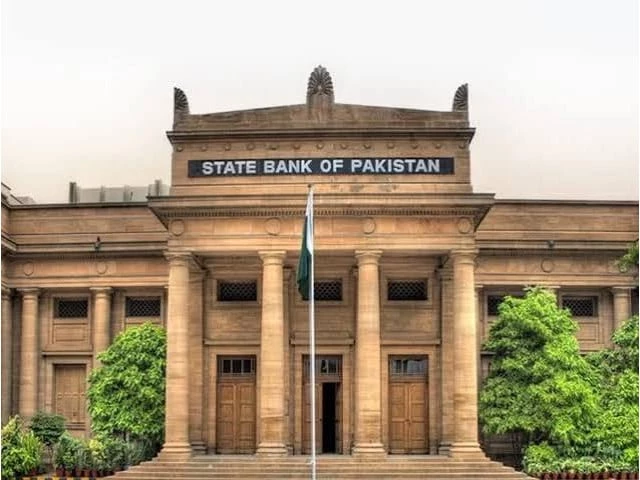
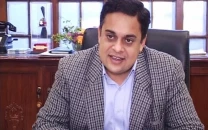
Emphasising the need for continued reforms on Independence Day, the State Bank of Pakistan (SBP) Governor Jameel Ahmad said on Thursday that the country's economy has made important progress towards stability over the past year, driven by prudent fiscal and monetary policies and greater economic discipline.
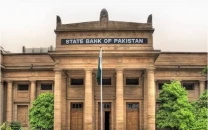
Speaking at a flag-hoisting ceremony at the SBP head office to mark the 79th Independence Day, Ahmad said Pakistan is now moving from a phase of stabilisation towards sustainable growth.
"SBP's focus will remain on price stability, policy reforms, and creating a conducive economic environment for higher productivity, export growth, and job creation," he said.
He noted that average inflation during FY26 stood at 7.1%. The central bank's assessment is that the current monetary policy stance remains appropriate to keep inflation within the medium-term target of 5-7% while allowing space for economic activity, investment and job creation.
Economic growth reached 3.7% in FY26 and is projected to remain between 3.5% and 4.5% in FY27. Ahmad described the outlook as an encouraging sign that the economy is transitioning towards more durable expansion after a difficult period of adjustment.
Experts, however, disagree, stating that the country needs GDP growth of at least 5-6% to keep up with population growth and to provide jobs to the millions entering the market every year.
Speaking to The Express Tribune on condition of anonymity, a textile exporter said the recovery remains heavily reliant on overseas remittances rather than a broad-based expansion in exports or industrial output, raising concerns about the sustainability of economic self-reliance.
He added that headline inflation staying within the target range obscures the persistent burden of food and energy costs on lower-income households. Meanwhile, the surge in digital transactions has yet to translate into meaningful formalisation of the informal economy or a broader tax base. Repeated calls for "continued reforms", strong institutions and rule of law, he noted, remain largely generic, with limited clarity on concrete fiscal, energy or regulatory measures.
On the external front, the governor highlighted record remittances from overseas Pakistanis, which exceeded $41 billion in FY26 and are expected to rise to $44 billion in FY27. Combined with a low current account deficit, the inflows have supported an improvement in foreign exchange reserves, which stood at $18.4 billion by the end of FY26. Reserves are projected to exceed $21 billion during the current fiscal year.
Ahmad also pointed to steps taken by the central bank to modernise the financial system. The successful launch of PRISM+ has aligned Pakistan's large-value payment and settlement infrastructure more closely with international standards, making transactions faster, safer and more efficient.
Retail digital transactions rose from around 10 billion to 12 billion over the past year, reflecting both greater technology adoption and progress towards a more documented and transparent economy, he said.
The governor reiterated SBP's commitment to financial inclusion, citing the launch of InvestPak as a platform designed to offer the public convenient, secure and transparent investment options. He also underlined ongoing efforts in Islamic banking, green finance, cybersecurity and financial technology to keep the financial system resilient and future-ready.
While acknowledging the progress achieved, Ahmad cautioned that challenges remain. He stressed that economic self-reliance, strong institutions, adherence to the rule of law and national unity are essential to realising the true spirit of independence.
Looking ahead, the SBP's focus will remain on price stability, policy reforms and creating conditions that support higher productivity, export growth and job creation. These priorities, he said, are necessary to convert stabilisation into sustainable development and to lay the foundation for a stronger economy.







This material may not be published, broadcast, rewritten, redistributed or derived from. Unless otherwise stated, all content is copyrighted © 2026 The Express Tribune.






COMMENTS
Comments are moderated and generally will be posted if they are on-topic and not abusive.
For more information, please see our Comments FAQ