Australian opposition party vows 'biggest cut to immigration' in country's history
Updated 3 hours ago

Tokyo says it sees no ill intent in Australian premier’s remarks as opposition pushes for police investigation
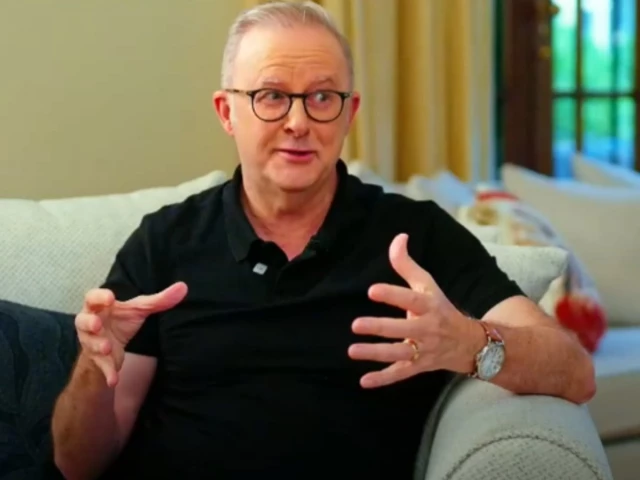
Japan on Wednesday played down a controversy surrounding the Australian prime minister’s remarks and hand gestures about melons gifted by his Japanese counterpart Sanae Takaichi, saying the episode had not undermined relations between the leaders.
Japanese Ambassador to Australia Kazuhiro Suzuki said Tokyo was aware of media reports about Prime Minister Anthony Albanese’s comments, according to Australian public broadcaster ABC News.
“We have been informed by the Australian side that Prime Minister Albanese did not make the comments in the way that has been reported,” Suzuki said.
He said a dinner hosted by Albanese during Takaichi’s visit to Australia in May took place in a “very relaxed atmosphere” and helped build personal trust between the two leaders.
Read: Pakistan, Japan sign $2.2m grant agreement to strengthen civil servants’ training
The controversy followed Albanese’s appearance on a podcast last month, when he discussed two prized Crown Melons presented by Takaichi, Japan’s first female prime minister, and made hand gestures that critics interpreted as an essentialising sexist reference.
Australian opposition figures have demanded an apology, calling the remarks inappropriate.
An internal Japanese government memo subsequently reported by Australian media said Tokyo believed there was no “ill intention” and played down what it called sensationalised coverage of the incident.
Liberal Senator James Paterson, however, called for the Australian Federal Police to investigate the apparent disclosure of the confidential Japanese correspondence, accusing the government of leaking it to “exonerate the prime minister”.
Albanese has resisted calls to apologise, while his government says the gestures have been misinterpreted.















This material may not be published, broadcast, rewritten, redistributed or derived from. Unless otherwise stated, all content is copyrighted © 2026 The Express Tribune.






COMMENTS
Comments are moderated and generally will be posted if they are on-topic and not abusive.
For more information, please see our Comments FAQ