Pakistan committed to diplomacy, says DG ISPR
Updated 1 hour ago

Pakistan lacks adequate caregiver support services; calls grow for respite care and counselling
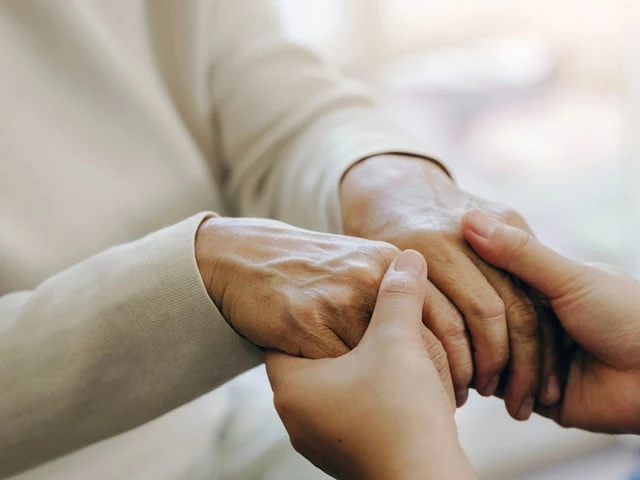
While public attention is often centred on patients living with chronic illnesses, disabilities and mental health conditions, healthcare experts have warned that the silent struggles of their caregivers continue to receive little recognition, despite the immense emotional, physical and financial burden they shoulder every day.
Across Pakistan, millions of family members provide unpaid, round-the-clock care for loved ones with autism, dementia, physical disabilities and mental illnesses. For many, caregiving is not a temporary responsibility but a lifelong commitment that frequently comes at the expense of their own health, careers and personal wellbeing.
Nadia, a resident of Rawalpindi, has spent the past 30 years caring for her daughter, who lives with a mental health disorder. She described caregiving as a relentless test of patience, resilience and sacrifice.
"Every day is emotionally and physically exhausting, but I continue because my daughter depends entirely on me," she said.
Kamran, another Rawalpindi resident, has been caring for his father, who has dementia. He said the emotional toll extended far beyond the practical demands of daily care.
"The hardest part is watching someone you love slowly deteriorate while feeling powerless to help," he said, adding that caregivers frequently face social stigma, insensitive remarks and a lack of public understanding. Like many others, he admitted neglecting his own health while prioritising his father's care.
Mental health professionals say such experiences are increasingly common and often culminate in caregiver burnout.
Clinical psychologist Dr Usama, who practises at the Pakistan Institute of Mental Health, said prolonged caregiving commonly resulted in chronic stress, anxiety, depression, sleep disturbances, frustration and emotional exhaustion.
"Caregiver burnout is not a sign of weakness," he said. "It is a natural consequence of prolonged emotional and physical strain and should be recognised and treated before it develops into more serious mental health problems."
According to the 2023 Population and Housing Census, Pakistan is home to approximately 3.5 million persons with disabilities, representing around 1.6 per cent of the population. With rehabilitation centres, home-care services and long-term care facilities remaining scarce, families continue to shoulder the overwhelming responsibility of caring for their loved ones.
Consultant psychiatrist Dr Zainab described family caregivers as carrying an "invisible psychological burden" that could be as debilitating as the physical demands of caregiving.
"Years of continuous caregiving, financial hardship and social isolation leave many caregivers vulnerable to chronic stress, anxiety, depression and emotional exhaustion," she said. "Yet their own mental health needs are rarely acknowledged because attention remains focused on the patient."













This material may not be published, broadcast, rewritten, redistributed or derived from. Unless otherwise stated, all content is copyrighted © 2026 The Express Tribune.





COMMENTS
Comments are moderated and generally will be posted if they are on-topic and not abusive.
For more information, please see our Comments FAQ