Six terrorists killed, two soldiers martyred in DI Khan operation: ISPR
Updated 1 hour ago

.
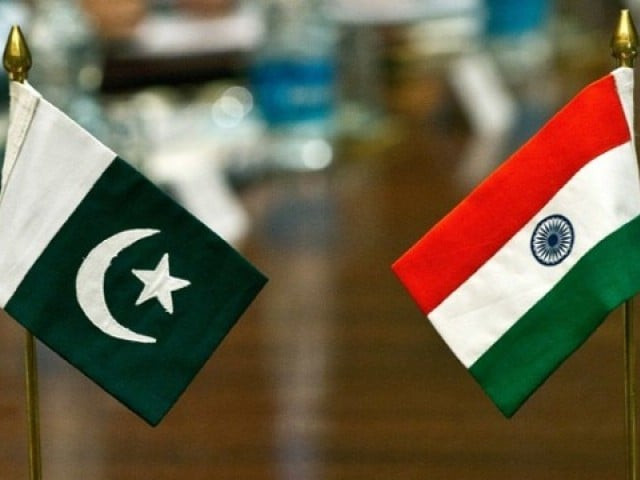
Despite the passage of seven years since the abrogation of Articles 370 and 35A, India's narrative framing the move as a historic achievement of peace and integration is utterly unmasked by severe economic distress, rising unemployment, relentless political unrest, heavy militarization, and demographic engineering.
According to defence and foreign policy analysts, mere economic statistics or selective tourism figures cannot hide the real issues of Indian Illegally Occupied Jammu and Kashmir (IIOJK).
They emphasised that sustainable peace and stability are only possible when civil and political rights are restored, human rights violations are held accountable, meaningful dialogue is initiated, and a solution to the Jammu and Kashmir dispute is sought in accordance with international laws, UN resolutions, and the aspirations of the Kashmiri people.
Evaluating India's claims of progress ahead of Youm-e-Istehsal, annually observed on August 5, analysts highlighted that ground realities starkly contradict official claims of development. India projects tourist numbers as proof of normalcy, yet the sector remains volatile and security-dependentfurther exposed by a sharp decline following the 2025 Pahalgam attackleaving thousands in tourism and handicrafts without livelihoods.
Similarly, claims of GSDP growth fail to obscure severe economic distress, where youth and female unemployment remain elevated, and key sectors like horticulture, handicrafts, and MSMEs face heavy financial losses alongside controversial land policies and unfulfilled job promises.








This material may not be published, broadcast, rewritten, redistributed or derived from. Unless otherwise stated, all content is copyrighted © 2026 The Express Tribune.

1727268465-0/Untitled-design-(42)1727268465-0-208x130.webp "the reverse renaissance")




COMMENTS (1)
Comments are moderated and generally will be posted if they are on-topic and not abusive.
For more information, please see our Comments FAQ