CDA barred from altering graveyard
Updated 1 hour ago

Calls grow for judicial probe, stronger mine safety laws
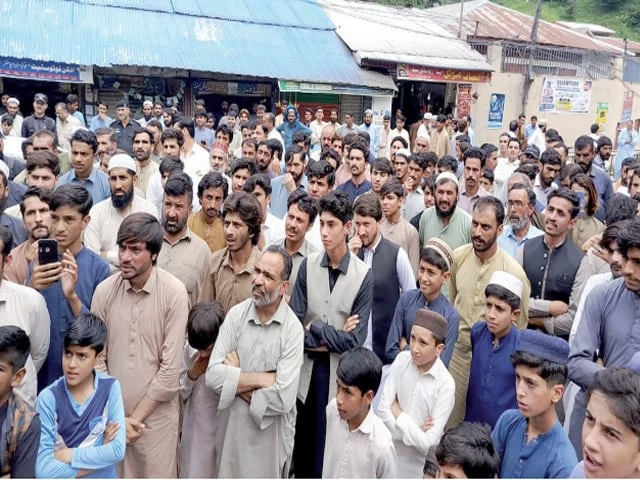
A devastating coal mine accident in the Spin Karez area on the outskirts of Quetta has claimed the lives of 34 miners from Shangla, plunging the district into mourning and once again exposing the heavy human cost of Pakistan's hazardous mining industry.
The workers were several thousand feet underground carrying out routine mining operations on Thursday morning when a powerful methane gas explosion ripped through the mine.
The blast triggered a partial collapse, trapping dozens of miners beneath the debris.
Among the victims were three brothers and their uncle from the same family, as well as two brothers from another household. All had travelled hundreds of kilometres from Shangla to Balochistan in search of work to support their families.
The tragedy has devastated communities across Shangla, particularly in Mian Kallay Pirabad, where 22 of the deceased belonged. The remaining victims hailed from neighbouring villages. Most of the deceased were related to one another or belonged to the same extended families and clans.
News of the disaster triggered scenes of grief across the district as cries of mourning echoed through villages. In several households, more than one family member lost his life, leaving entire families shattered.
Numerous children have been orphaned, while many women have been widowed.
Generational trauma
For decades, Shangla has remained one of Pakistan's economically disadvantaged districts. Limited industrial development, scarce employment opportunities, poor agricultural productivity and widespread unemployment have forced thousands of young men to seek work in coal mines across Balochistan, Sindh and Punjab.
According to local estimates, nearly 65% of Shangla's population depends directly or indirectly on coal mining for its livelihood. Almost every household has at least one family member employed as a miner.
Coal mining has become more than just an occupation in Shangla; it has evolved into a profession passed down through generations. Fathers are followed into the mines by their sons and later their grandsons, as poverty leaves families with few alternatives.
Many descend thousands of feet underground every day despite knowing that each shift could be their last.
The Sorange tragedy is far from an isolated incident. Over the past several decades, hundreds of miners from Shangla have lost their lives in separate accidents at coal mines across Balochistan. Hardly a year passes without miners' bodies returning to the district.
On several occasions, the bodies of five or six workers have arrived in Shangla within a single week.
Residents say every tragedy is followed by condolences, official announcements and promises of reforms. However, meaningful improvements in mine safety have rarely materialised.
Social activists and local residents say thousands of miners from Shangla continue to work without basic legal protection. Most are not formally registered with government authorities and lack access to social security, the Employees' Old-Age Benefits Institution (EOBI), health insurance or life insurance.
Many work through contractors and leaseholders, leaving bereaved families with little or no compensation when fatal accidents occur.
The district is also home to thousands of former miners who have suffered permanent disabilities in previous mining accidents.










This material may not be published, broadcast, rewritten, redistributed or derived from. Unless otherwise stated, all content is copyrighted © 2026 The Express Tribune.






COMMENTS
Comments are moderated and generally will be posted if they are on-topic and not abusive.
For more information, please see our Comments FAQ