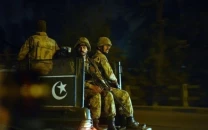
Captain, lieutenant among six martyred as eight terrorists killed in Hangu fire exchange: ISPR
Updated 1 hour ago

.
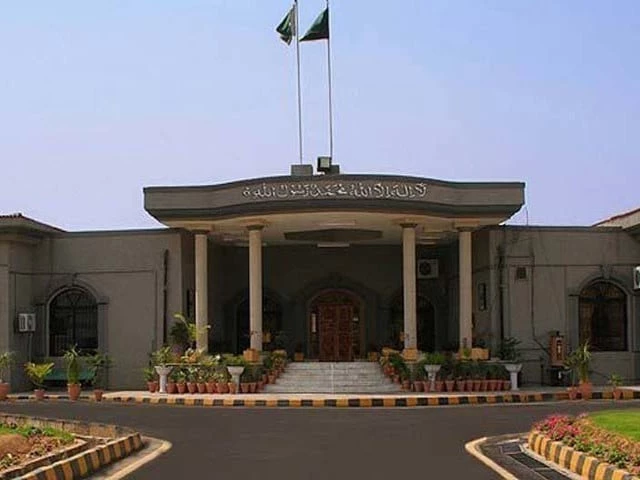
In a landmark judgment with far-reaching implications for Pakistan's tax regime, the Islamabad High Court (IHC) has dismissed a private bank's constitutional petition challenging the validity of Section 4C of the Income Tax Ordinance, 2001, upholding the levy of super tax in a dispute involving approximately Rs11 billion.
The IHC division bench also vacated interim stay orders and dismissed all pending applications, reaffirming Parliament's constitutional authority to enact fiscal legislation, the statutory appellate mechanism under the Income Tax Ordinance, and the special taxation framework applicable to banking companies.
The bank had challenged the enhanced super tax regime on multiple constitutional and statutory grounds. The court observed that where an effective and adequate statutory remedy exists and has already been invoked, the extraordinary constitutional jurisdiction under Article 199 should not ordinarily be exercised.
It also held that since no material part of the cause of action arose within Islamabad, the petition was not maintainable before the IHC.
On the substantive issue, the bench ruled that liability under Section 4C is determined by income accrued and recognised during the relevant tax year, rather than by the historical date on which the underlying banking or Islamic financing contracts were executed.
It accepted the Federation's contention that the Seventh Schedule creates a uniform taxation regime for all banking companies and does not recognise any distinction between conventional and Islamic banking for purposes of computing taxable income or levying tax.
Consequently, the bench held that the bank's argument that income arising from Islamic financing agreements executed prior to the enactment or enhancement of Section 4C could not be subjected to Super Tax had no legal basis under the Income Tax Ordinance.







This material may not be published, broadcast, rewritten, redistributed or derived from. Unless otherwise stated, all content is copyrighted © 2026 The Express Tribune.


1727268465-0/Untitled-design-(42)1727268465-0-208x130.webp "the jirga industry s hidden tragedies")



COMMENTS
Comments are moderated and generally will be posted if they are on-topic and not abusive.
For more information, please see our Comments FAQ