New team formed to re-examine Raza's 'murder'
Updated 10 hours ago

Rising gutka, tobacco use among youth fuels oral cancer cases as Sindh faces critical gaps in cancer treatment facilit
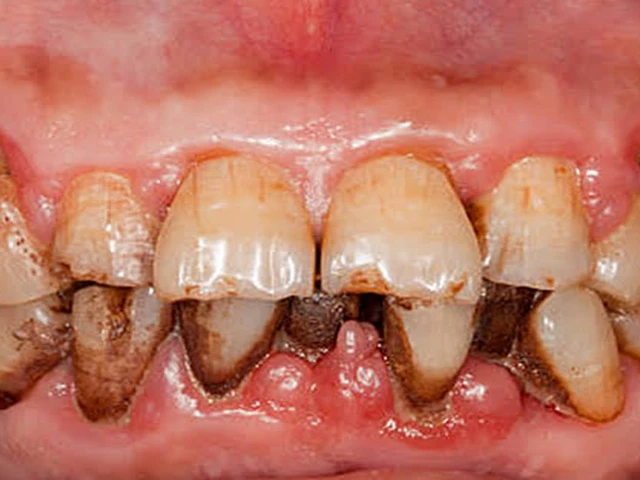
Karachi and other parts of Sindh are witnessing a sharp rise in oral cancer cases, particularly among young people, while the province lacks a dedicated cancer hospital. Health experts link the growing disease burden to the widespread use of gutka, mawa, paan, chhalia, and tobacco products, with the highest number of cases reported from Karachi's District South and other coastal and suburban areas.
Over the past five years, oral cancer cases in Sindh have increased by around 25 per cent, leading to a rise in deaths among younger patients. Experts say the absence of a comprehensive cancer treatment facility has created serious challenges for patients. Radiation therapy is available at Pakistan Atomic Energy Commission (PAEC) centres in Karachi, but existing facilities remain insufficient to meet the growing demand.
Doctors say Sindh has one of the highest rates of oral cancer in Pakistan, mainly due to the widespread use of gutka, mainpuri, mawa, chhalia, and tobacco products. Although official data is unavailable, the Karachi Cancer Registry recorded 65,886 oral cancer cases in Sindh between 2017 and 2021, while the Dow Cancer Registry reported 22,858 oral and lip cancer cases from 2010 to 2019.
Experts say areas such as Ibrahim Hyderi, Malir, Korangi, Landhi, New Karachi, Orangi, Keamari, Lyari, and coastal settlements are reporting higher numbers of oral cancer cases due to widespread use of gutka and mawa. While men remain the most affected, doctors are also seeing an increase in female patients.
Oncologists warn that the disease is spreading rapidly among young people, particularly those aged between 20 and 30 years. Around 35 to 40 per cent of patients from Karachi, Thatta, and Sujawal are reportedly reaching hospitals at advanced stages of the disease.
A resident of Ibrahim Hyderi, Tariq Junejo, said his 22-year-old son developed oral cancer after years of consuming gutka and mawa. Despite treatment efforts, delays caused by limited facilities and high private healthcare costs prevented timely care, and he eventually died. The grieving father urged young people to avoid these harmful products.
Dr Naseer Ahmad, head of the ENT and Head & Neck Surgery Department at Jinnah Hospital, said oral cancer ranks sixth globally and second in Pakistan. "The disease is more common among men and is strongly linked to gutka, mawa, paan, chhalia, and tobacco use. A 2025 study at Jinnah Hospital registered 50 oral cancer patients aged between 24 and 95 years, with men making up the majority," said Dr Ahmad.
Dr Ahmad advised people to seek medical help if they experience mouth ulcers that do not heal within two to three weeks, white or red patches, persistent pain or swelling, difficulty chewing or swallowing, or lumps in the neck, as early diagnosis improves treatment outcomes.
Professor Dr Noor Muhammad Soomro, former head of the Cancer Department at Civil Hospital, said oral cancer among young people in Sindh is increasing due to gutka, mawa, chhalia, and paan consumption. "Nearly 36 to 40 per cent of patients from Thatta and Sujawal are being diagnosed at stage four of the disease."
Dr Soomro stressed the need for a dedicated cancer hospital in Sindh to provide complete treatment facilities under one roof. According to him, Karachi's District South reports a high number of cases, while young people in District West, East, Central, Keamari, and Korangi are also increasingly affected.
"A shortage of specialists, equipment, and affordable treatment options has contributed to rising deaths. Karachi reports more than 20,000 new cancer cases annually, though the actual number may be higher due to the absence of a proper government cancer registry. Chemotherapy medicines and private treatment remain costly, while PAEC-supported radiation facilities at Jinnah Hospital and Kiran Hospital provide relatively affordable options," noted Dr Soomro.









This material may not be published, broadcast, rewritten, redistributed or derived from. Unless otherwise stated, all content is copyrighted © 2026 The Express Tribune.








COMMENTS
Comments are moderated and generally will be posted if they are on-topic and not abusive.
For more information, please see our Comments FAQ