Green CPEC offers Pakistan a win-win
Updated 11 hours ago

Climate-resilient crops, efficient irrigation methods, mechanisation essential for future of agriculture
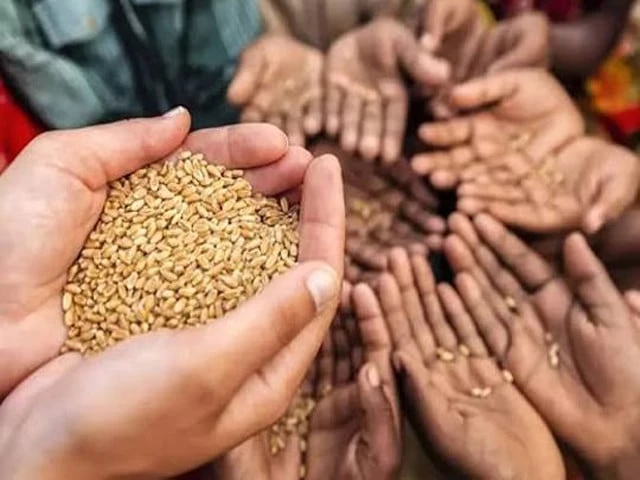
Pakistan's agriculture sector is facing one of the most complex challenges in its history. On the one side, a rapidly growing population, rising food demand, and changing consumption patterns require higher agricultural production. On the other, climate change, water scarcity, declining soil fertility, and extreme weather events are threatening the country's ability to maintain food security.
In this environment, modern farming technologies are no longer an option but a necessity. Precision agriculture, artificial intelligence, smart irrigation, climate-resilient seeds, mechanisation, and digital farming solutions offer Pakistan an opportunity to transform its agricultural landscape and build a more resilient food system.
Agriculture remains a fundamental pillar of Pakistan's economy. According to the Pakistan Economic Survey, the agriculture sector contributes around 23.5% to GDP and provides employment to nearly 37% of the country's labour force. The sector also supplies raw materials to major industries, including textiles, sugar, rice processing, and food manufacturing. However, despite its economic importance, Pakistan's agricultural productivity remains considerably lower than many comparable countries due to outdated farming practices, inefficient water use, limited mechanisation, and weak integration of technology.
The challenge of food security has become more urgent due to demographic pressures. Pakistan's population has exceeded 240 million, making it the world's fifth most populous country. Food demand is expected to increase significantly in the coming decades as urbanisation accelerates and dietary patterns change. Ensuring adequate supplies of wheat, rice, vegetables, fruits, and livestock products will require major improvements in productivity rather than simply expanding cultivated land.
Climate change has emerged as one of the biggest threats to Pakistan's agricultural future. The country is highly vulnerable to extreme weather events, including floods, droughts, heatwaves, and irregular rainfall patterns. The devastating floods of 2022 affected more than 33 million people, damaged agricultural land, destroyed livestock, and disrupted food supply chains.
Water availability represents another major challenge. Pakistan's agriculture sector consumes approximately 90% of the country's freshwater resources, yet traditional irrigation methods remain highly inefficient. The country relies heavily on flood irrigation, which results in significant water losses through evaporation and seepage. According to the Pakistan Council of Research in Water Resources (PCRWR), per capita water availability has declined from more than 5,000 cubic metres in 1951 to below 1,000 cubic metres, placing Pakistan close to the internationally recognised water scarcity threshold.
Modern irrigation technologies can play a transformative role in addressing this challenge. Drip irrigation, sprinkler systems, and precision irrigation techniques allow farmers to deliver water directly to crops according to their specific requirements. These methods reduce wastage, improve crop yields, and lower production costs. Similarly, laser land levelling technology helps ensure uniform water distribution across fields, reducing water consumption and improving productivity. Countries such as Australia, and the Netherlands have demonstrated how technology-driven water management can significantly enhance agricultural output despite limited water resources.
Digital agriculture is another area where Pakistan has significant potential. The rapid expansion of mobile connectivity provides a strong foundation for technology-based farming solutions. According to the Pakistan Telecommunication Authority (PTA), Pakistan has more than 190 million mobile phone users, creating opportunities for digital advisory services that can reach millions of farmers. Mobile applications can provide information on weather conditions, market prices, pest outbreaks, and recommended farming practices, enabling farmers to make better decisions. Precision agriculture, supported by artificial intelligence and satellite technology, is transforming farming globally. Instead of applying fertilisers, pesticides, and water uniformly across fields, precision farming allows farmers to identify the exact needs of different areas. Satellite imagery, drones, and soil sensors can monitor crop health, detect diseases early, and optimise resource use. For Pakistani farmers facing rising input costs, these technologies can improve profitability while reducing environmental damage.
Climate-smart agriculture is also becoming increasingly important. Traditional farming systems were developed under relatively predictable climate conditions, but changing weather patterns require new approaches. Research institutions, including the National Agricultural Research Centre (NARC) and provincial agricultural universities, are working on developing drought-resistant, heat-tolerant, and disease-resistant crop varieties. Expanding access to these improved seeds can help farmers maintain production despite climate-related challenges.
Pakistan's major crops require urgent technological improvement. Wheat, rice, cotton, and sugarcane remain central to the agricultural economy, yet productivity levels are often below international averages. Cotton production, once a major contributor to exports, has declined significantly due to pest attacks, climate pressures, and outdated farming practices. Similarly, rice production faces increasing competition from countries that have invested heavily in research, processing, and export quality standards. Modern seed technology, improved farm management, and better extension services are essential to restore competitiveness.
Agricultural mechanisation is another important component of modern farming. While large farms in Pakistan have adopted tractors, harvesters, and other machinery, millions of small farmers still rely on traditional labour-intensive methods. Limited access to machinery increases production costs and delays critical farming activities such as planting and harvesting. Machinery-sharing models, where farmers can rent equipment through cooperatives or private service providers, can help small farmers benefit from modern technology without bearing the full cost of ownership.
Livestock and dairy farming also offer significant opportunities for technological advancement. According to the Pakistan Economic Survey, livestock contributes more than 14% to GDP and represents a major source of income for rural households. However, productivity remains low compared with global standards due to poor animal nutrition, limited veterinary services, and outdated breeding practices. Modern technologies such as digital livestock monitoring, improved feed systems, artificial insemination, and better disease management can significantly increase milk and meat production. Reducing post-harvest losses is another critical area where technology can improve food security. Pakistan loses a substantial amount of fruits, vegetables, and agricultural products every year due to inadequate storage, transportation, and processing facilities. Developing cold-chain infrastructure, modern warehouses, and food-processing industries can reduce wastage and increase farmers' incomes. It can also help Pakistan move from exporting raw commodities towards higher-value processed agricultural products.
The writer is a member of PEC and holds a Master's degree in Engineering










This material may not be published, broadcast, rewritten, redistributed or derived from. Unless otherwise stated, all content is copyrighted © 2026 The Express Tribune.






COMMENTS
Comments are moderated and generally will be posted if they are on-topic and not abusive.
For more information, please see our Comments FAQ