Gold prices decline by Rs3,500 per tola in local market
Updated 4 hours ago

Rs1.09tr earmarked for next fiscal year, down 8% from outgoing year
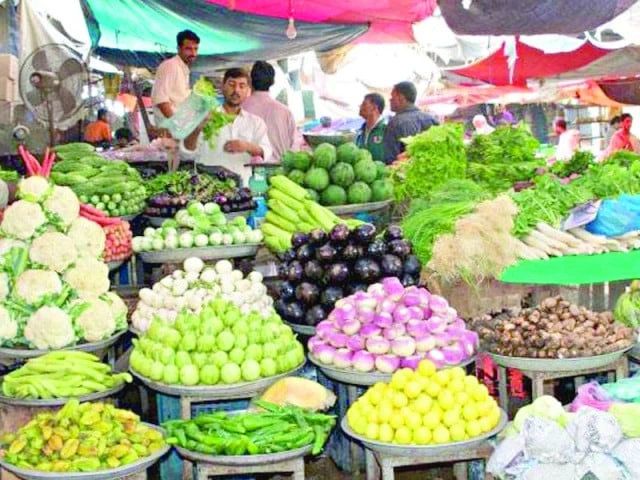
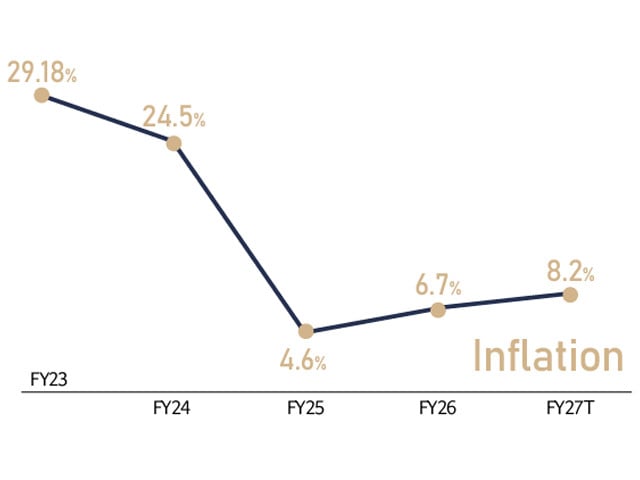
The government has decided to slash its subsidy budget by 8% for the next fiscal year 2026-27, though it is meant to shield the poor from the biting inflation.
The government had budgeted total subsidies of Rs1.186 trillion in FY 2025-26, but spending fell short of the target, reaching Rs1.157 trillion, according to the budget documents for FY 2026-27.
Now, an amount of Rs1.091 trillion has been allocated for the upcoming fiscal year, a decrease of 8% compared to the allocation of Rs1.186 trillion for the ongoing year. Of the total, the Prime Minister's Apna Ghar Programme has got Rs71 billion in FY27.
The government has not been able to spend the total subsidy on electricity consumers. Out of the budgeted subsidy of Rs1.036 trillion for the power sector in FY26, the total expenditure remained lower at Rs893.136 billion, according to the revised statistics.
In FY27, the subsidy for electricity consumers has been further reduced to Rs830 billion against the original Rs1.036 trillion in the outgoing year.
To cover the tariff differential for agricultural tube wells in Balochistan, a subsidy of Rs4 billion had been earmarked in FY26, however, it has been slashed to Rs3 billion for the upcoming year.
The actual subsidy for inter-DISCOs (distribution companies) tariff differential was set at Rs249.136 billion for FY26 and it has now been reduced to Rs248 billion for FY27.
The subsidy for the merged districts of Khyber-Pakhtunkhwa (the erstwhile Fata) stands at Rs34 billion for FY27, lower than Rs40 billion set aside in FY26, show budget documents.
However, the tariff differential subsidy for Azad Jammu and Kashmir (AJK) has gone up to Rs81 billion for the new fiscal year against the budgeted Rs74 billion in FY26. The subsidy for the Pakistan Energy Revolving Fund stays unchanged at Rs48 billion.
The provision of subsidy to K-Electric for tariff differential has been increased to Rs163 billion, which is markedly higher than the allocation of Rs125 billion in FY26. The subsidy to KESC for agricultural tube wells in Balochistan remains unchanged at Rs1 billion for the next fiscal year.
Payments to the independent power producers (IPPs) were budgeted at Rs95 billion in FY26 and later pushed upwards to Rs200 billion, according to the revised budget estimates. However, no funding has been earmarked in this regard for FY27.
The allocation for curbing circular debt stands at Rs252 billion for FY27, which is Rs100 billion higher than FY26. In the outgoing year, the lump sum provision of power subsidy (circular debt) was estimated at Rs400 billion, which later dropped to Rs152 billion.
Petroleum subsidy had been estimated at Rs1.2 billion for the current financial year, but no allocation has been made under this category for FY27.
The shortfall in the guaranteed throughput of Pakistan Electric Power Company (Pepco) was budgeted at Rs1.2 billion and later revised to Rs1.18 billion, with no allocation for FY27.
The re-gasified liquefied natural gas (RLNG) subsidy for the industry, including zero-rated exporters falling within the jurisdiction of Sui Northern Gas Pipelines Ltd (SNGPL), stood at Rs17 million for the ongoing financial year, but nothing has been set aside for the next year.
Food subsidy for the Pakistan Agricultural Storage and Supplies Corporation (Passco) has been reduced to Rs19 billion for FY27 compared to the revised budget of Rs20 billion in FY26. Of the total, the Passco subsidy for wheat reserves has gone down to Rs9.5 billion against Rs14 billion in FY26.
However, the Passco subsidy for cost differential in wheat sales has risen to Rs9.5 billion compared to Rs6 billion in FY26.
The provision of subsidy to industries and production has been increased to Rs37 billion for FY27 against the budgeted Rs24 billion, later revised to Rs12.193 billion, a year earlier.
An allocation of Rs5.8 billion has been proposed for the production and supply of urea by fertiliser plants while the subsidy or incentive for the electric vehicle scheme has been slashed to Rs8 billion, which is Rs1 billion lower than Rs9 billion in FY26.
To cover the arrears of Utility Stores Corporation (USC), a budget allocation of Rs23 billion has been proposed for FY27. The USC subsidy for sugar-related arrears was budgeted at Rs15 billion in FY26 but actual spending fell to Rs3.193 billion, with no allocation for FY27.
Other subsidies were budgeted at Rs104.7 billion for FY26, but were revised to Rs230.5 billion. Now, this category has been allocated Rs205 billion for the next year.
Wheat subsidy for Gilgit-Baltistan has been slashed to Rs15 billion compared to Rs20 billion in FY26 whereas the subsidy on imported urea has been cut to Rs10 billion against Rs15 billion in FY26.
The subsidy for the Naya Pakistan Housing Authority was targeted at Rs1 billion in FY26 while the Mera Pakistan Mera Ghar Scheme (markup subsidy on housing finance) has been allocated Rs5 billion in FY27.
The markup subsidy and risk-sharing scheme for the farm mechanisation and Kissan package amounted to Rs7 billion in FY26, which has now been reduced to Rs5 billion for FY27.
The refinance and credit guarantee scheme for the SME Asaan Finance had been allocated Rs1 billion in FY26 and it remains the same for the upcoming year. The subsidy for enhancing financing to the SME sector has been cut to Rs2 billion versus the estimate of Rs5.4 billion for FY26.
The markup subsidy to support the phasing out of State Bank's refinancing facilities and export refinance schemes has been increased to Rs88 billion compared to the budgeted Rs30 billion in FY26.
The provision for gas schemes in the 5km radius was budgeted at Rs3 billion in FY26 but it has now been reduced to Rs1 billion for FY27. The EFS enhancing plan and related scheme was budgeted at Rs5 billion in FY26 with no allocation for the next fiscal year. Metro Bus subsidy was set at Rs7.3 billion in FY26, which was later revised to Rs6.976 billion. For FY27, it has got a subsidy of Rs5 billion.








This material may not be published, broadcast, rewritten, redistributed or derived from. Unless otherwise stated, all content is copyrighted © 2026 The Express Tribune.






COMMENTS
Comments are moderated and generally will be posted if they are on-topic and not abusive.
For more information, please see our Comments FAQ