Urwa Hocane says 'anytime someone says back off and you don't, it is harassment'
Updated 2 hours ago

Mass resignation of jury deepens crisis days before opening
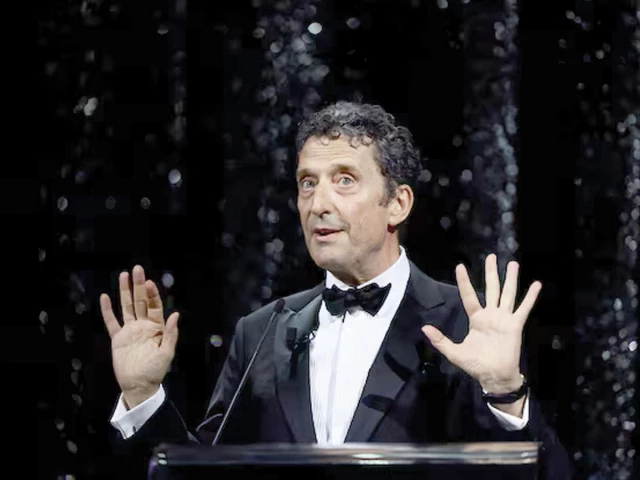
Days before its grand opening, the Venice Biennale finds itself engulfed in a crisis that has exposed the fragile boundary between artistic autonomy and political reality.
The sudden resignation of its entire jury has left one of the world's most prestigious art exhibitions facing uncertainty at a critical moment.
The five-member panel stepped down after announcing it would not award artists from Russia or Israel, citing "the defence of human rights." The move, unprecedented in the Biennale's history, quickly ignited backlash and legal threats, turning an already tense situation into a full-blown institutional rupture.
At the centre of the dispute lies a broader geopolitical fault line. The exclusion was tied to ongoing conflicts involving both nations, with reference to international legal actions against their leaders. Critics, however, argued that such decisions risk politicising a platform long seen as a space for creative dialogue rather than ideological judgement.
Organisers have refrained from criticising the jury, emphasising its "full autonomy and independence," yet the fallout has forced immediate changes. The awards ceremony has been postponed until November, and visitors will now be invited to select their favourite artists - an attempt to shift authority from jurors to the public.
The controversy has also drawn scrutiny from political institutions. Italian authorities have questioned the Biennale's decision-making processes, while European officials have hinted at financial consequences linked to the participation of Russia.Biennale President Pietrangelo Buttafuoco has defended the exhibition's ethos, insisting it must remain "a space of coexistence for the whole planet." Yet the events of recent days suggest that such neutrality is increasingly difficult to sustain. With the opening imminent, uncertainty lingers over how - or whether - awards will be decided, and whether previously excluded artists will be reconsidered. What is clear is that the Biennale, long a celebration of artistic plurality, has become a stage for a different kind of performance - one where art and politics are no longer easily separated.



This material may not be published, broadcast, rewritten, redistributed or derived from. Unless otherwise stated, all content is copyrighted © 2026 The Express Tribune.

COMMENTS
Comments are moderated and generally will be posted if they are on-topic and not abusive.
For more information, please see our Comments FAQ