‘NAPA Repertory Festival’ concludes with musical finale
Updated 1 hour ago

Actor says men often notice mothers' moments of frustration without recognising stress that leads to them
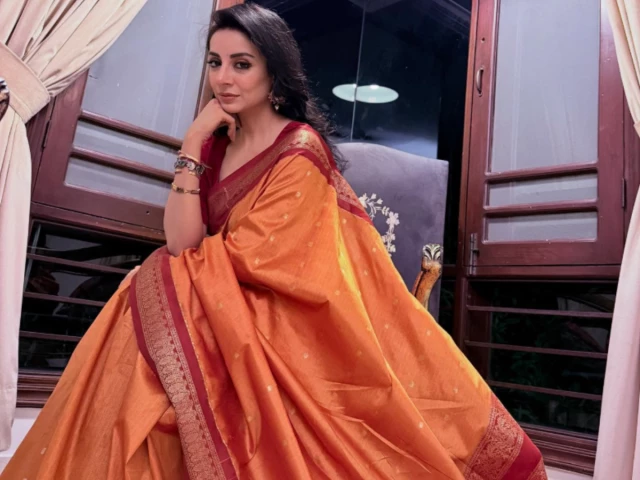
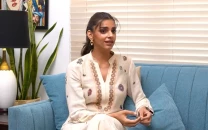
Actor Sarwat Gilani recently weighed in on parenting dynamics, calling for a more balanced approach to raising children and urging fathers to play a more active role at home.
Speaking at a morning show, Gilani noted that mothers are often perceived as strict, but that image overlooks the reality of their day-to-day responsibilities. From managing meals and schoolwork to handling discipline and emotional needs, much of the invisible labour falls on them.
The actor noted that by the end of the day, it is only natural for mothers to feel exhausted or lose patience, given the constant demands they navigate. However, she said many fathers tend to notice only these moments of frustration without fully recognising the stress that leads up to them.
She stressed that parenting should not be seen as a one-sided responsibility. If roles were reversed, even briefly, many men would find it difficult to cope with the same level of pressure, Gilani said.
Encouraging a shift in mindset, the actor urged men to acknowledge and appreciate their partners’ contributions, not just privately but also in front of their children. Such gestures, she said, help build mutual respect within the household.
Reflecting on fatherhood, Gilani also observed that a man’s parenting style is often shaped by his own upbringing. Emotional distance or disengagement, she said, can sometimes stem from unresolved patterns within the family.
She further touched on the emotional dynamics between mothers and sons, noting that placing excessive emotional reliance on children can impact how they later navigate their own roles as parents.
Gilani's remarks have resonated online, with many praising the conversation around shared responsibility and the realities of modern parenting.






This material may not be published, broadcast, rewritten, redistributed or derived from. Unless otherwise stated, all content is copyrighted © 2026 The Express Tribune.





COMMENTS
Comments are moderated and generally will be posted if they are on-topic and not abusive.
For more information, please see our Comments FAQ