
The room was never designed for ambition. It has a few rows of ageing computers, their screens glowing in a dimly lit space, fans whirring louder than the voices around them. Someone shouting instructions, someone else arguing over a missed shot, a queue forming behind a chair as another hour came to an end. Time here moved quickly. You paid, you played, you lost, and you tried again.
Across cities like Karachi, Lahore and Islamabad, these small gaming zones became more than just places to pass time. For many, they were the first real introduction to competition. It was in spaces like these that players such as Arslan Ash and Sumail Hassan first developed their craft, without any coaches, or a structured system. They honed their skill through repetition, instinct, and the constant presence of someone better sitting a few seats away.
Over time, these gaming spaces began to fade. As internet access improved, gaming shifted to mobile screens, and many cafes shut down. The crowds thinned, and the culture that once filled these rooms slowly moved into homes. Gaming became more individual, more accessible, but also more isolated.
Now, that shift appears to be turning again.
A new version of these spaces is beginning to emerge. The cramped rooms have been replaced, in some areas, by more refined setups. High-performance PCs, console stations, and even racing simulators are finding their way into dedicated esports hubs. The environment looks different, but the intent feels familiar. Players are still chasing improvement, still measuring themselves against others.
For beginner-level Valorant players, like Asad Laiq, the experience has not changed as much as it seems. “In a cafe, everyone is focused,” he says. “There’s pressure. That environment helps a lot in improving.”
What has changed, however, is everything around that gaming chair. The talent has always been there, but the system to support it has not. There are no academies, and little consistency in tournaments or exposure. Even today, players are largely dependent on shared spaces, unstable internet connections, and their own persistence to move forward.
If that missing layer were to exist, the impact could be immediate. The same spaces that once introduced players to competition could evolve into proper training grounds, feeding into leagues, organisations, and eventually international stages. The journey from a neighbourhood cafe to a global arena would no longer depend on chance or individual struggle, but on a system designed to carry players forward.
For now, that system remains incomplete. And so, for many, the journey still begins in a chair across a shared screen.
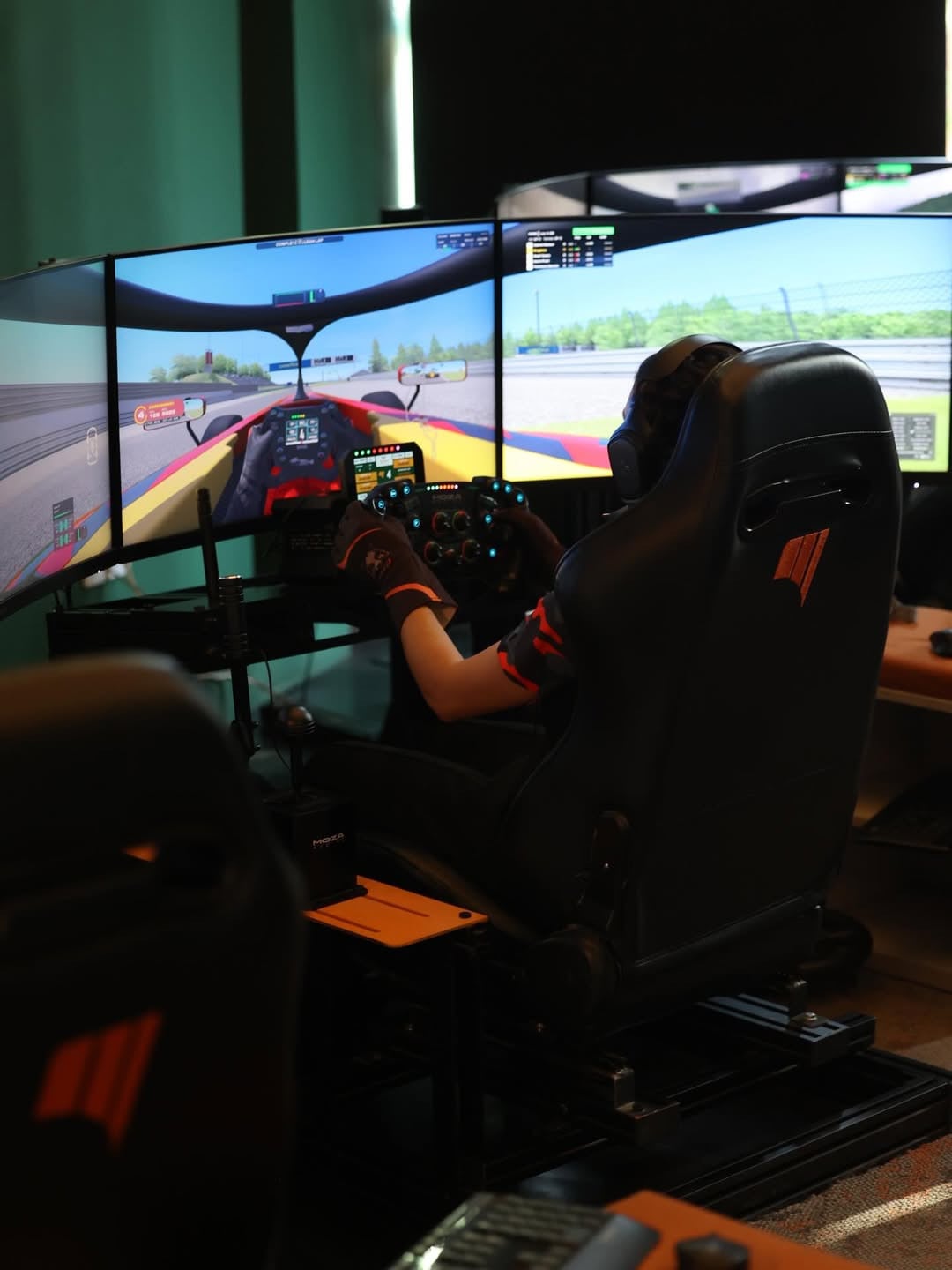
Where it begins
Even today, for most players trying to move beyond casual gaming, access remains the first barrier. High-end systems, stable internet, and the right environment are not easily available at home. That is where cafes continue to play their role. As Danyal Chishty, Founder of a Lahore-based esports company, explains, the starting point has not shifted as much as one might expect. The journey, he says, still usually begins in local gaming cafes, where players move from playing casually to taking competition seriously.
For some, that shift is less a choice and more a necessity. Ibrahim, who now plays at a competitive level, traces his own journey back to a similar setting. He started playing in a gaming cafe because he could not afford a proper system at home. Over time, the hours spent there, competing against better players, translated into improvement and eventually an opportunity to join a team.
However, in some cases, the cramped gaming rooms are being reimagined with a different purpose. According to a Karachi-based esports hub owner Shehzad Akber, cafes were never originally designed for performance. They were merely places to gather, to play, to compete informally. The newer setups are introducing better equipment, more structured environments, and a different kind of intent.
That transition is still uneven and traditional gaming zones continue to operate much as they always have.
The grind
For most players, the shift from playing for fun to taking the game seriously does not happen overnight. It builds slowly, often without a clear moment of decision. A few extra hours at a cafe. A few better players to compete against. A growing sense that this could be more than just a way to pass time.
For Laiq, that shift began when playing at home no longer felt enough. He had started casually, like many others, mostly on mobile. But without access to a proper setup, he found himself returning to a nearby gaming cafe. “That’s where I actually started taking it seriously,” he says. “At the cafe, I saw better players, and that pushed me to improve. Before that, I didn’t really know what competitive gaming looked like.”
At a more competitive level, the structure becomes slightly clearer, but the challenges remain. Ibrahim, the team lead of team Flex esports that plays first-person shooting games, describes a routine that becomes more intense as tournaments approach, with teams practising daily for several hours. But even then, the setup is far from ideal. Without sponsorships or the ability to bring players together physically, practice continues remotely. “Since most players are from different cities and teams are often unsponsored, they cannot afford bootcamps,” he says. “As a result, practice is typically done from their homes.”
In between these routines sits a common ambition: the desire of going professional, of competing at a higher level. “I think a lot of players here want to go pro,” Laiq says. “But it’s not very clear how to get there. You just keep playing, improving, and hope you get noticed somehow.”
That uncertainty does not mean the path does not exist. For some, it has worked. Ibrahim gives his own example as proof that progress is possible, even from limited beginnings. “It is absolutely possible to build a professional career starting from a gaming zone,” he says.
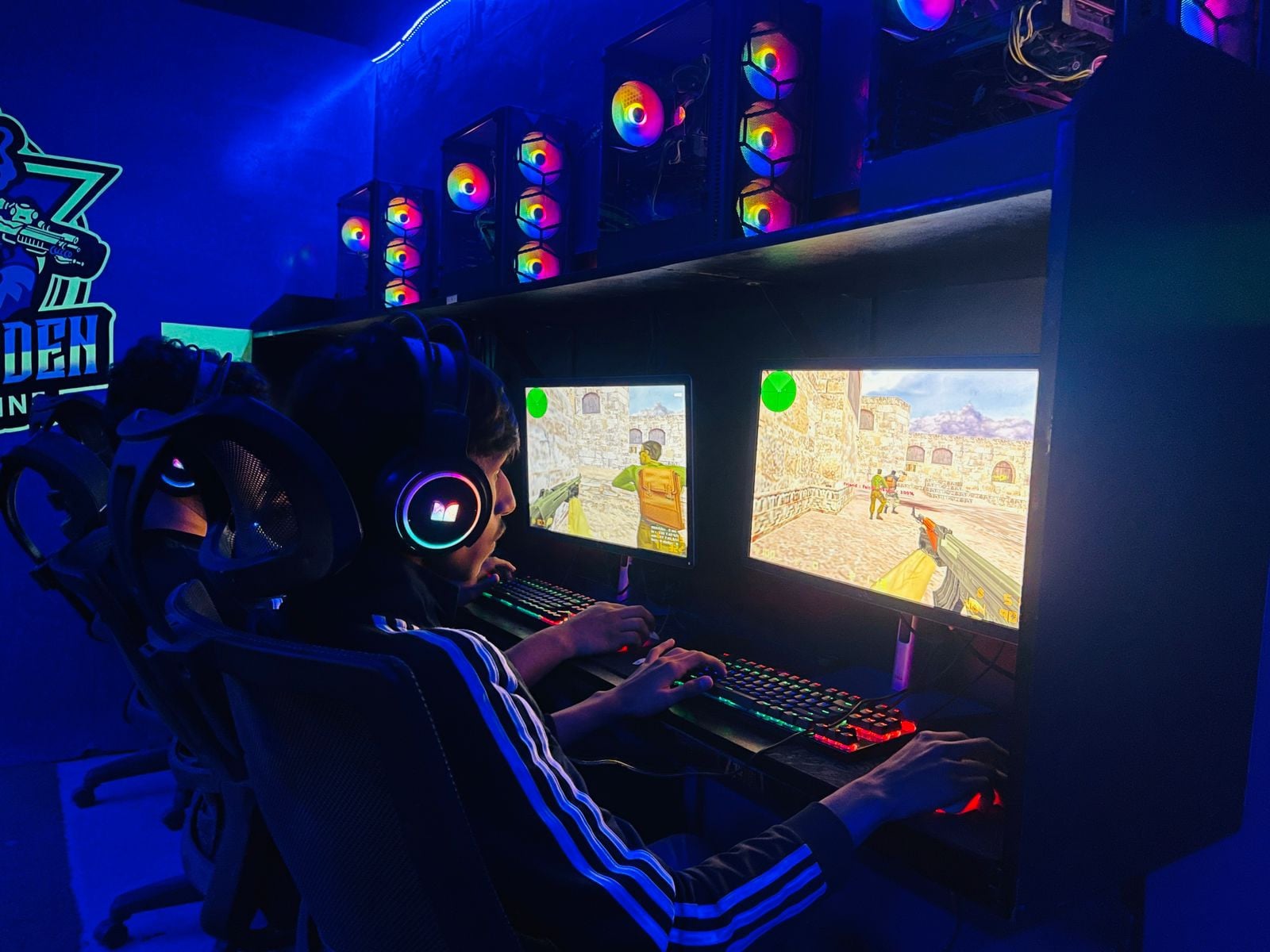
The shift
For a long time, gaming cafes were seen as places to gather rather than places to improve. You went there to play with friends, to pass time, or to compete in the moment. What happened inside those rooms rarely translated into something more structured. That perception is beginning to change.
According to Akber, who runs an esports hub in Karachi, the difference lies in intent. “Cafes have always been there, but they were built around access, not performance,” he explains. “We wanted to create a space where the focus shifts from just playing to actually improving.” In that shift, the environment starts to matter as much as the game itself. It is no longer just about logging hours, but about how those hours are spent.
“The biggest difference we see is in consistency and control,” Akber says. “At the start, most users struggle with basic handling, but over time, regular players start understanding racing lines, braking points, and overall race discipline. It becomes less about reacting and more about anticipating.” The longer a player stays in that environment, the more deliberate their approach becomes.
For players, the value of these spaces often comes from the people around them. Ibrahim describes cafes as an early stage of learning. There is still a gap between playing and training. Most cafes are not structured in a way that supports long-term development, and improvement often depends on individual effort. But the shift, however gradual, is evident.
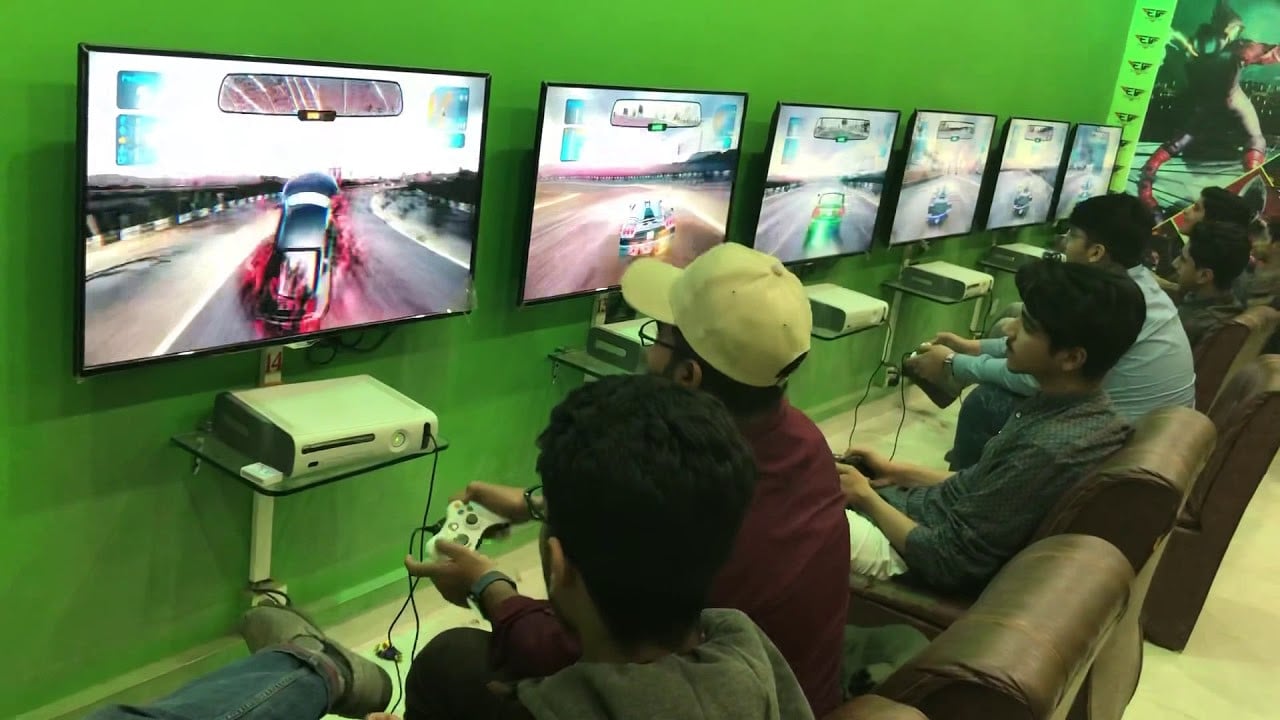
The gap
If cafes are where the journey begins, they are also, for many, where it slows down.
The progression from casual play to competitive gaming exists in theory. Players improve, form teams, and begin to compete locally. But moving beyond that stage is where the process starts to break. Not because the skill is not there, but because the system around it is incomplete.
At the player level, the frustration is immediate. “You hear about players making it, but for most of us, the path is not clear,” says Laiq. “It feels more like having luck or connections than a proper system.” The effort continues, but without direction. Over time, that uncertainty begins to weigh on players who are trying to take it seriously.
Beyond infrastructure, players also point to the absence of institutional support. Ibrahim believes that recognition at a national level could change how players are treated and supported. He argues that esports players need to be recognised as athletes, with easier access to visas and documentation for international events. At the same time, he highlights the lack of sponsorship and branding opportunities, noting that without visibility and financial backing, even the most skilled players struggle to sustain themselves in the long run.
That drop-off is not always visible, but it is constant. At the infrastructure level, the issue becomes one of continuity. Spaces like gaming cafes and esports hubs provide an entry point, but they are not connected to a larger system that can carry players forward. “There’s no clear pathway for a player to follow,” says Akber. “Spaces like ours can help players develop the initial skill and mindset. From there, they need tournaments, organisations, and exposure to take the next step. Right now, those pieces exist, but they’re not fully connected.
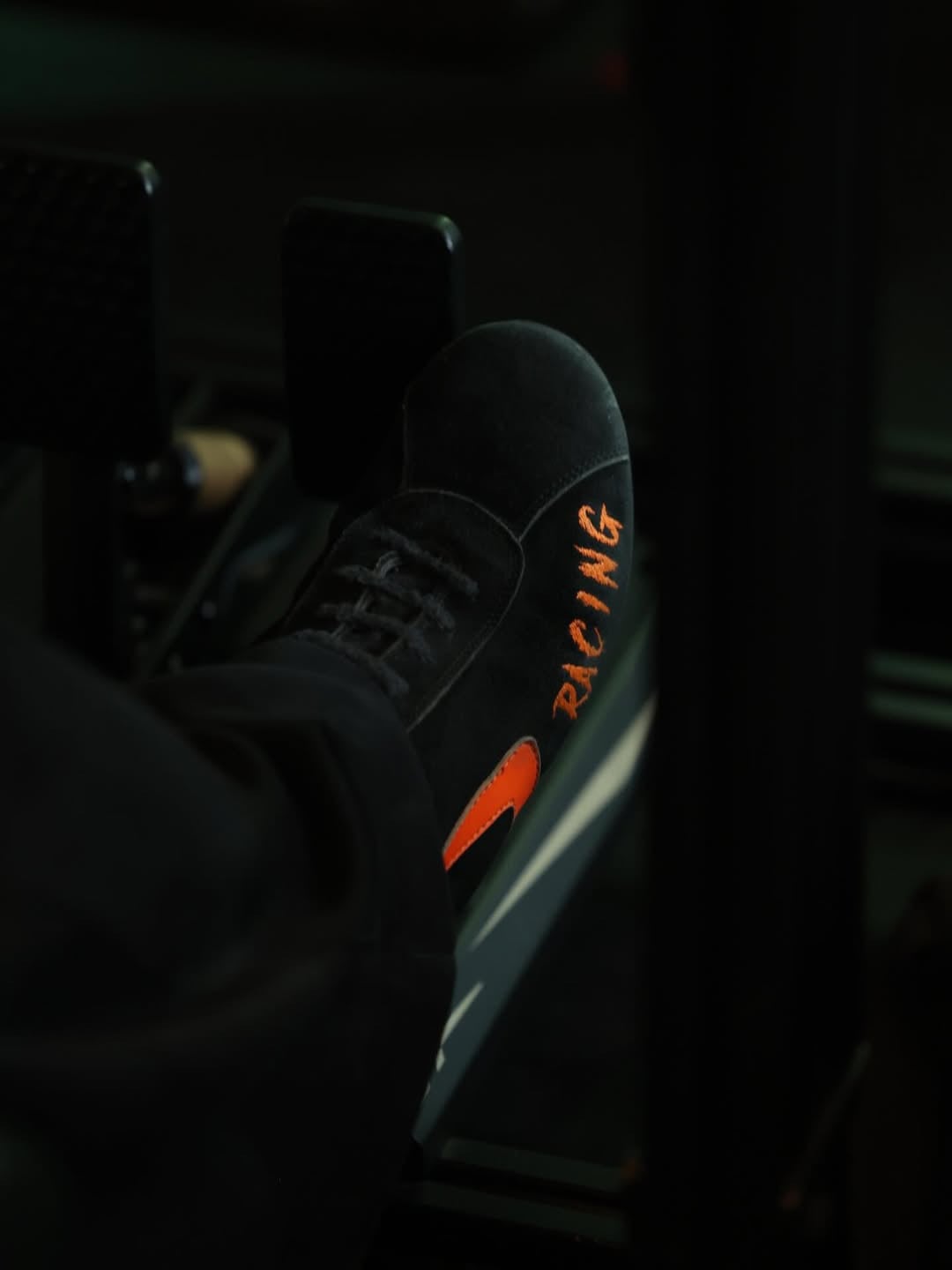
The bridge and the future
Many organisations are attempting to create some form of continuity between local talent and higher levels of competition. The focus, according to Chishty, has been on introducing a level of consistency that the local scene has historically lacked. By hosting events and building competitive platforms, the aim is to give players a space where their skills can be tested beyond informal settings, and where performance can translate into recognition.
That effort, however, is still part of a larger transition. There is also a gradual shift in how gaming spaces themselves are being viewed. The idea of cafes evolving into more structured environments is no longer distant. Chishty believes the model can change, but it requires support.