
The influence wielded by modern newsrooms extends far beyond the mere transmission of data. It is the very architecture upon which national perception and international diplomacy are constructed. In an era where a single inflammatory headline can ignite a border skirmish, the media functions as either a stabilising anchor or a catalyst for chaos. This weight of responsibility was never more evident than during the recent Islamabad Peace Talks, where the world watched with bated breath as two seemingly irreconcilable adversaries, the US and Iran, converged in Pakistan’s capital city, Islamabad. At this critical juncture, the media was not merely an observer but a strategic participant in the peace process. Unlike the traditional role of reporting events after they occur, the press in this instance acted as a sophisticated gatekeeper of stability, ensuring that the delicate threads of negotiation w]ere not unravelled by the premature leak of sensitive details or the toxic intrusion of partisan speculation. By prioritising national interest over the relentless pursuit of clickbait, the fourth pillar of the state demonstrated that a free press is most powerful when it exercises a measured, self-imposed discipline in the service of global harmony.
This mature performance stands in stark and necessary contrast to the belligerent theatrics witnessed during the 2025 Pakistan-India standoff, where the regional media landscape was scarred by a different kind of journalism. During that crisis, the world witnessed the dangerous descent of the Indian media apparatus into a factory of fabricated narratives and digital jingoism. Rather than de-escalating a nuclear-armed confrontation, many prominent outlets across the border prioritised state-sponsored misinformation, broadcasting unverified footage and manufacturing "surgical" victories that existed only in the realm of computer-generated graphics. This calculated manipulation of public sentiment in 2025 served to heighten the risk of miscalculation between two nuclear powers, proving how easily the press can be weaponised to fuel domestic populist agendas at the cost of regional security. The legacy of that period remains a cautionary tale of how a lack of editorial integrity can transform a newsroom into a war room, effectively blinding the public with a shroud of hyper-nationalist rhetoric that obscures the grim reality of conflict.
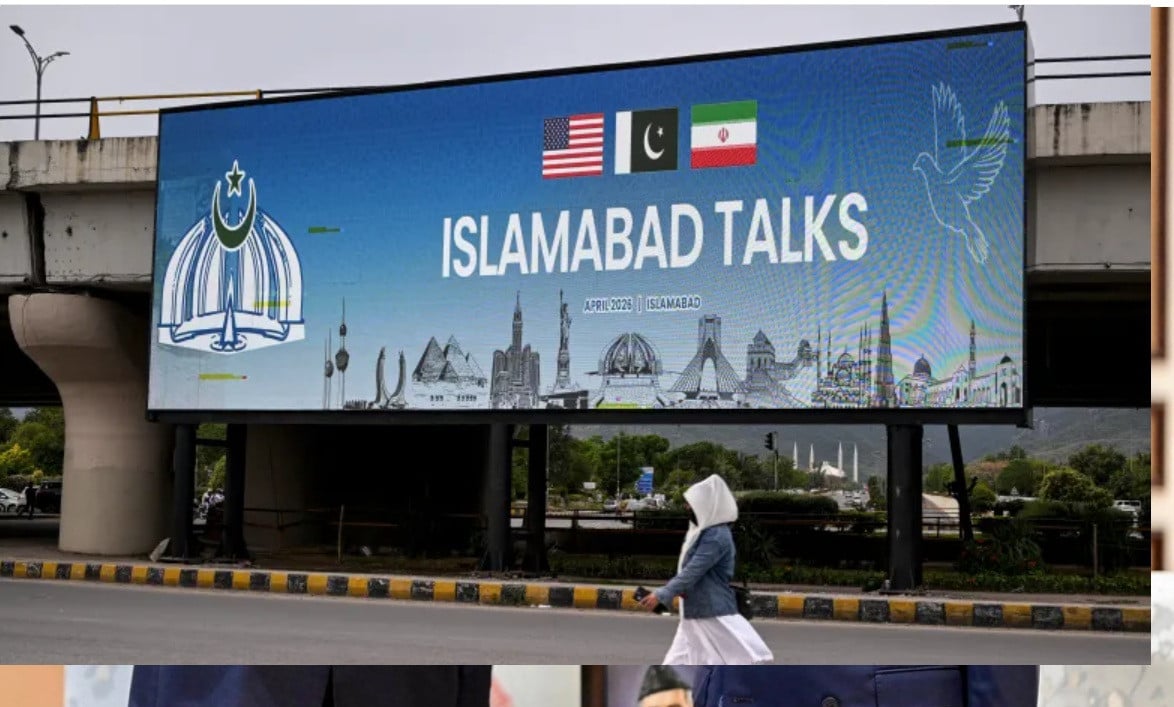
In a remarkable shift of professional trajectory, the Pakistani media’s conduct throughout the Iran-US dialogue in Islamabad provided a masterclass in diplomatic reporting and constructive engagement. While foreign networks often succumb to the temptation of framing Islamabad through the narrow lens of volatility, domestic newsrooms seized this opportunity to rebrand the nation as the "Oslo of the East." There was a visible, concerted effort across major networks to shift the focus from the mechanics of war to the potential of a "Grand Bargain." By highlighting the logistical sophistication and the serene atmosphere of the Jinnah Convention Centre, the media successfully projected Pakistan’s capability as a world-class facilitator. This was not merely about optics; it was about creating a psychological safe space for the negotiators. When the media chooses to highlight the "diplomatic bridge" rather than the "sectarian divide," it fundamentally alters the atmosphere in which high-stakes decisions are made, allowing for a level of trust that is impossible to achieve under the glare of hostile or sensationalist reporting.
The success of this media strategy was further tested by the massive influx of international journalists who descended upon the capital, eager to break the silence of the closed-door sessions. Despite the immense pressure from global outlets and the constant presence of foreign correspondents looking for any crack in the diplomatic facade, Pakistan maintained an impenetrable wall of confidentiality until the very conclusion of the summit. This ironclad discipline ensured that not a single sensitive detail or classified agenda point was "outed" prematurely, a feat that surprised many seasoned global observers. Journalists and anchors, who are often criticised for their boisterous nature, adopted a tone of "managed transparency," respecting the Foreign Office’s request for confidentiality while still keeping the public informed of the broader milestones. This ethical restraint prevented the spread of spoilers those external actors who benefit from the continuation of the Iran-US conflict from gaining a foothold in the public consciousness, ensuring that the internal consensus within Pakistan was presented as a unified and unwavering front for peace.
Ultimately, the role played by the Pakistani media during the historic talks serves as a definitive rebuttal to the cynical view that conflict sells better than cooperation. As the diplomatic machinery now prepares for the highly anticipated Round 2 of the talks, the media’s role becomes even more pivotal. The coverage of the first phase did more than just report on peace; it actively helped to manufacture it by aligning public opinion with the imperatives of regional stability. This evolution from the reactive reporting of the past to the proactive peace-building of the present marks a significant milestone in the history of the nation’s journalism. It proves that when the media operates with a sense of historical purpose, it can transcend its role as a mirror of society and become a beacon that guides it toward a more secure future. As preparations for the second round begin, the enduring takeaway is that a responsible press is the ultimate defense against the "fake narratives" of the past and the most potent tool for the diplomacy of the future.
The writer is an independent researcher and can be reached at omayaimen333@gmail.com
All facts and information are the sole responsibility of the writer