LHC upholds end of free electricity perk
Updated 26 minutes ago

Higher outflow results in addition of 2,300MW in hydropower generation
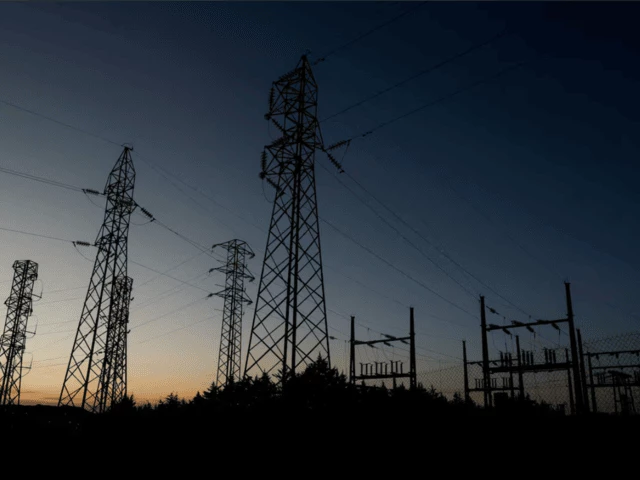
The electricity situation in the country improved during the night between April 16 and 17 due to increased water releases from dams, which led to a significant rise in hydropower generation and a notable reduction in load management hours across the country.
According to the spokesperson of the Power Division, water discharge from dams increased to 30,000 cusecs, compared to 8,000 cusecs released the previous night.
The higher outflow increased hydropower generation by about 2,300 megawatts (MW). Hydropower production, which stood at 1,800MW the previous night, rose to 4,100 MW due to the increased water releases.
The spokesperson added that the rise in hydropower generation also facilitated the transmission of approximately 400MW of electricity from the south to centre and north, as improved supply in the central system helped reduce stability issues.
He further noted that increased water demand from farmers could lead to additional gains in hydropower generation. As a result of improved generation, load management hours decreased significantly, dropping from less than six hours to around 2.5 to 3 hours.
The spokesperson expressed optimism that the early availability of LNG and further increases in hydropower generation would help eliminate the temporary issue of load management.
The country on Wednesday faces a worsening electricity crisis, with the overall power shortfall reaching 6,500MW. This led to prolonged load shedding across multiple regions and growing public frustration.
On that day, the total electricity demand surged to around 22,000MW, while generation remained limited to 15,400MW. The energy mix included 1,500MW from hydropower, 9,250MW from thermal sources, 1,200MW from wind, 2,850MW from nuclear, 400MW from solar, and 200MW from bagasse.
The widening gap between supply and demand resulted in 8 to 16 hours of load shedding in various parts of the country. In the Lahore Electric Supply Company (Lesco) region, unannounced load shedding continued throughout the night.
Lesco reportedly faced a 1,000MW shortfall, with nighttime demand reaching 2,900MW. Urban areas experienced frequent hourly outages, while rural areas saw outages exceeding eight hours. Complaints of low voltage have also increased.
Officials noted that electricity demand drops during the day due to solar usage, but load shedding intensifies in the evening hours. The government on Wednesday apologised to power consumers for higher than promised "load management" arising from lower water availability for power generation.
In a statement, the Power Division said it was "apologising for the additional load management necessitated by reduced hydropower availability." A spokesman also urged consumers to conserve electricity, particularly during nighttime hours, and to adopt energy-saving practices.














This material may not be published, broadcast, rewritten, redistributed or derived from. Unless otherwise stated, all content is copyrighted © 2026 The Express Tribune.






COMMENTS
Comments are moderated and generally will be posted if they are on-topic and not abusive.
For more information, please see our Comments FAQ