Impersonator caught taking exam
Updated 13 hours ago

.
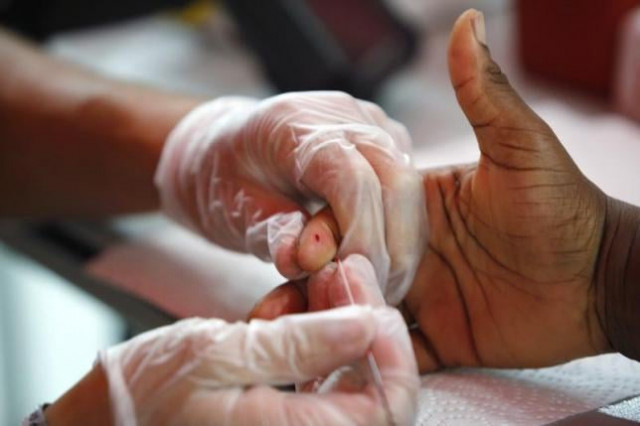
Premature babies in Pakistan are losing their sight at rates far above global averages. As a treatable eye condition, retinopathy of prematurity (ROP), continues to go undetected across large parts of the country, according to data compiled by Al-Shifa Trust Eye Hospital.
ROP develops when abnormal blood vessels grow in the retina of premature infants, which can lead to permanent blindness. Although timely screening and treatment can prevent most cases, access to ROP services remains limited, with only a small number of hospitals offering consistent screening.
Pakistan recorded an estimated 921,600 preterm births in 2020, placing it among the highest globally. The country's preterm birth rate of 14.4 per cent ranks Pakistan fourth worldwide in total preterm births and third in neonatal deaths.
Clinical studies show that 32.2 per cent of eligible premature infants in Pakistan develop ROP, nearly double the 12 to 18 percent reported in high-income countries. A 2025 study published in BMC Ophthalmology linked the higher burden to improved survival of premature babies without a parallel expansion in screening and treatment capacity.
Infrastructure shortages remain a major obstacle. In Peshawar, only two of seven neonatal intensive care units with ophthalmology services had staff capable of conducting ROP screening. In Balochistan, surveyed NICUs lacked essential screening equipment. At Lahore General Hospital, researchers found that only 46.7 per cent of 3,521 eligible infants were screened between 2015 and 2021.
Untreated ROP can have severe consequences; one study found that 76.4 per cent of affected children became completely blind, while 23.6 per cent developed severe visual impairment.



This material may not be published, broadcast, rewritten, redistributed or derived from. Unless otherwise stated, all content is copyrighted © 2026 The Express Tribune.






COMMENTS (1)
Comments are moderated and generally will be posted if they are on-topic and not abusive.
For more information, please see our Comments FAQ