Shehbaz praises visionary leadership of China's Xi
Updated 50 minutes ago

Punjab govt grapples with deepening energy crisis
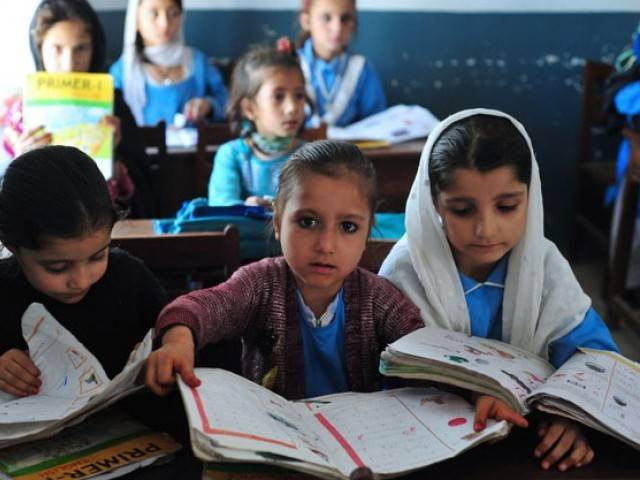
The Punjab government is expected to extend school holidays across the province until April 15 as part of urgent measures to cope with the ongoing energy crisis.
The move likely to apply to both government and private institutions is aimed at reducing fuel consumption and easing pressure on the electricity system.
According to officials in Punjab Schools Education Department, the proposal has gained strong backing from the energy department, which has advised limiting non-essential activities to conserve resources. The educational institutions had been initially closed from March 10 to 31, but the worsening situation has forced authorities to consider prolonging the holidays for two weeks.
The most populous province consumes a significant share of the country's energy. Daily transportation of millions of students, teachers and other staff contributes heavily to fuel usage, while the operation of school buildings adds to electricity demand. Officials believe that extending the school closures will help cut down both fuel and power consumption at a critical time.
The ongoing crisis has been driven by rising petroleum prices, limited foreign exchange reserves and challenges in maintaining steady fuel imports. As a result, the provincial government has been exploring multiple strategies to manage demand and avoid further strain on available resources.
In addition to extending school holidays, authorities are also considering other steps such as reducing working hours in markets, encouraging work from home policies and discouraging unnecessary travel. There are also discussions about limiting large gatherings and cutting down on excessive electricity usage in commercial areas.
However, the proposed extension has raised concerns within the private education sector. Representatives of private schools argue that prolonged closures are disrupting academic schedules and creating financial challenges. Many private institutions rely on monthly fees to sustain operations and extended holidays often result in delayed payments, making it difficult to manage staff salaries and administrative expenses.
Private school owners also said repeated closures negatively affect students' learning continuity.
While some institutions have the capacity to shift to online classes, a large number, particularly smaller set-ups, lack the infrastructure to effectively offer digital education. This puts the students at a disadvantage compared to those of better-equipped institutions.
Despite these concerns, some parents expressed support for the government's decision, emphasising the importance of addressing the energy crisis.
A father in Lahore, Salman Ahmad, said saving fuel and electricity should be the top priority at this stage, adding that temporary holidays are a small sacrifice if they help stabilise the situation and prevent economic difficulties.
Education experts warn that while such measures may provide short term relief, they also risk widening the gap between students from different socioeconomic backgrounds.
Those with access to online learning tools may continue their studies, while others could fall behind.
The impact of the energy crisis is being felt across Punjab, affecting businesses, transport and household activities.
Rising fuel costs have already increased the financial burden on citizens and further disruptions could deepen economic challenges.
Officials maintain that the extension of school holidays is a temporary step and will be reviewed based on the evolving situation.





This material may not be published, broadcast, rewritten, redistributed or derived from. Unless otherwise stated, all content is copyrighted © 2026 The Express Tribune.












COMMENTS (5)
Comments are moderated and generally will be posted if they are on-topic and not abusive.
For more information, please see our Comments FAQ