Terror: Afghan nexus in Balochistan unmasked
Updated 7 hours ago

Afridi declares governments must absorb economic pain internally before passing it on to citizens
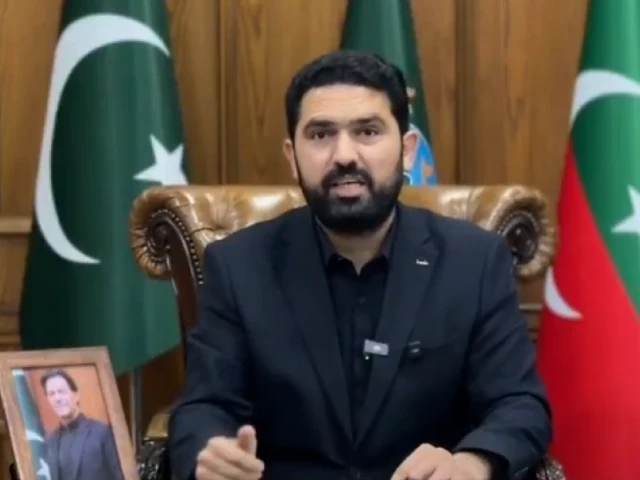
Khyber-Pakhtunkhwa Chief Minister Muhammad Sohail Afridi declared on Monday that governments must absorb economic pain internally before passing it on to citizens, announcing a sweeping two-month Fuel Conservation and Responsible Governance Initiative amid surging global petroleum prices.
Speaking to the provincial Cabinet, Afridi insisted that fiscal discipline should begin with slashing non-essential protocol expenses, institutional privileges, and elite luxuries rather than burdening ordinary households. "Historically, economic pressures in Pakistan have hit the common man hardest," he said. "Public institutions must lead by example, through internal austerity, accountability, and prudent resource use, before asking citizens to tighten their belts further."
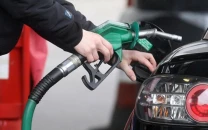
The Chief Minister singled out recent fuel price hikes, urging careful consideration of any policy that disproportionately affects vulnerable groups. He reaffirmed the government's resolve to prioritise public relief and economic stability, vowing to resist measures that impose undue hardship on citizens.
Recalling the Covid-19 crisis, Afridi praised the targeted relief packages rolled out under former Prime Minister Imran Khan, which cushioned vulnerable families, small businesses, and the wider economy while earning global recognition for balancing health imperatives with resilience.
The cabinet endorsed the Fuel Conservation Initiative to curb non-essential consumption without disrupting essential economic activity, Eid travel, or agricultural operations. Key measures include a 25 per cent cut in fuel quotas for official vehicles (with exemptions for police, rescue, and emergency services), drastic reduction of VIP convoys, and restriction of official helicopter use to genuine emergencies only.
Digital governance will be accelerated: all feasible provincial and district meetings will shift to virtual platforms such as Zoom, the e-Office system will become mandatory for file movement (now extended to Commissioners and Deputy Commissioners), and up to 50 per cent work-from-home arrangements will be introduced where practical. Inter-district travel will be minimised, routine coordination moved online, and non-essential procurement, furniture, equipment, curtailed.
Educational institutions will close on Fridays, courts and universities encouraged to adopt virtual or hybrid models, and staggered office hours promoted to ease traffic congestion. Urban areas will see curbs on excessive decorative lighting in markets.







This material may not be published, broadcast, rewritten, redistributed or derived from. Unless otherwise stated, all content is copyrighted © 2026 The Express Tribune.




COMMENTS
Comments are moderated and generally will be posted if they are on-topic and not abusive.
For more information, please see our Comments FAQ