
The only way kids of the 1980s and 1990s knew how to reach a neighbourhood friend was to stand outside their house and call out their name. If you were lucky, your friend would shout back in reply. Sometimes a calm, obliging sibling would appear at the window instead, announcing whether your friend was home or not. But sometimes, a parent would appear at the window, balcony or door. The following dialogue would then take place, minus or plus a few things or names here and there:
“Aunty, is so and so home?”
“Yes, but he is doing his homework,” she would reply. “Have you done yours?”
“Yes,” you would reply.
“What did you get in the Math test? How are your studies going……”
The barrier was firm; you couldn’t get past it, even if you managed to survive the routine interrogation about your grades, your parents, and why you were always the one luring her son outdoors. Eventually, you would turn around and head home, hoping he might show up at your door instead. There were no backup plans. No texting. No “Are you free?”
That was friendship in the ’80s and ’90s — risky, direct, and completely offline.
It was a world that no longer exists. Not because it collapsed in a dramatic instant, and not because it failed us. It simply transformed quietly, steadily, almost politely until one day we realised that the rhythm of life we once knew had been replaced by something faster, louder, and far more demanding.
We did not notice it disappearing. Change came disguised as convenience. First a pager, then a mobile phone. First dial-up internet, then broadband. First a simple text message, then social media platforms that never sleep. By the time we paused to look back, the world of our childhood had become a memory.
We now carry a strange, tender ache of remembering two completely different ways of living. There was no digital anxiety attached to it. Silence did not automatically mean rejection. Delay did not equal disrespect. Friendship was built on presence, not notifications.
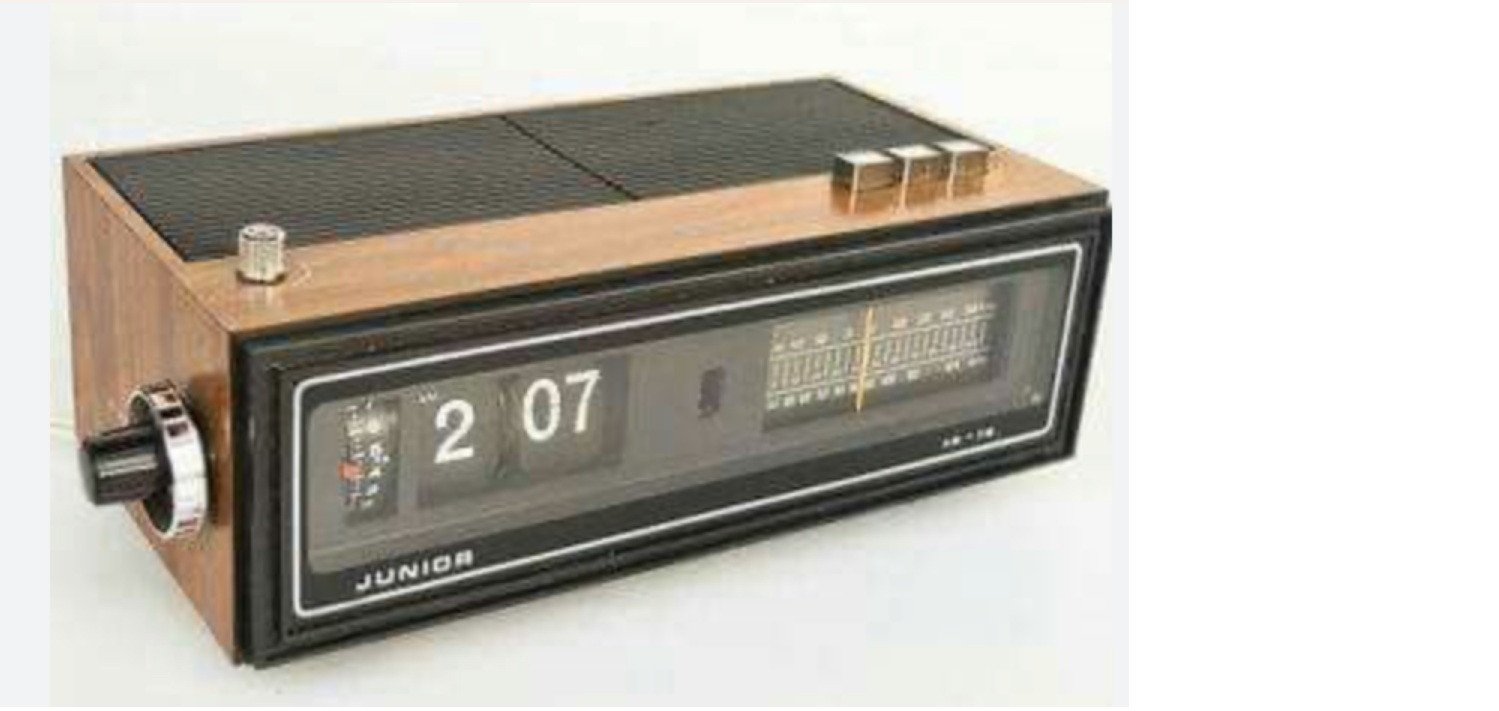
On Sunday mornings, children would wake up early to watch cartoons broadcast on Pakistan Television Corporation. There was anticipation and excitement that built up throughout the week. Limited options did not feel restrictive. They felt special. We did not binge-watch; we cherished. Our eyes would be on the big wall-clock rapidly ticking away our TV watching hour, as though with a vengeance.

Nafeesa Begum, 70, smiled at the memory of her wall clock. “Ours hung above the showcase,” she said. “Big and round. Its tick-tock filled the whole house.” During summer power outages, she and her siblings would lie on the cool floor, counting the seconds out of boredom. “At night, when everyone slept, I could still hear it,” she said softly. “It felt like the house was breathing.”
Before wristwatches became a mark of status and wealth, they used to be symbols of responsibility. Receiving a watch on passing exams or on a birthday was a rite of passage. You were now trusted to manage your own time. Watches were repaired when broken, straps replaced, glass polished. They were not easily discarded. They grew old with their owners.
I still wear my mother’s watch — a yellow dial with a brown strap — which was given to her by my grandmother — three generations of memory on a single wrist. In an age of digital screens and smart gadgets, the simple watch reminds me that time is not just to be checked; it is to be valued and preserved.
Handkerchiefs were even more symbolic. Folded neatly and placed in shirt pockets or school bags, they were multi-purpose from wiping noses and hands to being promptly produced to wipe a distressed lady’s tears.
A neatly ironed, scented handkerchief peeking from a pocket was not just cloth. It told the world that you were raised well. Mothers would remind their sons before school, “Rumaal rakh liya?” [Did you take your handkerchief?] Gentleman always had a pen, a hanky and a small diary, prerequisites for being presentable. Poets romanticised about lost hankies and hearts.
“Sets of neatly ironed and lightly embroidered handkerchiefs were given to grooms at weddings,” recalls Nafeesa Begum. “My mother started collecting those years before my wedding. It was not about showing off,” she added softly. “It was about care.”
Childhood in those days was spent outdoors. Evenings belonged to the streets. Children asked, “Who is coming out to play?” Cricket with taped tennis balls, hopscotch drawn with chalk, marbles treasured like trophies, and kite-flying battles on rooftops.
Empress, baraf pani, pakrram-pakrrai, skipping rope, kho-kho, oonch-neech, ludo, and carom — these games needed no screens or batteries. Just friends, imagination, and open skies. Childhood was simple, noisy, and beautifully alive.
When there was nothing to do, imagination stepped forward. You created games from nothing. You invented stories. You lay on rooftops counting stars. You wrote in diaries. You let your mind wander.
There are countless things from our past that have quietly disappeared, replaced by faster, sleeker, and more convenient alternatives.
The loud alarm clocks that woke us with shrill rings are now replaced by smartphones that buzz or play gentle tunes. Music lovers once cherished VCRs, CDs, cassette tapes, Sony Walkmans, and even laser discs, carefully recording mixtapes and collecting songs; today, streaming apps have taken over, offering instant access to millions of songs at the touch of a finger.
Muhammed Tariq, a retired government officer, chuckles as he recalls, “There was usually just one landline in the neighbourhood. If you wanted to talk to a friend, you had to wait your turn. Sometimes the line was busy for hours, and you couldn’t do anything but hope your friend’s parents didn’t pick up first or else you’d be lectured about your homework instead of chatting!”
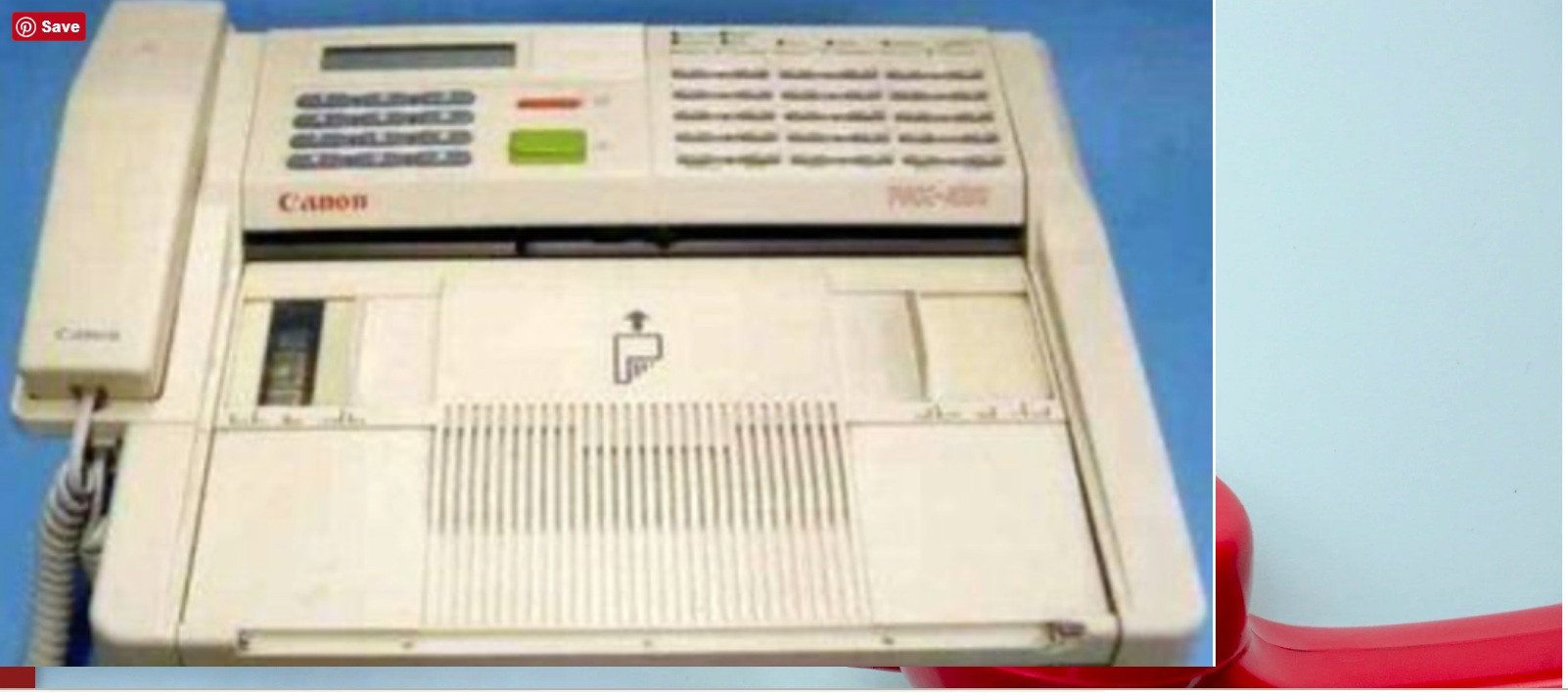
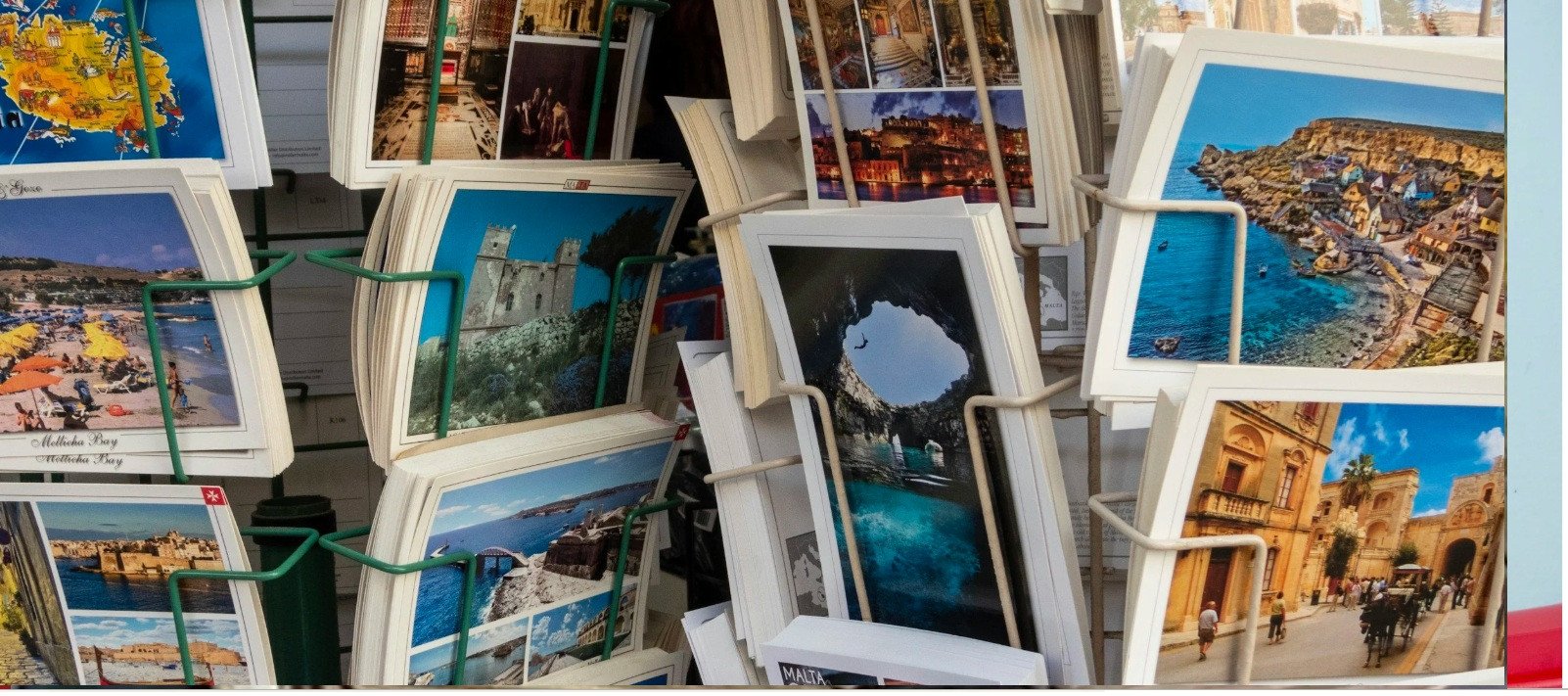
Fax machines, once essential for sending documents, now seem like relics next to emails, and postcards and handwritten letters — once eagerly sent and received — have given way to instant messaging.
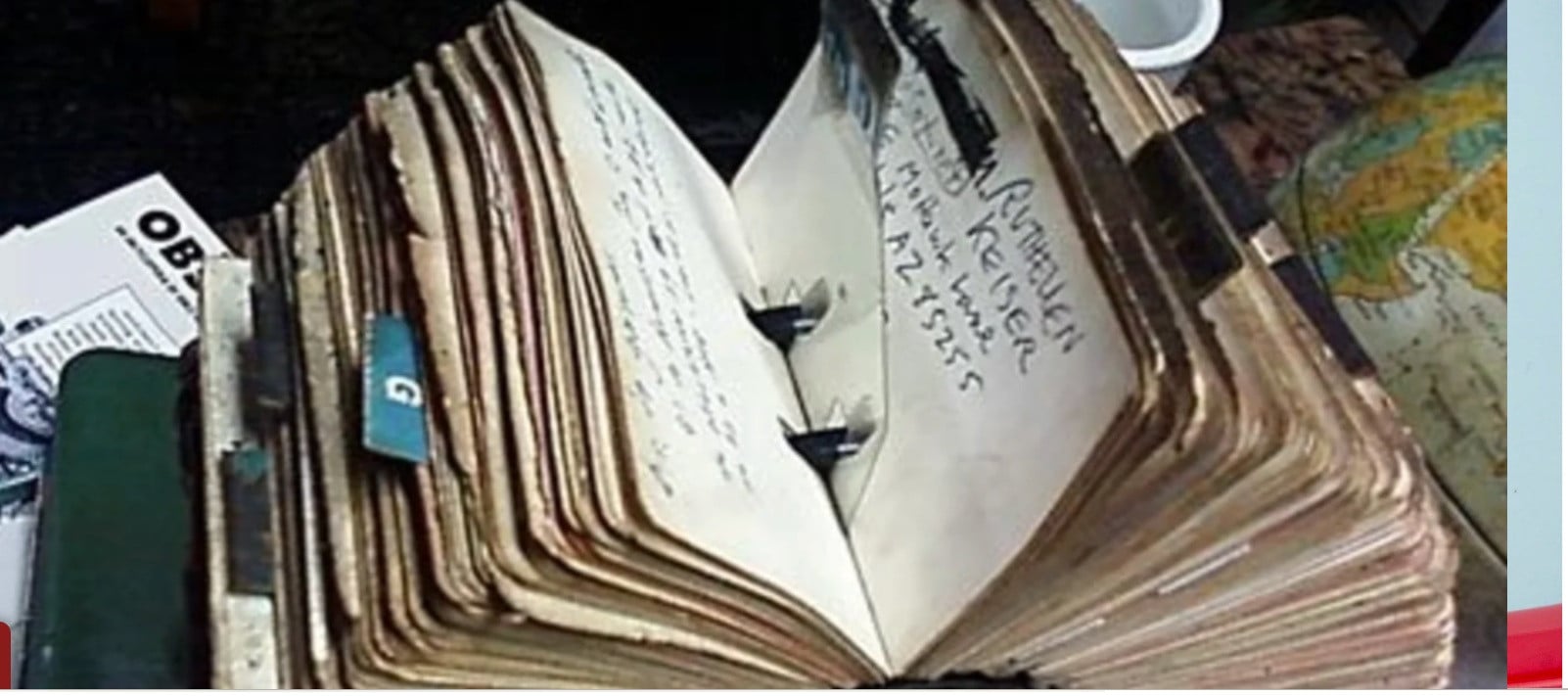
Photo albums that we used to flip through with care were treasures of memory. “I remember lying on the bed, turning each page slowly, making sure not to tear a photo,” says Sajida, smiling as she remembered her husband’s photo albums. “Some pictures were taken in front of flowerbeds, others showed us standing proudly reading a magazine or posing beside the glass showcase housing trinkets and objets d’arts. Every photo in the albums told a story, and we treated them like precious books about our lives.”
Mail boxes and cheques have been replaced by digital spaces and online banking. Cursive handwriting, once taught in schools and celebrated for its elegance, is fading from memory — can it ever make a comeback? Is graphology not a study anymore?
Remote controls, public telephone booths, typewriters, and desktop computers have been replaced by smarter, faster, and more modern alternatives. Each item may seem small, but together they mark the subtle, yet profound, shift in our lifestyles, reminding us how much the world we once knew has changed.
Furthermore, school life required effort that shaped patience. Teachers wrote with chalk on blackboards. Students copied notes carefully into notebooks. If you missed a class, you borrowed a friend’s notebook and rewrote the lesson by hand. Research meant visiting libraries, flipping through encyclopedias, and searching through old newspapers. It demanded pursuit.
The generation born in the 1980s and 1990s migrated into digital life. We remember maps before GPS, letters before instant messaging, film rolls before cloud storage. We built early social media profiles and adapted repeatedly as platforms evolved. We learned to navigate both silence and constant connectivity.
Technology has brought undeniable benefits — convenience, opportunity, global awareness. The modern world does not switch off. Notifications follow us into bed. News breaks every minute. Social media ensures we never miss what everyone else is doing and constantly reminds us of what we are not doing.
Nafeesa Begum and Muhammad Tariq don’t criticise the present; they simply remember the past with warmth. They spoke of slower days, fewer possessions, and stronger connections. “We had less,” Nafeesa says softly, “but we valued it more.”

They appreciate today’s comfort and speed, yet they worry about how quickly things are used and thrown away. “In our time, items were repaired, reused, and preserved — not for environmental slogans, but as a way of life.”
A retired schoolteacher, Shaista Ahmed remembers evenings on rooftops, cups of tea shared with neighbours. “Neighbourhoods once felt like extended families,” she says. “Doors remained open and children moved freely between homes, sugar was borrowed without hesitation.”
Do we carry two worlds inside us? One built on analog warmth and physical presence, and the other on digital speed and permanent visibility. We understand and benefit from both, yet sometimes we yearn for a balance. We do not reject technology, nor ambition. We want speed without anxiety, connectivity without loneliness, and progress without losing presence.
We know how to live without Wi-Fi because we once did. We know how to survive silence. We know how to wait.
“Waiting once shaped character,” my mother says. “Waiting for Eid, for exam results printed in newspapers, for letters, for someone to call after 9 pm when call rates were cheaper, and for photographs to develop.”
The world we grew up in wasn’t perfect, but its simplicity was real. We lived our moments without comparing, curating, or documenting them for others.
“Our generation that carried two worlds is at a cultural crossroads,” says Saira Khanum. “We are raising children in a world radically different from the one that raised us. We must decide what to pass forward. Do we pass forward constant distraction or do we teach the value of uninterrupted conversation? Do we let time dissolve into notifications? Or do we hang a wall clock and let it tick to fill a quiet room?”
Perhaps our responsibility is not to romanticise the past blindly, nor reject progress, but to protect the importance of patience, courtesy, physical presence, shared laughter, small rituals of care and how to carry both forward.
All facts and information are the sole responsibility of the writer
Rabia Khan covers social issues, literature, and cultural values of Pakistan. She can be reached at rabiayousufsai26@gmail.com