Woman dies after alleging sexual assault by husband
Updated 5 hours ago

Seminar offers in-depth exploration of dynamic exchanges shaping modern Indian, Pakistani artistic identities in 1920s
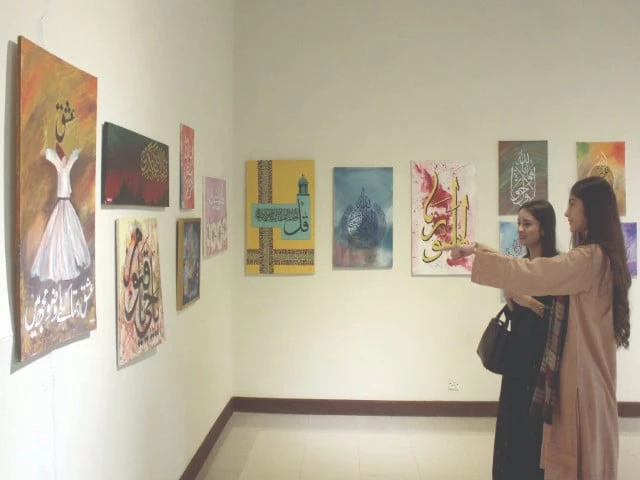
Art historian Marcella Sirhandi analysed the works and contexts of Abdur Rahman Chughtai in Lahore, members of the Tagore family in Calcutta and Angelo da Fonseca in Trinidad in a seminar hosted by the Punjab University Postgraduate Research Centre of Creative Arts on Monday. The seminar offered an in-depth exploration of the dynamic exchanges shaping modern Indian and Pakistani artistic identities in the 1920s.
Dr Sirhandi, a distinguished scholar specialising in South Asian art history, is Professor Emeritus at Oklahoma State University in the United States.
The session was attended by prominent academicians and researchers.
Dr Sirhandi presented historical research examining cultural intersections in art, with emphasis on innovation, political conflict, Partition-era transitions and royal patronage. She analysed the works and contexts of Chughtai in Lahore, members of the Tagore family in Calcutta and Angelo da Fonseca Trindad, highlighting the dynamic exchanges shaping modern Indian and Pakistani artistic identities in the 1920s.
Her engagement with modern Indian and Pakistani painters sparked a thought-provoking discussion.




This material may not be published, broadcast, rewritten, redistributed or derived from. Unless otherwise stated, all content is copyrighted © 2026 The Express Tribune.



COMMENTS
Comments are moderated and generally will be posted if they are on-topic and not abusive.
For more information, please see our Comments FAQ