Pakistan LNG seeks three spot cargoes in first tender since December 2023
Updated 45 minutes ago

Excessive, unnecessary intake of antibiotics and supplements has raised concerns about possible side-effects
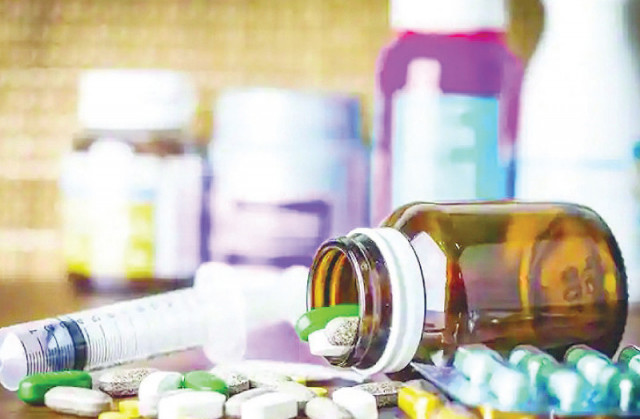
Amid persistent inflation, the sale and use of non-recommended medicines have risen sharply across Sindh. Experts warn that unnecessary prescriptions, self-medication and unchecked price hikes are placing both public health and household finances under severe strain.
Reportedly, many doctors routinely include multivitamins, and minerals in prescriptions without clinical need. Instead of benefiting patients, such medicines can weaken immunity and cause harm if taken without proper clinical tests. Patients, trusting doctors, often purchase the unnecessarily prescribed medicines without question.
At the same time, self-medication has become widespread among the local population. Several medicines including antibiotics, anti-allergy drugs, painkillers and even sedatives are openly sold at medical stores without prescriptions, despite the Drug Act 1978 requiring a doctor's prescription.
Unlike global practice, where doctor's diagnosis and pharmacist's assistance guide drug use, Pakistan lacks coordinated regulation with no effective mechanism in place to discourage the use or sale of non-essential medicines. This unchecked trend has contributed to a sharp rise in medicine sales in 2025 compared to the previous year.
According to Pakistan Chemists and Drug Association Chairman, Abdul Samad Budhani, the country's pharmaceutical market is now worth around $4 billion, with an overall growth of 1.7 per cent, alongside a noticeable increase in non-essential medicine sales. Rising prices, unemployment and economic hardship have made it increasingly difficult for poor and middle-class patients to afford even life-saving medicines.
Meanwhile, medicine prices have climbed steeply. Compared to 2023, prices rose by 50 per cent in 2024 and a further 30 to 35 per cent in 2025, amounting to a 70 to 75 per cent increase over two years. Antibiotics, psychiatric medicines, diabetes drugs and cardiovascular medicines are among the most demanded categories.
Muhammad Atif Hanif Baloch, President of the Wholesale Chemist Council of Pakistan, confirmed that the prices of life-saving medicines had been increasing quietly for the past two years, with some drugs becoming more expensive every two months.
"There is no visible strategy to control prices, leaving poor patients unable to afford essential medicines. Prices of chemotherapy injections, insulin, diabetes tablets and medicines to treat heat ailments have reportedly doubled, while winter-related illnesses have further increased the demand for various medicines," said Baloch.
Pakistan Pharmacists Association (Sindh) President Dr Adnan Rizvi revealed that the excessive prescription of multivitamins had also led to the influx of counterfeit products, which posed serious risks to public health. "Furthermore, self-medication has accelerated antibiotic resistance. The government must raise awareness and strengthen surveillance of non-essential medicines," said Dr Rizvi.
"Pakistan imported pharmaceutical raw materials worth $305 million from India in 2024, while official figures for 2025 are still awaited. Of the raw materials used by the country's 1,500 pharmaceutical companies, around 55 to 60 per cent come from India and 40 to 45 per cent from China," informed Budhani.
Another expert, Dr Ikram Sultan regretted that despite seven decades, Pakistan had failed to develop local production of pharmaceutical raw materials and has yet to establish its own pharmacopoeia. "Dependence on imported raw materials continues to drain foreign exchange and leaves medicine prices vulnerable to external shocks," noted Dr Sultan.
Distinguished National Professor of Psychiatry, Dr Muhammad Iqbal Afridi explained that psychiatric medicines accounted for a significant share of drug sales, as an estimated 34 per cent of the population suffered from mental health conditions. "Between 20 and 25 million Pakistanis live with mental disorders and rely on regular medication to maintain normal lives," said Dr Afridi.
Dr Afridi stressed that the Drug Regulatory Authority of Pakistan must play an effective role in regulating medicine pricing, prescription practices and overall drug safety to protect patients and ensure access to essential treatment.






This material may not be published, broadcast, rewritten, redistributed or derived from. Unless otherwise stated, all content is copyrighted © 2026 The Express Tribune.


COMMENTS
Comments are moderated and generally will be posted if they are on-topic and not abusive.
For more information, please see our Comments FAQ