Women's quota or rigging?
Updated 13 hours ago

.
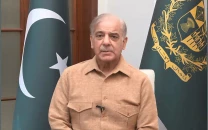
After a prolonged phase of stabilisation and a hesitant recovery, the government is finally signalling a shift towards growth — and, crucially, towards exports as its chosen engine. Prime Minister Shehbaz Sharif's announcement of wide-ranging relief for industry and exporters marks a notable departure from the caution that has defined economic management over the past two years. Reduced electricity tariffs, lower wheeling charges, a sharp cut in export refinance rates and symbolic facilitation measures such as blue passports for leading exporters all point to a state that is, at least rhetorically, ready to back export-led growth.
This shift is overdue. Stabilisation may have pulled Pakistan back from the brink but it has, obviously, come at the cost of economic growth. As the prime minister himself acknowledged, stabilisation without growth merely freezes structural weaknesses in place. However, optimism must be tempered by realism. Two structural impediments threaten to blunt the impact of these incentives: circular debt and inflationary pressures embedded in the system. Both sit at the heart of Pakistan's economic dysfunction and, if left unaddressed, will continue to undermine any serious attempt at export-driven growth. Rising energy costs feed inflation; inflation, in turn, necessitates tighter fiscal and monetary measures that dampen investment and exports. This undercuts the very purpose of concessional export refinance schemes, particularly for small and medium exporters who lack access to cheaper external financing.
In short, the government appears to have grasped the direction of movement. The challenge now is consistency. Export incentives cannot be seasonal, nor can growth be built on one-off relief package. Unless circular debt is decisively tackled and inflation structurally contained, the promised pivot to export-led growth risks becoming another well-intentioned chapter in Pakistan's long economic deja vu.




This material may not be published, broadcast, rewritten, redistributed or derived from. Unless otherwise stated, all content is copyrighted © 2026 The Express Tribune.





COMMENTS
Comments are moderated and generally will be posted if they are on-topic and not abusive.
For more information, please see our Comments FAQ